
11-year-old boy crashes parents' pickup into monks, killing 8 and injuring 14
Police say the crash in Mukdahan province killed eight monks and hospitalized 14, raising urgent safety questions.
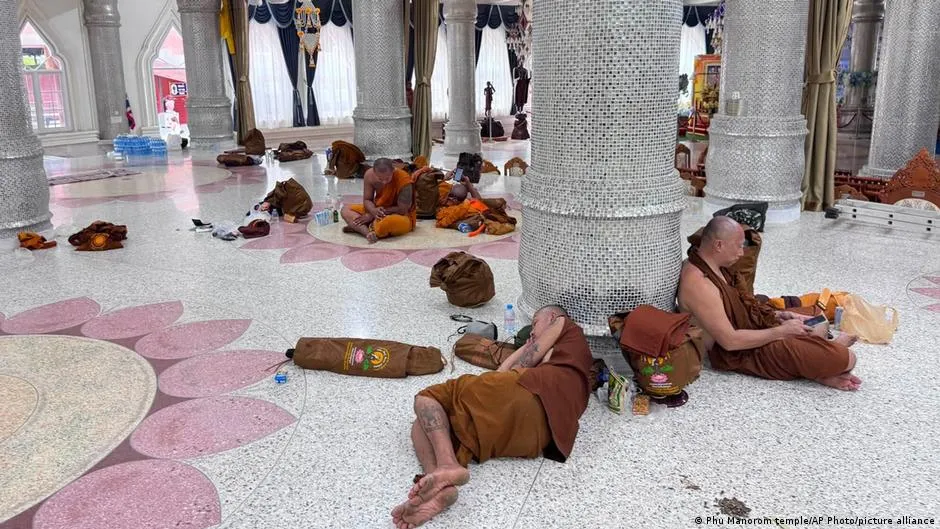
An 11-year-old boy crashed a pickup truck belonging to his parents into a group of monks on a pilgrimage, police said. The incident in Mukdahan province killed eight monks and hospitalized 14, forcing decision-makers to re-check how vehicle access and public-safety risks are managed.
An 11-year-old boy crashed a pickup truck belonging to his parents into a group of monks on a pilgrimage, police said. The result was catastrophic: eight monks were killed, and 14 more were hospitalized in Mukdahan province.
For executives and operators, that mix of a young driver, a family-owned vehicle, and a public gathering is the part that sticks. It is not “just” a tragedy confined to one location. It is a real-time stress test for how communities prevent high-energy, high-consequence harm when the wrong person gets access to the wrong vehicle at the wrong moment.
Thailand, like many countries in the region, sees frequent religious processions and pilgrimages that bring together crowds, pedestrians, and vehicles traveling near one another. In those settings, the safety equation becomes unusually sensitive to everyday factors that normally get overlooked: who has the keys, how vehicles are secured when not in use, and what local enforcement can realistically do during major community events. The source does not spell out the circumstances around vehicle access or driving conditions, but it does make the crucial baseline clear: the truck belonged to the parents of the 11-year-old.
That detail matters because it reframes the event from “driver error alone” to “control systems at home and in public.” In any organization, boards talk about risk controls, not just outcomes. Here, the outcome is measured in fatalities and hospitalizations, with eight killed and 14 hospitalized. The risk control question is whether key management, vehicle supervision, and access restrictions were adequate for a vehicle that can move heavy mass quickly enough to turn a public moment into a disaster.
There is also a governance angle for decision-makers, even those not directly involved in policing or road safety. After serious incidents, regulators and enforcement agencies typically face pressure to tighten rules, improve compliance, and allocate more resources. Even when the immediate facts are tragic but narrow, the second-order response tends to broaden into policy and operational changes. That can include more targeted checks around vehicle access, stricter norms for family vehicle custody, and renewed emphasis on public safety planning near gatherings.
For corporate leaders, the parallel is straightforward: when incidents happen, the compliance story shifts from “we have rules” to “we can prove the rules worked in practice.” Vehicle access and crowd-adjacent safety are not the typical lane for a fintech CEO or a consumer brand. But for companies that operate fleets, manage logistics, sponsor community-facing events, or have any role in mobility infrastructure, the lesson transfers cleanly: risk is not only what you design, it is what people actually do under real conditions.
The “where” is also important. The incident occurred in Mukdahan province. Regional context matters because road conditions, policing capacity, and event density vary by area. Decision-makers often assume one national rule equals one national outcome. Incidents like this remind everyone that implementation is local. That can affect everything from how quickly emergency response teams reach crash sites to how well hospitals handle surges when a single road incident produces both deaths and multiple injuries.
Finally, the stakes extend beyond the immediate medical figures. Eight deaths and 14 hospitalized is the kind of event that changes how communities talk about safety for years. It also changes how boards and leaders think about the reputational and legal risk profile of anything tied to transport, public gatherings, and the movement of people. If you are responsible for safety governance, fleet policy, event operations, or risk oversight, this is a high-signal reminder: public moments require private discipline, and private discipline includes preventing the wrong access to the wrong machine.
This story's Key Insights and Take-aways are locked.
Create a free account to unlock Executive Actions for one credit.
Register to UnlockAlways free for Executives Club members. Join the Club
More in Politics
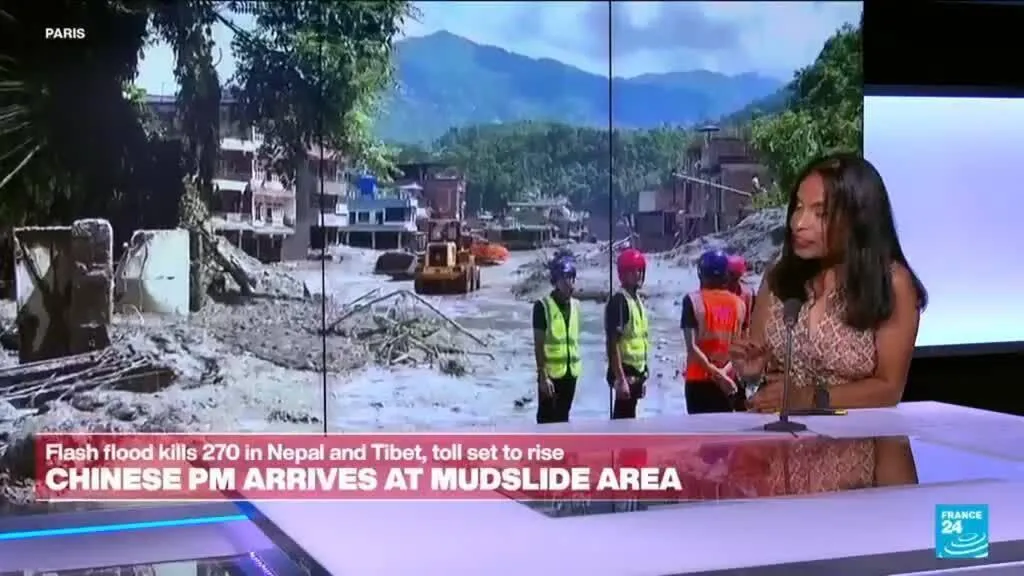
Glacial collapse, not rain, killed 180 in Nepal's Himalayan flood
The Himalaya's extreme geography hid the true cause of Nepal's catastrophic flood, a glacial collapse that turned a geological battleground into a mass-casualty zone.
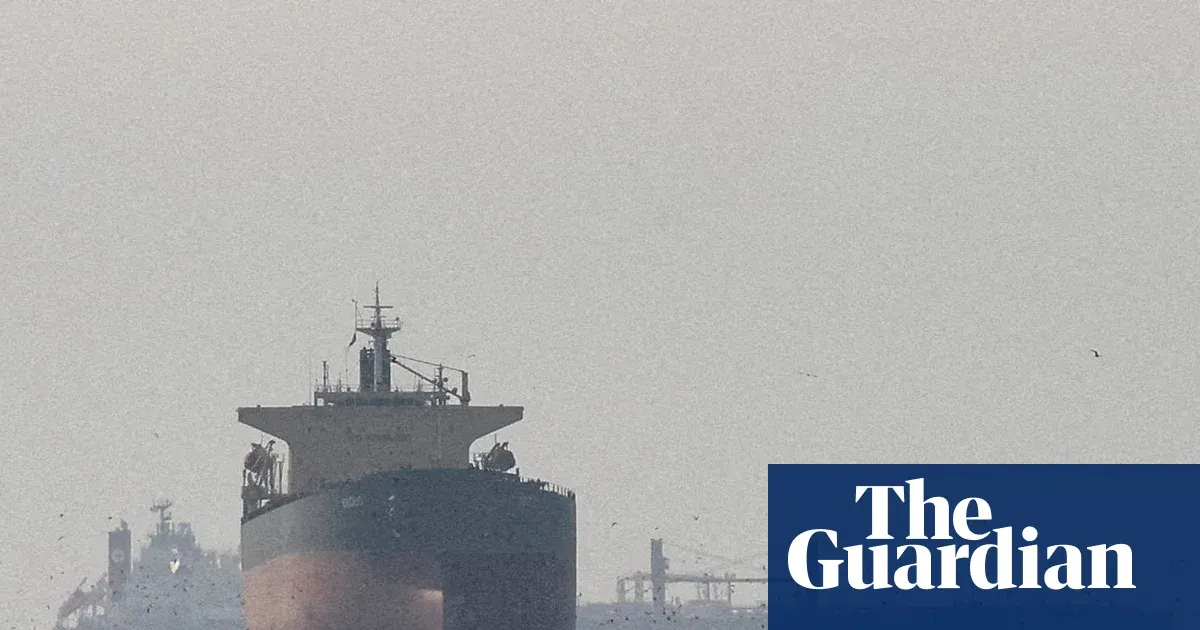
Iran’s Esmail Baghaei says Oman talks start shipping via Hormuz, not US talks yet
Temporary route plans with Oman aim to restart commerce while Tehran says Washington dialogue is not on the table.

Standards watchdog opens probe into Reform UK deputy leader Richard Tice over interests
The parliamentary standards commissioner says it began an investigation on 28 July into a possible undeclared interest.