

2026 Honda Prelude turns Honda into a hybrid tech lab, not a VTEC throwback
Enthusiasts may miss the Prelude, but its hybrid-focused engineering lineage says the real story is smarter propulsion.
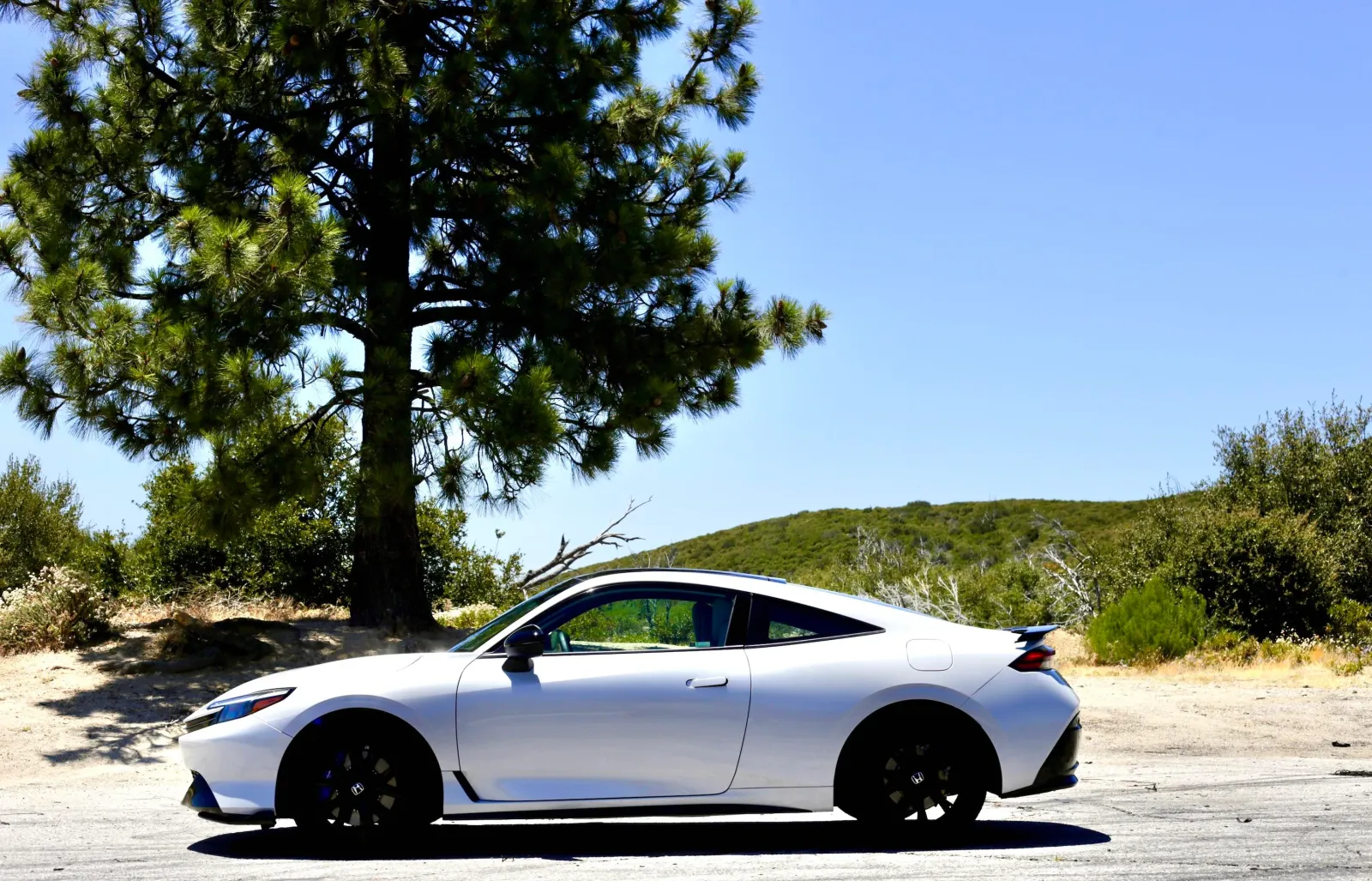
The 2026 Honda Prelude is positioned by The Verge as a hybrid-technology marvel, even though it is not the first Honda name enthusiasts usually list. Its engineering approach reflects a long pattern of Honda using the Prelude as a platform for advanced systems, from fuel injection origins to steering innovations.
If you only think of Honda enthusiast cars as revvy VTEC machines, the 2026 Honda Prelude is here to correct that assumption. The Verge frames it as a marvel of hybrid technology, but the twist is that it is also a technological study disguised as an enthusiast-friendly grand touring coupe. In other words: the Prelude still aims to deliver driving fun, just with clever engineering doing the heavy lifting instead of focusing purely on the kind of headline engine tech that usually gets the spotlight.
That positioning matters because it changes how you interpret the Prelude historically. The source points out that the Prelude has repeatedly served as a proving ground for systems that later become “normal” in everyday cars. Its second-generation fuel injection was derived from F1, its third generation got four-wheel steering way back in the late '80s, and the fourth generation was the first everyday Honda to inherit the NSX's VTEC on both intake and exhaust valves. Those are not random trivia facts. They describe a deliberate pattern: Honda uses the Prelude to move technology forward while keeping an enthusiast silhouette and a grand touring intent.
Zoom out to why this pattern is so strategically relevant right now. The modern auto world is locked in a complicated balancing act. Regulators push emissions down, electrification systems add weight and cost, and customers want performance without giving up efficiency or usability. For executives, that means engineering choices are not just product decisions, they are risk management decisions. A “hybrid tech lab” brand narrative, like the one The Verge attributes to the 2026 Prelude, signals that Honda is treating propulsion sophistication as a competitive lever, not a side quest.
The Prelude’s history also highlights something boards and investors typically care about: technology transfer. When the source says the second-generation Prelude’s fuel injection was derived from F1, it is effectively describing a pipeline from elite motorsport to mass-market engineering. When it notes the third-gen four-wheel steering came in the late '80s, it is pointing at early adoption of a feature that helps everyday drivability, not just track theater. And when it says the fourth gen was the first everyday Honda to inherit the NSX’s VTEC on both intake and exhaust valves, it is describing a step-change from niche performance tech into the mainstream. In industry terms, that is how you justify spending on R&D: you build credibility with enthusiasts while designing systems to scale.
There is also an implied lesson for how product categories get attention. Civic Si, Civic Type R, and Acura NSX come up first for their VTEC and chassis dynamics, as the article notes. The Prelude does not get named as often, which creates an information gap in the market. That gap can be strategically useful for Honda if it uses the Prelude to quietly demonstrate leadership in hybrid or control-system sophistication that does not require screaming “look at my engine” to feel important. Executives should notice that narrative contrast, because it affects demand forecasting and marketing efficiency. If buyers think “Prelude equals tech,” Honda can align expectations with what the car actually delivers.
Looking forward, the second-order implication is that a hybrid-technology push is as much about software and system integration as it is about engines. The source emphasizes “integrating clever forms of engineering into a sleek grand touring coupe body.” That phrase is doing work. It suggests the hybrid system is not simply bolted onto a chassis, but integrated to preserve the driving feel a grand touring car needs. For decision-makers, that kind of integration is a resource allocation signal. It typically means cross-functional effort across powertrain calibration, vehicle dynamics, thermal management, packaging, and durability engineering. Those are the hard parts that determine whether a hybrid platform feels seamless or frustrating.
So the strategic stakes for executives and investors in adjacent roles are pretty clear. The Prelude story is a reminder that Honda has historically used the model to surface advanced systems early, then spread them outward. In today’s regulatory environment, where electrification and efficiency are not optional, that approach can reduce the time-to-competence for future programs. It also makes the Prelude a useful bellwether. If Honda continues to treat the Prelude as a “technological study” rather than a mere styling exercise, it likely reflects a broader corporate willingness to fund complex engineering that can scale beyond one badge.
Bottom line: The 2026 Honda Prelude being framed as a marvel of hybrid technology is not just a product headline. It is a continuation of a long, deliberate engineering playbook described by The Verge: F1-derived fuel injection, late '80s four-wheel steering, and NSX-level VTEC going everyday. For executives managing innovation portfolios, that pattern is the real signal. It says Honda is building competence in advanced systems while keeping the fun in the driver’s seat, even if the world is distracted by the cars that shout louder.
This story's Key Insights and Take-aways are locked.
Create a free account to unlock Executive Actions for one credit.
Register to UnlockAlways free for Executives Club members. Join the Club
More in Technology

Google quietly links your phone number to every Android account on your SIM
Adding a SIM now ties your phone number to all Google accounts - and future accounts inherit it. Here's the security and privacy stakes.

Hijacker AI 'Skynet mode' runs 100,000 attack steps against exposed models
Symantec caught a criminal AI agent that borrows other models, steals data, and mines crypto; the only relief is no confirmed victims yet.

Nvidia's AI-financier shift faces its first big test as neoclouds stumble
A rout in neocloud stocks is forcing investors to weigh Nvidia's hidden exposure as both supplier and lender to the AI buildout.