
24 years after Mal Reynolds, Nathan Fillion flips his sci-fi hero role in Lanterns
For studio and audience strategists, Fillion’s Lanterns casting shows how nostalgia gets retooled into a fresh kind of hero.
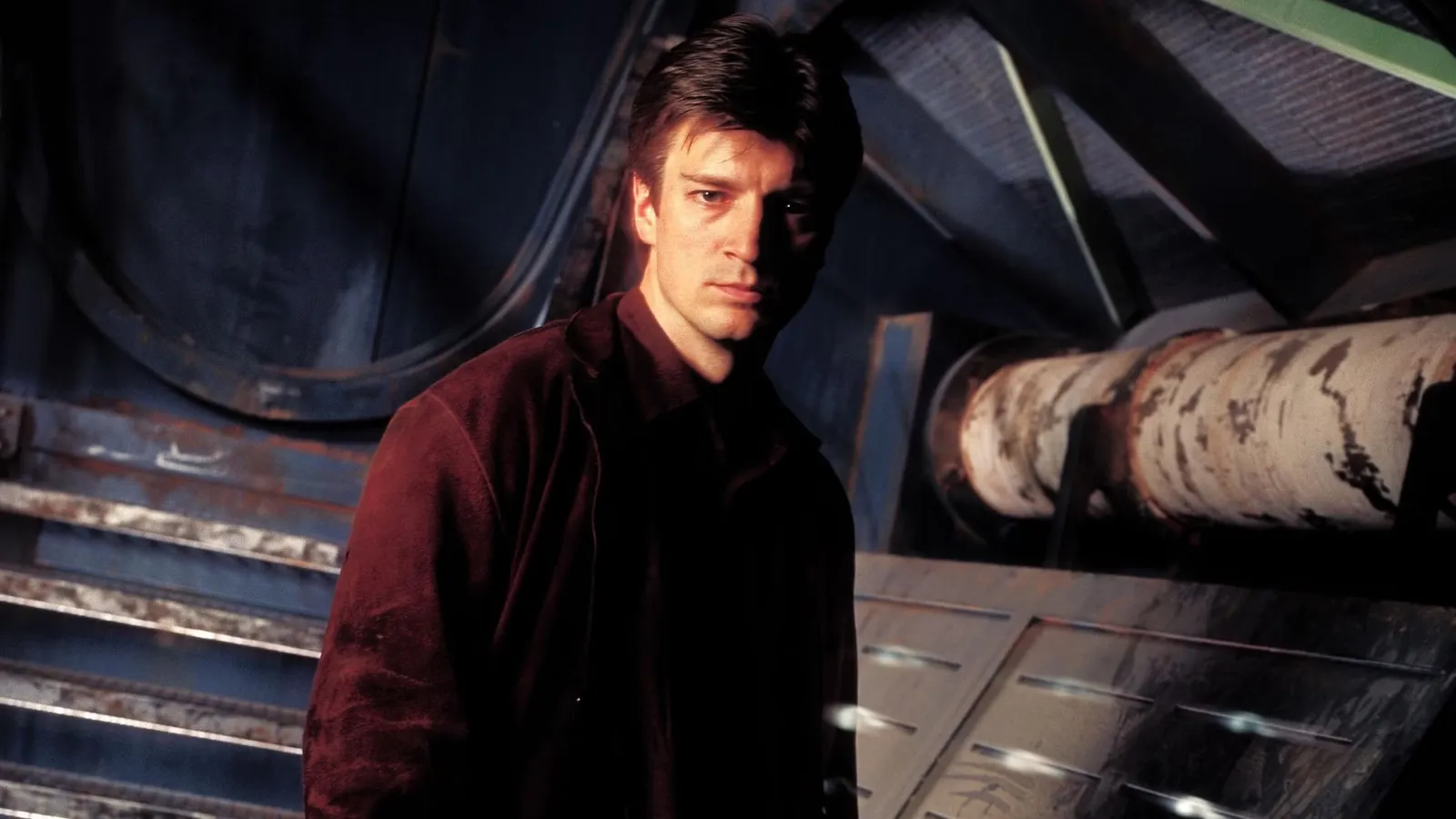
Nathan Fillion, famous for playing Mal Reynolds on Firefly, is now set to star in the sci-fi series Lanterns. The nearly quarter-century gap tests whether cult sci-fi momentum can be converted into something new without losing its core audience.
It has been 24 years since Nathan Fillion starred as Mal Reynolds in Firefly, and he is now set to play an entirely different kind of sci-fi hero in Lanterns. That flip matters more than it sounds, because Firefly was not just a hit. It was a cult classic that helped define a generation of sci-fi fandom.
If your mental model of Fillion is stuck on Mal Reynolds, Lanterns forces a reset. ScreenRant frames it as a character head turn, basically the opposite energy of his Firefly role, years after he rose to fame as the charming, tough, outlaw-leaning captain of the crew. Even for decision-makers who do not watch a lot of sci-fi, the underlying business question is simple: can a recognizable face and a legacy franchise actually widen its appeal by changing the character archetype, not just reusing the logo?
Fillion’s attention has been building again thanks to his role in The Rookie, but the source is clear that this was far from the start of his career. The path matters because studios and streamers increasingly treat talent as a portfolio, not a one-off. A performer like Fillion is valuable because he can anchor different tones. Mal Reynolds was cult-classic sci-fi, while The Rookie is a different flavor of screen hero. Lanterns, as described by ScreenRant, sits in the sci-fi lane, but with a deliberately different kind of protagonist.
To understand why this is strategically interesting, it helps to remember what made Firefly unusual. ScreenRant calls it both cult-classic and now widely considered one of the best sci-fi shows ever made. That is not just fandom praise. In industry terms, a show like that creates a lasting distribution of attention. Even years later, the audience remembers the world, the character dynamics, and the emotional tone. When a studio or network brings back talent associated with that universe, it is not starting from scratch. It is borrowing audience trust.
But borrowing trust cuts both ways. “Opposite of his Firefly role” is a tightrope. If the new character is too close to Mal, the casting novelty collapses. If it is too far, you risk confusing the loyalists who came for the familiar charisma that made Mal Reynolds pop. ScreenRant’s framing suggests the creative gamble is intentional: it is not a straight reboot. It is a recontextualization.
This kind of casting decision also connects to how modern media gets approved, packaged, and sold. Today, platforms and studios operate with more formal acquisition and production constraints than older TV eras. While the source does not mention specific regulators, there is a broader reality that content is evaluated through multiple lenses: audience risk, brand safety, and how a series will perform across demographics and markets. A talent with proven mainstream visibility, like Fillion’s recent role in The Rookie as noted by ScreenRant, can reduce some uncertainty for commissioners and marketers. It gives them a safer promotional bridge from “I know him” to “I will try this new sci-fi story.”
Second-order, this affects board dynamics and capital allocation at the decision level. Executives do not just fund a show. They fund a signal about what the company believes will work in the next cycle. If Lanterns leans into the idea that a legacy sci-fi actor can play against type, it signals a thesis: nostalgia can be a starting ingredient, not the entire recipe. That may influence what other teams do with similar properties, especially in genres where fandom loyalty is strong but budgets are still tightly managed.
There is also a cultural effect. Sci-fi heroes often share archetypal traits, but fans tend to notice when writers and actors deliberately subvert the stereotype. ScreenRant’s emphasis on the character being the opposite of Mal suggests Lanterns wants to keep sci-fi’s emotional promise while changing the moral or personality center. For peers watching this, the stake is not whether Nathan Fillion can act. It is whether the market will reward character reinvention that honors the past without letting it lock the performer into one shadow.
In other words: this is not just a casting note. It is a real-time stress test of how cult-classic legacy travels across decades. And if it works, it gives studios a playbook for converting long-running audience affection into new stories, even when the character twist is the whole point.
This story's Key Insights and Take-aways are locked.
Create a free account to unlock Executive Actions for one credit.
Register to UnlockAlways free for Executives Club members. Join the Club
More in Entertainment

Ali G's 'stooge' says he was in on joke, outplayed Sacha Baron Cohen
A 54-year-old aspiring actor says he recognized Sacha Baron Cohen mid-shoot, kept his MAGA act up, and let the film-makers think they had fooled him.

Entertainer Russell Brand denies 7 sex charges amid accuser's 'couldn't breathe' claim
The alleged victim's account sharpens the reputational and legal stakes for Brand, his platforms, and any business tied to a public figure under criminal scrutiny.

Russell Brand's accuser 'bewildered and confused' as he denies 7 sex charges
The criminal case against the comedian is a live test of how media companies manage talent risk when serious allegations go public.