

A video-game model says hyper-communism wins polling by ~43% before collapse
PC Gamer’s sim in Democracy 4 shows a radical agenda boosting approval, even as credit, inflation, and security deteriorate.
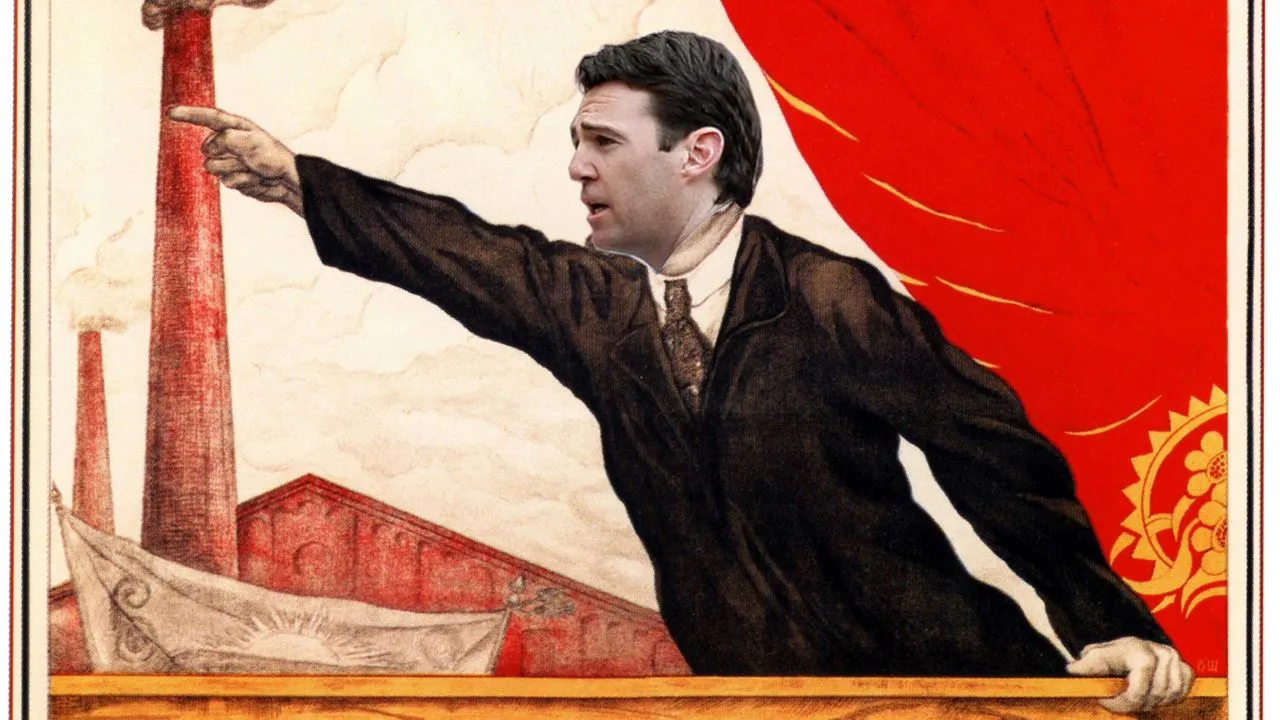
PC Gamer describes a UK political simulation in Democracy 4 run around a Labour prime minister switch to Andy Burnham. The consequence for decision-makers: extreme policy changes can spike short-term legitimacy while making financial and security risks balloon.
A PC Gamer author built a full UK politics replica in Democracy 4, pushed it into hyper-communism, and watched approval stabilise and then spike to roughly 43% before the system breaks. The trick is that the simulation does not treat economics and public sentiment like separate departments. It makes them chase each other, and the chase turns into a feedback loop.
The model starts with a specific political shift: “former Manchester mayor Andy Burnham” as an “imminent” UK prime minister, following Labour’s resignation of the incumbent (the article avoids naming the Labour PM). To make the sim feel like the UK, the author feeds in Per YouGov polling numbers: the British public considers itself +15% liberal-leaning and +3% socialist-leaning. Then comes the first big “simulation realism” problem: in the author’s setup, Burnham’s party ends up with 10 million members and climbing, which the author says is so unrealistic they would flee the country if it happened in real life. But after that, the rest of the replica behaves like a plausible political weather system, with grey skies, dour voters, high spending, low income, and an “incomplete” bourgeois revolution.
From there, the agenda gets brutally direct, and it is also the point executives should care about: the author treats policy like an input that hits multiple constraint systems at once. The first move is fiscal, aiming to “bring that debt down” by spending less than the simulator calls spending, achieved by a “merciless Red Terror” on the City of London and the military-industrial complex. Cabinet selection is also framed as incentives. Democracy 4 “tasks you with balancing ministers’ loyalty and their capability,” but the author “completely disregarded this” and fills posts with “the most obedient stooges.” In corporate terms, it is the board putting compliance over execution, right up until execution becomes the thing you need most.
The macro reaction arrives fast in the form of credit ratings and international incidents. The UK nuclear arsenal is abolished, the military is reduced to “five of England’s reddest dads,” corporation tax and capital gains are increased, and the wealthy are depicted as getting drained. The credit rating “tumbled down a cliff face,” sliding from AAA to AA to BB to CCC to C. The ripple effects are not just spreadsheet drama. Rivals exploit the “newly hamstrung defences,” with Argentina “plant[ing] a flag on the Falklands,” Russian ships “drift[ing] alarmingly close to the coast,” and “pirates” manifesting. The author shrugs at the spectacle, but the simulation is clearly saying: when you break financial credibility, operational credibility does not stand still.
Meanwhile, the public mood refuses to follow the devastation story the way you might expect. The author notes approval polling begins “unenviable,” and even though some moves reshape finances “along more egalitarian lines,” they “only made things worse.” Expenditure still outpaces income by about £15 billion. So the strategy pivots, and it pivots hard: instead of dialing socialism back, the author “consulted my advisers” (a YouTube clip is referenced, but no real-world political advice is attributed beyond that comedic reference) and chooses to become “even more radically communist” than before.
That second-order pivot shows up as policy stacking rather than targeted reforms. The author implements city farms, described as “new kolkhozes to feed a hungry people,” alongside bans and subsidies: cryptocurrency is banned, healthy food is subsidised, university grants are offered to anyone interested in “buying a book,” and employers using AI are taxed. Inflation “spiralled” and expenditure “climbed,” but polling “stabilised.” Then two catalysts flip the legitimacy curve. First, “I legislated the right to die,” which Britain “loved,” and the author says polling “shot through the roof,” entering “the general vicinity of 43% or so.” Second, the credit rating and inflation situation deteriorate enough that parliament declares a “state of emergency,” which in the sim paradoxically increases political power and capital for the person causing the collapse. In that emergency, the author escalates state control: a state postal service with the slider maxed, state airlines similarly treated, and the NHS getting “sufficient annual income to cure death.” Then comes “giving everyone free money,” which the author labels as popular. In short, the model argues that when you lose economic constraints, you can try to buy political stability with expanded public provision, but the legitimacy payoff arrives unevenly and late.
Finally, the simulation’s election-war ending snaps the whole story into one last incentive question. The UK becomes “cut in two”: socialists, trade unionists, and the poor love the leader, while religious conservatives and capitalists become so outraged they create armed paramilitaries called “The Angels of Heavenly Justice.” On the campaign trail, the author frames mobilization as contempt, not coalition-building: no outreach, no outreach, no olive branch, and speeches engineered “to incit[e]” followers while focusing on slandering opponents. The article ends with “Somehow, it work…” signaling that the author expects electoral momentum to outpace the chaos.
For executives and board members, the strategic stake is not whether “hyper-communism” is real. The stake is the mechanism the simulation exaggerates: you can gain short-term approval with visible, high-impact policy moves, even while credit, inflation, and security risk worsen. But you are also compressing time. As constraints tighten, any governance choice that prioritises loyalty over capability, or optics over tradeoffs, amplifies the volatility. In a world where stakeholder trust can turn quickly, this sim is a reminder that the approval curve and the risk curve do not move in lockstep. They can diverge, then crash together.
This story's Key Insights and Take-aways are locked.
Create a free account to unlock Executive Actions for one credit.
Register to UnlockAlways free for Executives Club members. Join the Club
More in Politics
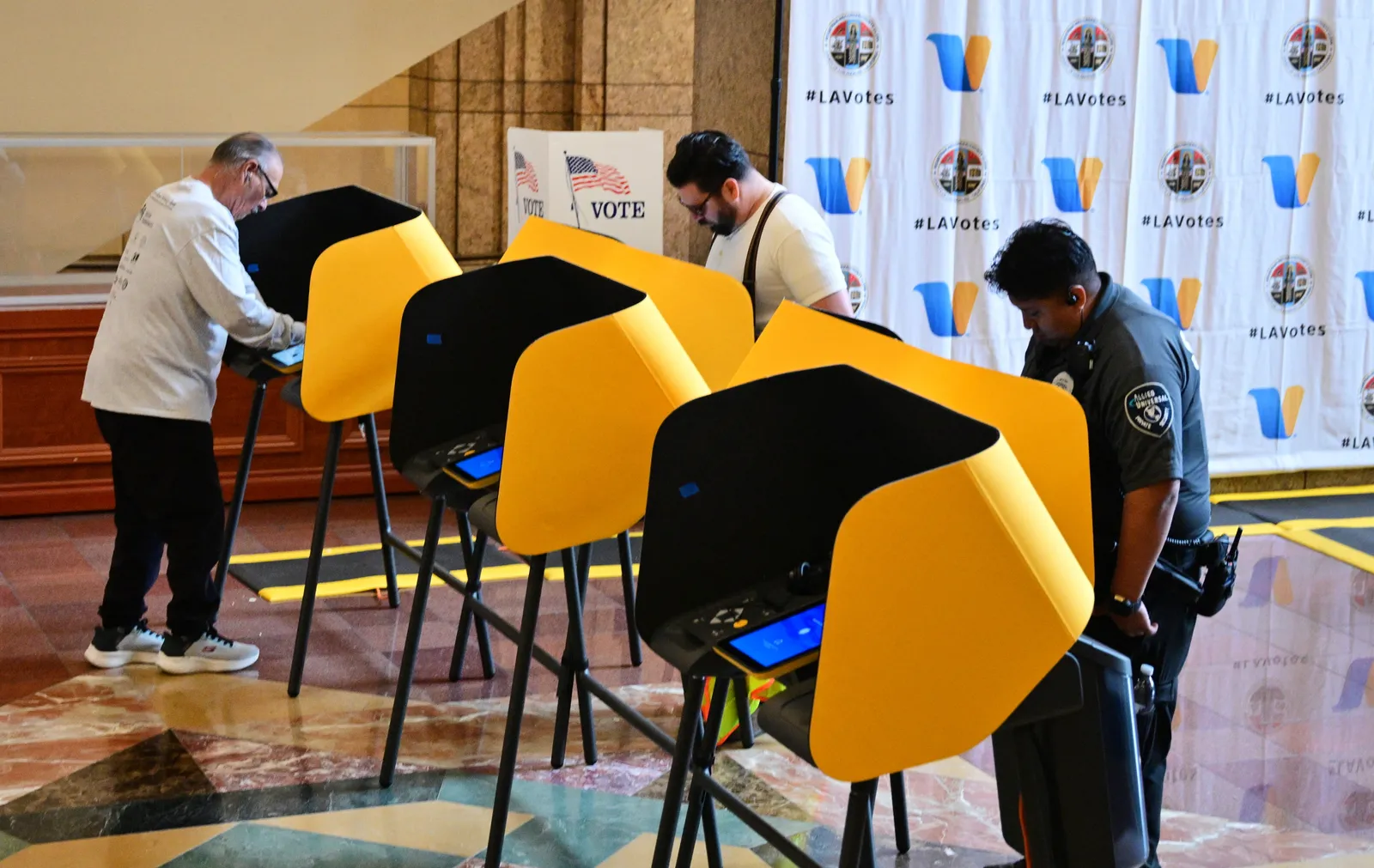
LA County: DOJ's 20,000 'noncitizen' voter list is 'unreliable,' includes U.S.-born
Preliminary review by Los Angeles County election officials finds errors in the federal list, raising the stakes for voter roll integrity ahead of November.
Trump's $1.5B Pentagon chip investment lands in North Carolina
A $1.5 billion defense infusion for North Carolina chipmaking signals a new era of Pentagon-backed reshoring - here's what it means for the industry.

Nigeria confirms first Ebola case in Abuja, a woman just off a Uganda flight
Health Minister Muhammad Ali Pate says the patient flew in from Uganda, putting Africa's latest outbreak on Nigeria's doorstep.