
Adam Shankman turns Airplane!-style chaos into Stop! That! Train!, with Drag Race stars leading
The filmmaker and Jujubee and Ginger Minj explain the logistics and creative bets behind drag comedy’s biggest summer swing.
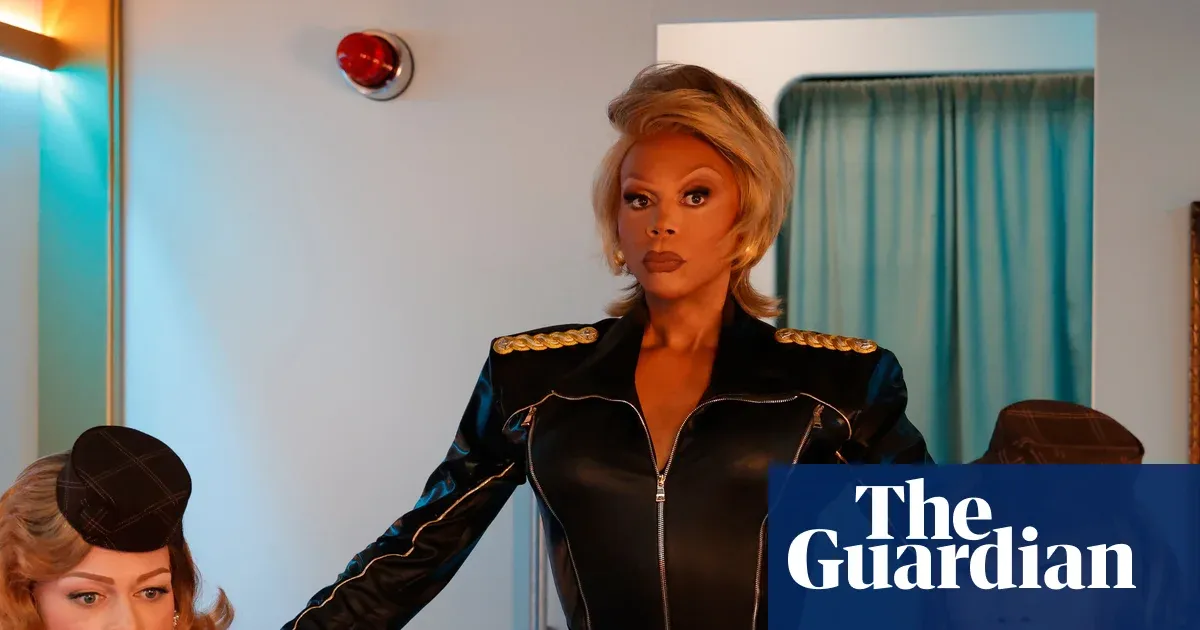
Director Adam Shankman and drag queen stars Jujubee and Ginger Minj are fronting Stop! That! Train!, a disaster-comedy that aims for an Airplane!-style parody twist. For decision-makers, it is a case study in how mainstream press cycles and niche fanbases can be engineered into one mainstream moment.
Director Adam Shankman’s Stop! That! Train! is selling a specific kind of comedy: a madcap parody twist built in the spirit of Airplane!-style chaos, but powered by drag stars who know exactly who they’re bringing with them. In a New York office hallway at Bleecker Street Media, Laotian American drag queen Jujubee reads a tag-line off a framed poster for Love Me, then pauses long enough to be fully “on” for the new film’s press day. She is doing this in structured blazer and fishnets, already in full wardrobe and make-up, while an attentive PR orders lunch for the group.
That whirlwind is not theater. Ginger Minj and Jujubee describe the press sprint as something that feels intense but oddly synchronized with the filmmaking itself. “The tour has absolutely mimicked the making of the movie,” Ginger says, and Jujubee adds that they have to “schedule our sleep,” because the schedule has become part of the performance. Their point is simple: when a movie leans into rapid-fire energy, the promotion has to match the rhythm, not lag behind it.
This is where Stop! That! Train! gets interesting for anyone watching entertainment strategy. Drag has always moved between subculture and mainstream, but mainstream is often a second language. The trick, when it works, is making the everyday backdrop of a big release feel native to the audience that might not already be “in the know.” The article frames drag queens as “never more striking than when they’re set against an everyday background,” and that matters because it is a comedy architecture choice, not just a casting flourish. You set the characters in recognizable spaces, then let the mismatch do the heavy lifting. That is the Airplane! logic in plain English: you borrow the pace and parody grammar, then you let the characters weaponize absurdity.
And the cast is not just along for the ride. The scene at NBC’s Today with Jenna & Sheinelle, where Jujubee and her castmates make a mid-morning stop, signals the target. This is not a niche press-only campaign. The Today slot is a mainstream distribution channel for attention, and dragging a drag-comedy disaster parody into that ecosystem is a deliberate reach. The production is also being positioned as “the summer’s funniest film,” which tells you how the campaign is being managed: not as a slow-burn genre artifact, but as a release that wants to be shared in the same way memes travel.
Ginger’s description of the tour mimicking the making of the movie is basically a blueprint for how a production handles labor and creativity during a compressed timeline. She also notes that it is “a lot of work but it doesn’t feel like it.” That sounds like performer comfort, but it is also operational realism. If you are an operator in media, you know that press schedules can burn teams out, particularly when wardrobe and make-up are involved. Jujubee peeling off “cumbersome press-on nails” becomes a tiny, practical detail that reveals the friction cost of being camera-ready all day. When friction is visible, it affects every downstream decision, from how many interviews are sustainable to how long the cast can keep performance energy high.
Then there is the creative choice of parody itself. Parody in mainstream cinema typically has a narrow success path: too niche and it alienates; too broad and it feels like generic references. By leaning into “Airplane! style” parody, Stop! That! Train! signals it wants to be legible to audiences who might not know the drag universe deeply. That does not replace the drag comedy foundation, it changes how the comedy travels. For anyone funding, producing, or investing in entertainment, this is the key tension: you need enough specificity to satisfy the core fans, but enough structure to earn the casual viewer’s laugh in the first 10 minutes.
Boardroom consequence: campaigns like this often test whether mainstream outlets and cultural subgenres can coexist without turning one into a costume. If Stop! That! Train! lands, it gives studios and distributors a template for how to package drag comedy for broad audiences without hollowing it out. If it misses, the lesson is equally important, because the cost structure for wide press and big release positioning can punish miscalibration. The article’s details about coordinated cheetah print looks and “mega-watt smiles” are not just style. They show a coordinated brand system, which is exactly what mainstream press demands. You do not just show up. You show up consistent, so the story the media outlet tells about you stays coherent.
Regulatory background is not front-and-center here, but there is still a relevant reality executives should remember: mainstream daytime television, national press, and broad-release marketing all increase the visibility of language, themes, and performance style. That is not a moral lecture, it is a risk management point. The wider the distribution channels, the more every comedic beat gets stress-tested by audiences across age groups and sensibilities. Stop! That! Train! is leaning hard into a comedy mode that is built for rapid audience decoding, which can be a risk reducer when you want broad access. Not everyone will get every drag reference, but the parody engine is meant to run regardless.
Second-order implication: if press tour momentum really mimics production momentum, as Ginger suggests, then studios should treat press like a production phase, not an afterthought. That changes budgeting for prep time, wardrobe durability, rehearsal of talk-track moments, and even how social content is captured while the cast is already in full character. For executives and peers trying to bridge niche culture and mainstream reach, the strategic stakes are clear: the difference between a cult hit and a broadly shareable summer release often comes down to execution rhythm. Stop! That! Train! appears built to keep that rhythm tight, and the cast is showing you how, one “stormaganza of press” at a time.
This story's Key Insights and Take-aways are locked.
Create a free account to unlock Executive Actions for one credit.
Register to UnlockAlways free for Executives Club members. Join the Club
More in Entertainment
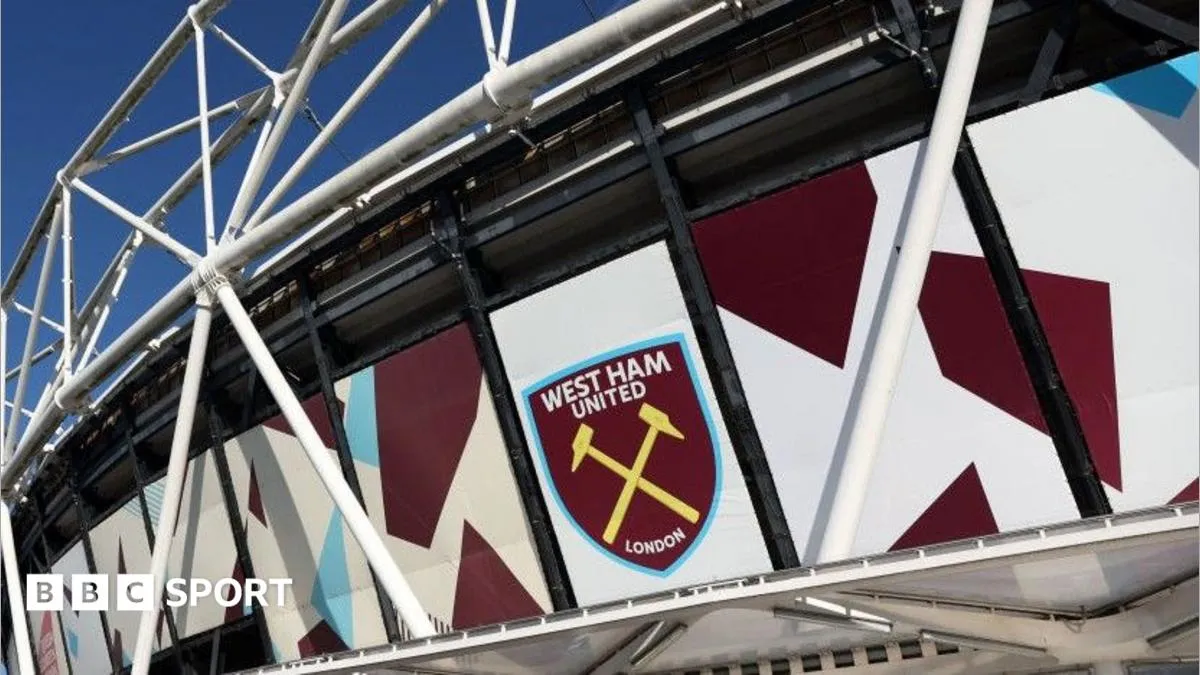
West Ham co-chairs back BBC women, then hand Czech billionaire the biggest stake
Daniel Kretinsky and Vanessa Gold back the women speaking in the BBC investigation and approve an ownership deal with Daniel Kretinsky’s co-chairs' preferred outcome.
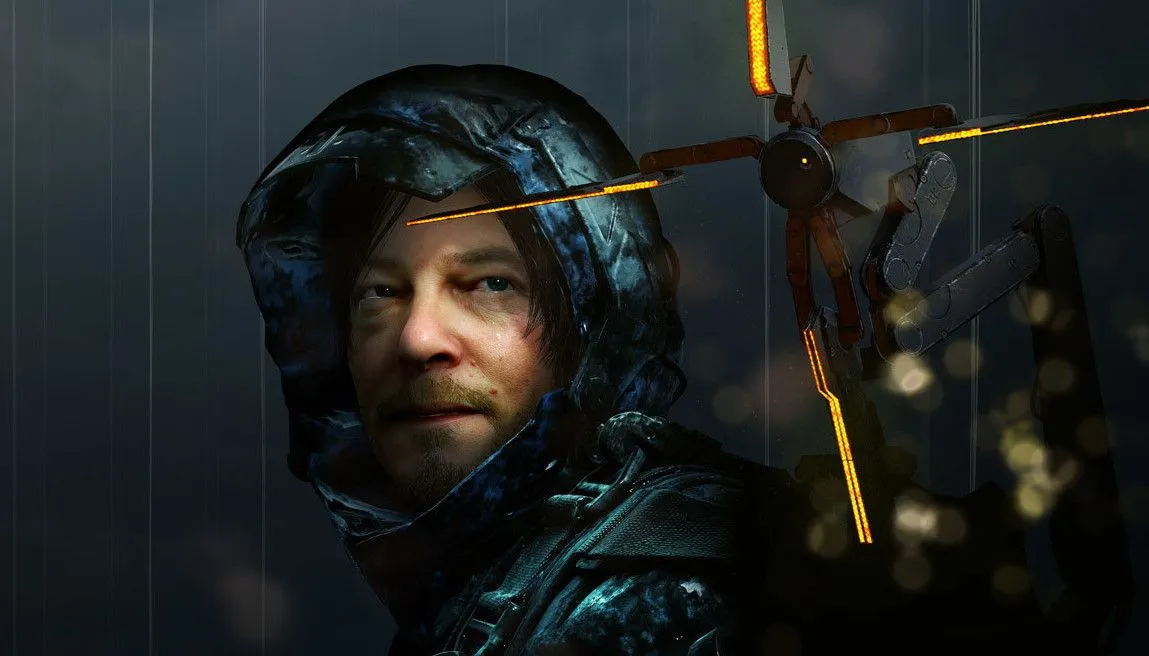
Death Stranding director Michael Sarnoski won’t retell the game, sets a film “corner of the world”
The A24 adaptation will use some game characters at most, but centers Sarnoski’s own story and worldbuilding.

Beeban Kidron: big tech needs its “tobacco moment” or risks children getting harmed
Director-turned-online safety campaigner argues platforms must act like tobacco regulators did, before tragedies force action.