
Alanis Morissette and Michael Bublé opened Canada’s 2026 World Cup in Toronto
The Canada-and-US-Mexico tournament starts with star power, live anthems, and performances tied to FIFA’s official album.
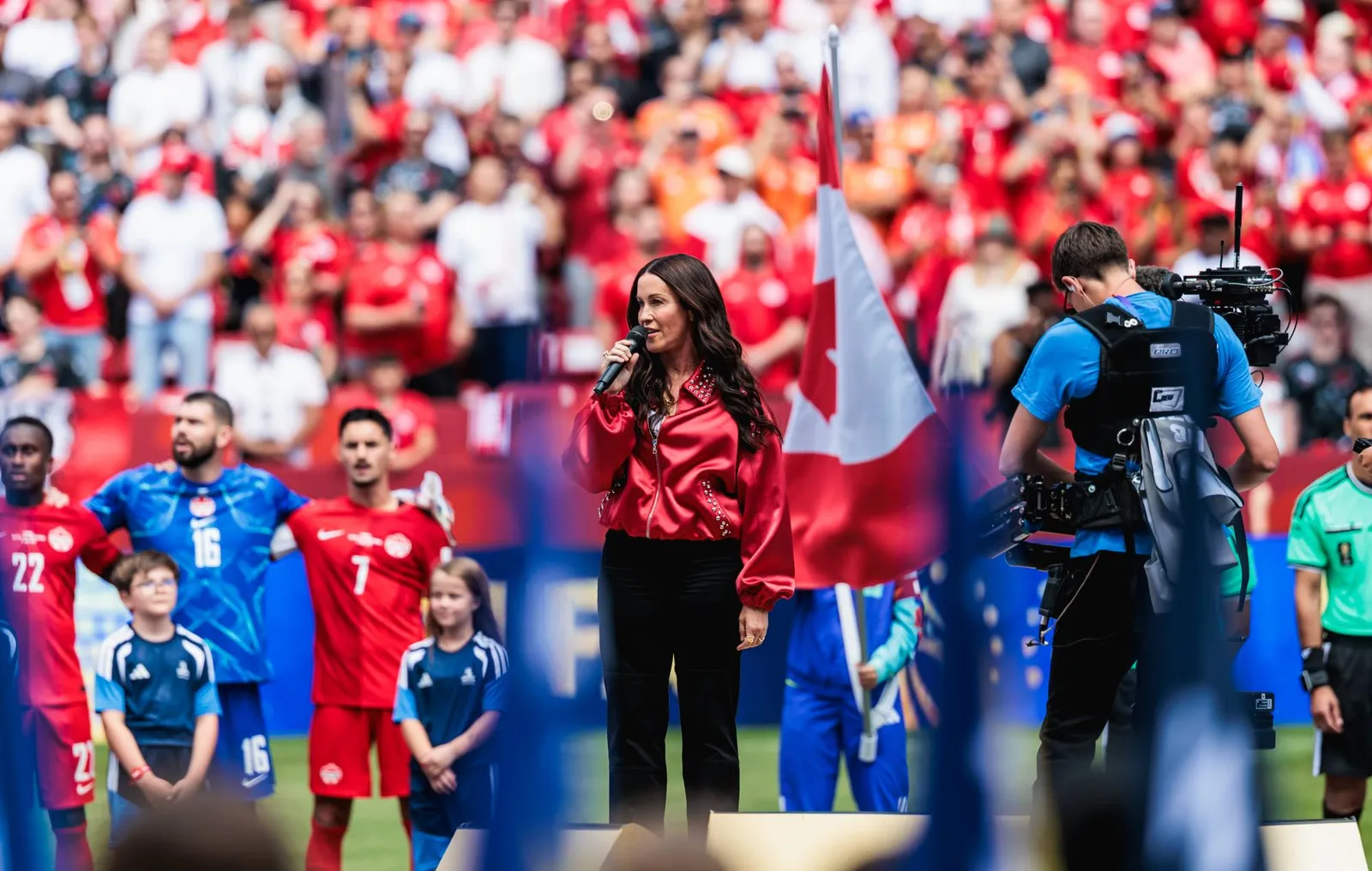
Alanis Morissette, Alessia Cara, and Michael Bublé appeared at the 2026 FIFA World Cup opening ceremony in Toronto. The way the event blended Canadian artists, official-album tracks, and national anthem moments signals how FIFA is bundling culture and content across host countries.
Alanis Morissette and Michael Bublé took the spotlight at the 2026 FIFA World Cup opening ceremony in Toronto, joined by Alessia Cara, Nora Fatehi, DJ Sanjoy, and rapper Vegedream. The show kicked off the tournament in Canada, with the opening match played the night of June 12 at Toronto Stadium, where Canada faced Bosnia and Herzegovina in the country’s opening game.
The ceremony itself was built like a guided tour through Canadian identity, music strategy, and the official FIFA World Cup 2026 brand. Cara was the first on stage, performing ‘Wild Things’ from her 2016 debut album. Her set included dancers waving flags and art pieces representing Canadian wildlife, then it moved into the next musical block: Nora Fatehi, DJ Sanjoy, and Vegedream performed ‘Siir’, a track that appears on the official FIFA World Cup 2026 album. That was followed by Elyanna and Jessie Reyez performing ‘Illuminate’, another song from the same album.
If you are a decision-maker watching from the business side of sports and entertainment, the interesting part is not the celebrity list. It is the packaging. FIFA did not just book performers; it aligned the live program with an album release pipeline by using multiple artists to execute songs that already belong to the official record. That matters because it turns a one-night spectacle into a multi-channel content asset: the ceremony becomes a launch moment for branded music, not just an on-site experience.
Morissette then appeared to sing ‘O Canada’, which anchored the performance in national symbolism. After that, Yugoslavia’s Aleksandar Gajić played the Bosnian and Herzegovinan national anthem on violin, giving the program a direct connection to the opening match matchup, Canada versus Bosnia and Herzegovina. Finally, Bublé closed out the show with the Sole Power Choir performing his rendition of Sam Cooke’s ‘Bring It On Home to Me’. In a tournament where schedules and venues are complex, that sequence of anthem moments followed by a globally recognizable hit cover is basically a masterclass in keeping the emotional temperature steady.
The Canada ceremony did not stand alone. Additional opening ceremonies were held in the US and Mexico. Shakira, Burna Boy, and J Balvin lit up the Mexico event on Thursday, June 11. The US opening ceremony featured performances by Katy Perry, Future, Anitta, Lisa, Rema, and Tyla. This multi-country rollout suggests FIFA is trying to make the World Cup feel like one brand with three local flavors, rather than a single host moment. That also means sponsors and media partners get multiple waves of attention, spaced across geographies.
There is also a clear throughline into the tournament’s future media calendar. Shakira is set to be part of the first ever World Cup Final Halftime Show on July 19 at MetLife Stadium in East Rutherford, New Jersey. The halftime show is curated by Coldplay’s Chris Martin and will have Madonna and BTS joining her. Noel Gallagher is not expected to watch, claiming he will be “doing the half-time raffle for a leg of lamb” instead, which is a reminder that mainstream music personalities are treating this like a cultural event, not just a sports broadcast.
So where does this land for executives and boards thinking about sports media, events, or entertainment partnerships? First, the opening ceremony shows how FIFA can translate a sporting product into an entertainment distribution machine by tying performances to the official FIFA World Cup 2026 album. Second, it demonstrates a cross-market choreography: separate ceremonies in Canada, the US, and Mexico, then a unified crescendo around the July 19 final halftime show. Third, it highlights how global artists can be leveraged without diluting local relevance, using national anthem segments and country-specific staging to keep audiences emotionally invested.
For leaders in adjacent industries, the second-order implication is simple: the World Cup is no longer just a tournament you sponsor. It is a content platform with a rollout strategy, a music ecosystem, and a runway into major broadcast moments. If you are planning a media partnership, negotiating rights, or building an event playbook, FIFA’s approach here is a useful benchmark for how to convert one week of attention into a season-long brand story. And if you are in the business of talent and production, the question becomes: how quickly can you align live spectacle with owned assets like official albums, so the buzz keeps paying rent long after the stadium lights go out.
This story's Key Insights and Take-aways are locked.
Create a free account to unlock Executive Actions for one credit.
Register to UnlockAlways free for Executives Club members. Join the Club
More in Entertainment
West Ham co-chairs back BBC women, then hand Czech billionaire the biggest stake
Daniel Kretinsky and Vanessa Gold back the women speaking in the BBC investigation and approve an ownership deal with Daniel Kretinsky’s co-chairs' preferred outcome.
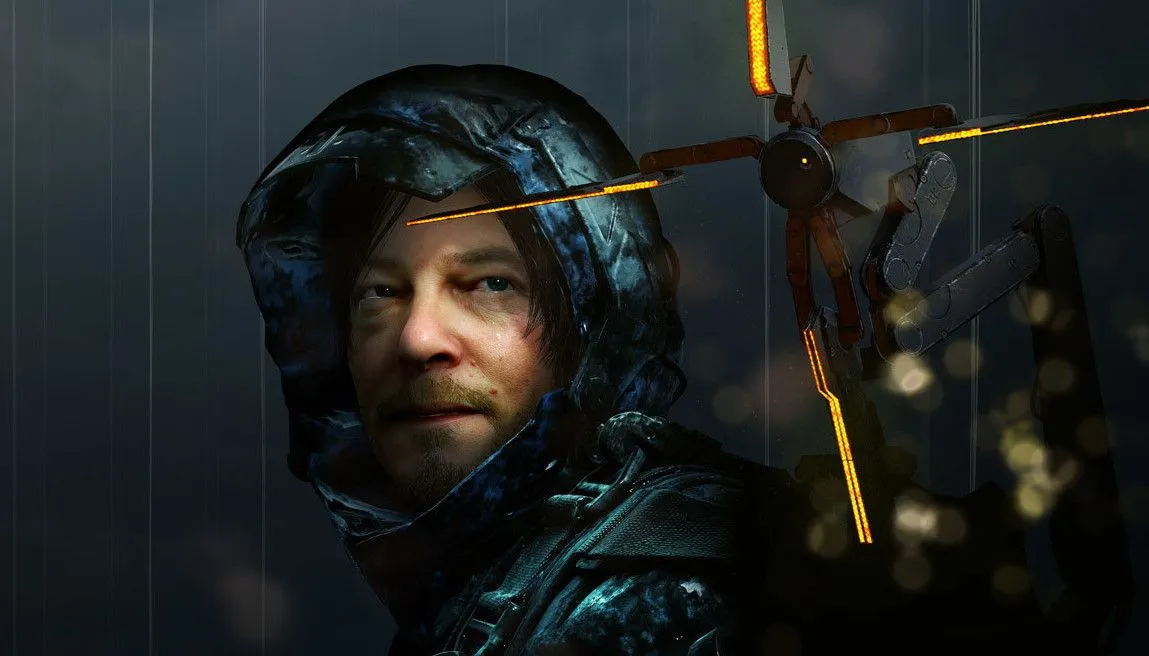
Death Stranding director Michael Sarnoski won’t retell the game, sets a film “corner of the world”
The A24 adaptation will use some game characters at most, but centers Sarnoski’s own story and worldbuilding.
Beeban Kidron: big tech needs its “tobacco moment” or risks children getting harmed
Director-turned-online safety campaigner argues platforms must act like tobacco regulators did, before tragedies force action.