
Alive textiles: researchers embed engineered microbes to shift color and boost UV protection
A biodegradable fabric can host living, programmable microbes, turning fashion supply chains into something more like biotech.
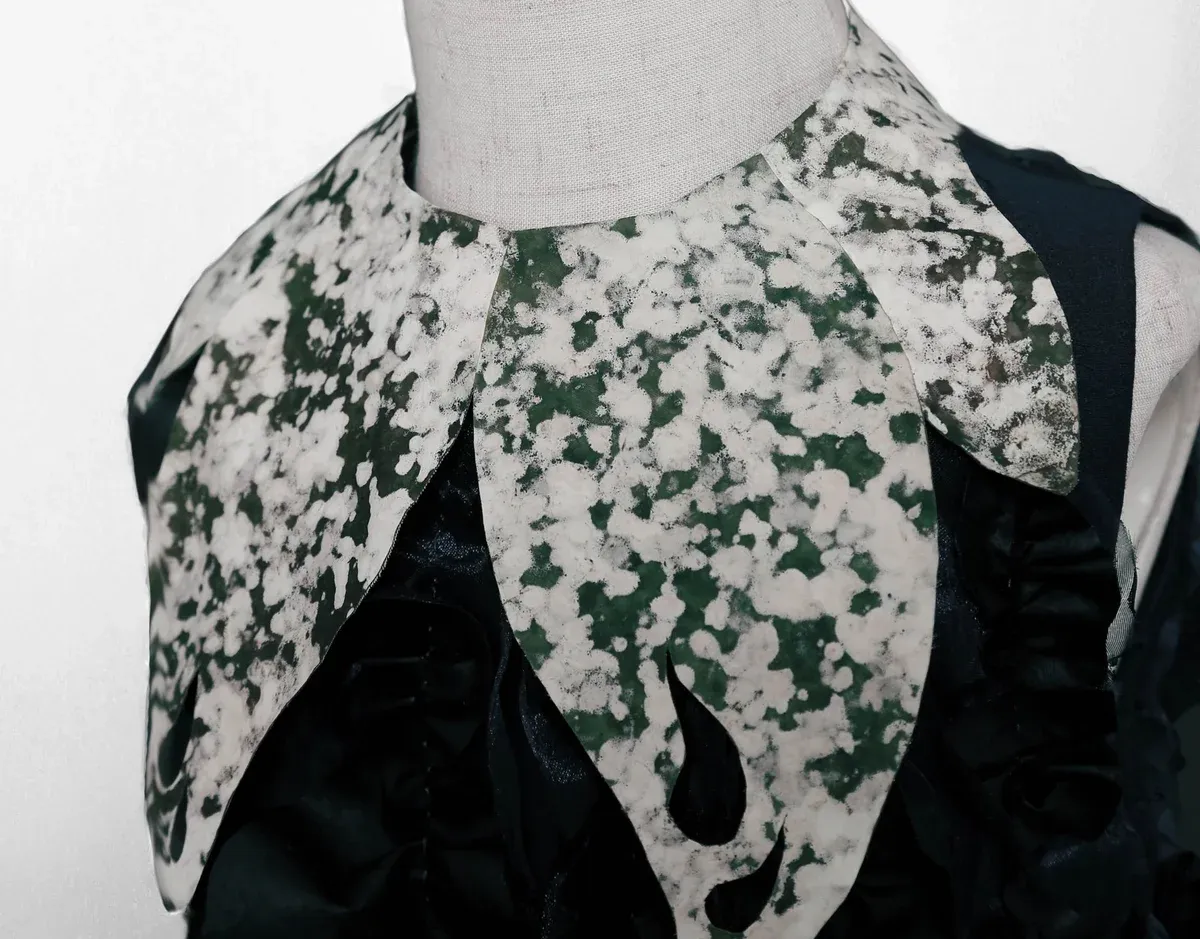
Researchers are turning living organisms into textiles, creating a biodegradable fabric that can host engineered microbes. For decision-makers, the implication is clear: fashion and materials companies may soon compete on biological programmability, not just chemical finishes.
A biodegradable textile that is actually alive is stepping out of the lab and into the materials conversation. In the Scientific American report, researchers describe a living fabric that can host engineered microbes. Those microbes are not decorative. They are functional, engineered to change the textile's color or add UV protection.
That is the core pivot. Instead of making garments with fixed dyes and passive coatings, the textile itself becomes a platform for living micro-systems that can alter their behavior after the material is made. If you care about product differentiation, durability, and time-to-innovation, this reframes what “a textile finish” even means. The fabric is no longer just the base layer; it can be the delivery mechanism for properties that can shift, respond, or perform.
To understand why this matters for executives, zoom out to how fashion and consumer brands typically build their surface area of differentiation. Most color and protection comes from chemistry, mechanical finishing, or coatings applied during manufacturing. That approach is mature, but it comes with tradeoffs: chemical consistency risk, supply chain complexity for multiple treatment steps, and regulatory scrutiny around what is used, how it degrades, and what ends up in wastewater and the environment. A biodegradable textile that is alive raises a different set of questions, but it also offers a different set of levers. If microbes can be engineered to affect appearance or UV filtering, then the value proposition shifts from “we applied treatment A and B” to “we designed a biological function into the material.”
There is also a very real product implication behind the headline promise. Color change sounds like a novelty until you treat it as a controllable feature. In many categories, visible cues are a proxy for performance, comfort, and trend cycles. If color can be adjusted by microbe activity, brands could potentially explore garments that look different under different conditions, or textiles that maintain aesthetic appeal longer without repeatedly introducing new chemical dye formulations. Separately, UV protection is not just an optional perk. It can be a health-adjacent feature, especially for outdoor and sun-exposed use. UV protection provided by microbial hosting could change how brands think about the lifecycle of protective effects. Will the protection remain stable as the garment is worn and washed? How does it behave as the textile biodegrades? Those are the kinds of durability and lifecycle questions boards and risk committees will want answered early.
From a regulatory and governance standpoint, living materials sit in a more complicated middle ground than conventional fabrics. Regulators already care about chemicals used in textiles, worker safety, and environmental impacts. With engineered microbes involved, the scrutiny may expand to include how the organisms are contained, how they behave during manufacturing, and what happens at end-of-life. Biodegradability is not the same as “no risk.” It changes the risk profile, not the need for evidence. Executives should expect that a credible path to commercialization will involve clear containment strategies, manufacturing controls, and documentation of microbial behavior under real-world use, including laundering and disposal.
Then there is the capital and strategy angle. A textile that hosts engineered microbes is not just a materials tweak. It can demand new capabilities across R&D, quality assurance, and supply chain operations. Boards looking at innovation pipelines will likely ask whether this competes with traditional finishing lines or requires new facilities and partnerships. Even if the chemistry supply chain remains part of the ecosystem, engineered biological functions could become a new differentiator that outsiders with biotech tooling can access faster than classic textile players. That creates competitive pressure on whoever owns the lab-to-factory bridge.
The second-order implications are also cultural and go-to-market. “Biodegradable” is a marketing magnet, but it can also invite skepticism if consumers and watchdogs perceive green claims without measurable proof. Adding “alive” and “engineered microbes” raises the bar for transparency. Brands that move first will need to communicate benefits and safety with more rigor than typical product launches. Done well, this could create a new kind of trust signal: not just a claim, but verifiable performance from a designed biological system.
For executives in adjacent categories, the lesson is simple. This is a materials platform shift, not a one-off novelty. The Scientific American description centers on a biodegradable fabric that can host engineered microbes that can change its color or add UV protection. If that works reliably at scale, it could redraw competitive maps across fashion, outdoor apparel, and any product where surface properties matter. The winners will not be the ones who just adopt the technology. They will be the ones who master the governance, lifecycle evidence, and manufacturing reality that come with making textiles truly programmable.
This story's Key Insights and Take-aways are locked.
Create a free account to unlock Executive Actions for one credit.
Register to UnlockAlways free for Executives Club members. Join the Club
More in Science
2026 Nikon Small World Winners Reveal the Hidden Machinery of Everyday Life
A mycologist's frozen Edinburgh garden became the backdrop for vivid views inside cells, a reminder of what advanced imaging now makes visible to researchers and the industries built on biology.
Study: 1 in 4 depression cases may be a body-clock problem, not a chemical one
A 10,000-person study finds standard antidepressants often fail these patients, but melatonin and morning sunlight may hit the real root cause.

Start-Up Says A.I. Designed a Virus to Attack One Patient's Superbug
If the claim holds up, personalized phage therapy could become a new frontline weapon against antibiotic resistance - but proof is far from final.