
Alshaya finds 971 containers, but John Hadden says 29 are still missing in India
A war-driven shipping scramble tripled sea freight and forced new logistics routes, yet Alshaya kept every store open.

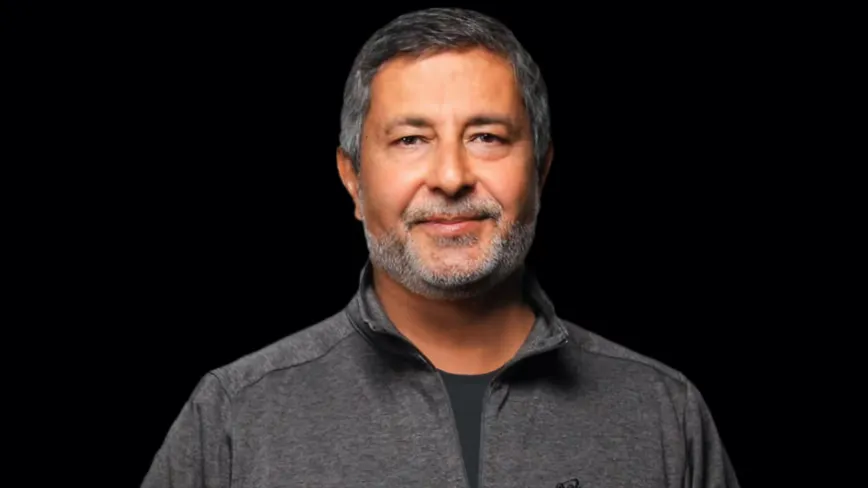
John Hadden, CEO of Kuwait-headquartered Alshaya Group, says the company recovered 971 of 1,000 missing sea containers and is still tracking 29 in India. The disruption drove sea freight costs up more than three times, air freight up fivefold, and added over $50 million in logistics costs.
The headline number is the whole story: Alshaya Group logged at least 1,000 missing sea containers in the early days of regional conflict, then recovered 971. But CEO John Hadden says 29 containers are still missing, stranded in India, with Alshaya working to get them into the UAE.
For decision-makers, the real shock is that this kind of gap does not stay theoretical. Hadden recalled that on the Monday after tensions escalated, his Chief Logistics Officer told him they had “1,000 40-foot containers somewhere in the water,” with “no clue where they are” and “no clue how to bring them into Jebel Ali.” Hadden’s point is blunt: when shipping routes break, inventory does not just get delayed. It gets scattered, and your entire supply chain plan can become a rescue mission.
Here’s what happened in plain English. As conflict disrupted shipping routes across the Gulf, many vessels could not follow their intended destination. With instability in the region, restrictions around the Strait of Hormuz, and port and route constraints, shipping lines declared an “end of voyage.” That meant ships would dock at the next available port instead of completing the planned leg. For a retailer like Alshaya, which operates around 4,000 stores, coffee shops and restaurants across 20 countries, that change matters because product needs to arrive in the right place, on a predictable schedule, ready to stock shelves.
The scramble became even more complex because Alshaya’s cargo was spread across multiple locations. Hadden said that once the company understood where the vessels docked, it worked with strategic partners and authorities to retrieve the containers through multiple ports. The company was not alone. Across the Gulf, businesses faced logistics challenges as shipping schedules were disrupted, freight costs surged, and alternative transport routes became increasingly congested. In that environment, every extra day waiting for a container is a day where stores either run low or customers see empty spaces.
To keep operations intact, Alshaya had to reroute shipments through alternative gateways, including Salalah in Oman, ports in Egypt, and Jeddah in Saudi Arabia, while working alongside government agencies, logistics partners, and port authorities. Hadden described it as needing “different ways to do things that we never anticipated before.” That phrase is the second-order lesson: even if you have supply chain playbooks, war-driven route changes force you into operational improvisation, often with multiple partners and multiple jurisdictions involved.
The cost of improvisation was immediate. Hadden said sea freight costs tripled during the disruption, while air freight rates increased fivefold. He also said the company chartered aircraft from Bangladesh to ensure key products reached stores on time. Then came the figure that CFOs will stare at: Alshaya “think[s] our logistics costs alone through the conflict have gone up over $50 million.”
Still, Alshaya kept every one of its stores, restaurants and coffee shops operating during the period. Hadden emphasized that from a customer perspective, shoppers “haven’t seen anything in terms of what’s on the shelves and what’s in our restaurants.” In practice, that means the company absorbed the disruption without letting it translate into store downtime. That resilience did not just protect margins. It also helped Alshaya press forward with an ambitious regional expansion, opening three Primark stores in the UAE within months. Hadden said the launch attracted more than one million visitors during the opening period and led Primark to accelerate expansion plans.
And the rescue effort is not fully over. Hadden said the latest position as of today is that only 29 containers have not been received, located in India, with the company working on getting them into the UAE. For executives, the strategic takeaway is uncomfortable but useful: recovery is not a switch you flip. It is a timeline you manage, even after the majority of shipments are back, and it can still have real operational and financial consequences while you plan what to build next.
This story's Key Insights and Take-aways are locked.
Create a free account to unlock Executive Actions for one credit.
Register to UnlockAlways free for Executives Club members. Join the Club
More in Business

SK Hynix jumps 11% after seeking up to $29.4B in Nasdaq listing
The chip giant filed for a Nasdaq listing plan that could raise $29.4 billion, instantly reshaping investor expectations.
Micron revenue hits nearly $42B as AI memory lifts gross margins above 81%
Fiscal Q3 results crush estimates, prove AI memory is rewriting Micron's margins, and change the momentum math for the whole chip stack.

SpaceX sells $25B in debt under two weeks after IPO, despite $90B in orders
The satellite and rocket company’s quick $25 billion borrowing move signals how it plans to finance scale after going public.