
Amazon drops Luca Guadagnino’s Sam Altman biopic after announcing OpenAI partnership
The distributor says Artificial will be “better served” elsewhere, forcing a last-minute rethink for awards ambitions and tech-business optics.
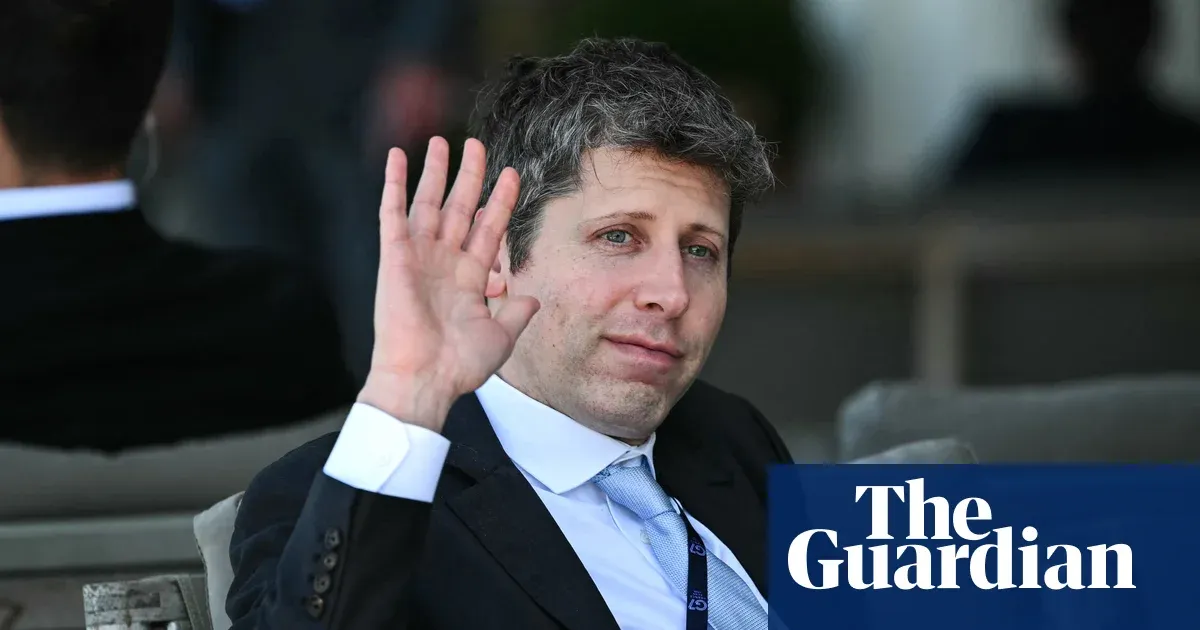
Amazon has dropped Artificial, Luca Guadagnino’s biopic about Sam Altman, after announcing an OpenAI partnership. The move raises practical and strategic questions for studios and executives about how big-tech alliances can reshape film distribution decisions.
Amazon has removed Artificial, Luca Guadagnino’s biopic about Sam Altman, from its distribution slate after the company announced an OpenAI partnership. The headline is simple, but the subtext is not: the studio positioning around a controversial tech executive can become a risk-management problem once a major distributor ties itself more tightly to the real-world technology story.
In a statement first reported by Puck, Amazon said it believes “that Artificial will be better served if it were released by a different studio” and that it is “working closely with the film-making team to find the film a new home.” Translation: this is not a quiet pause or a vague delay. It is a clean break, and it puts the film's next steps directly on the shoulders of whoever picks up the distribution baton in time for what the article says is an awards run next year.
For decision-makers, this lands at the intersection of entertainment logistics and tech-industry relationship management. Distribution is not just a marketing effort, it is capital, calendar, and control of release strategy. Awards season creates its own kind of pressure cooker. A film that is “poised for an awards run next year” (as the source describes it) can’t easily afford extended uncertainty. Every month matters for campaigning, press timing, and the broader narrative that helps a movie survive the noise.
It also matters that this is a biopic about Sam Altman, a figure described by the source as “controversial.” Controversy changes the economics of attention. It can boost curiosity, yes, but it also increases the odds that stakeholders start asking, privately and quickly, whether association is worth the potential backlash. And when the distributor is Amazon, and the broader corporate context includes an OpenAI partnership announcement, the questions get sharper, because the public already connects these worlds in the mind of the audience.
Amazon’s statement, reported by Puck, is notably careful. “Better served” is a classic corporate phrasing that avoids taking a direct stance on content, ethics, or legal risk. But the practical effect is undeniable: the film is no longer in the hands of the distributor that was backing it. Amazon also says it is working “closely with the film-making team” to find the film a “new home,” which suggests an orderly transition rather than a scorched-earth shutdown. Still, for the production team, “working closely” does not replace distribution infrastructure, nor does it guarantee a replacement that can match the original scope and timing.
There is a second-order implication here for studios and investors tracking how tech partnerships ripple into culture markets. Big-tech companies increasingly operate like platforms that span cloud, media, and AI. When a company announces a partnership in AI, it signals more than a product roadmap. It signals alignment, priorities, and public identity. If the identity includes being closely associated with a company like OpenAI, it creates friction with any high-profile project that centers on a controversial executive in adjacent ecosystems. Even if no legal issue exists, reputational risk is often managed through operational choices like distribution changes.
That is why this moment should be on the radar of anyone making board-level decisions in entertainment, media, or tech-adjacent ventures. The film industry is already a coordination game across producers, distributors, theaters, platforms, and marketing partners. Add corporate partnerships to the mix and you get an extra layer of dependency. A distribution deal can become conditional on evolving corporate relationships, including the types of alliances announced in public.
And for executives, the strategic stake is clear: distribution is a lever that can amplify or dampen a movie’s reach, and by extension a film’s ability to shape public conversation about the people and technologies it depicts. Artificial may still find a new distributor. But time, awards momentum, and campaign bandwidth will be harder to preserve the longer the film stays in limbo. In the end, Amazon is effectively forcing a reset of that timeline, and the film-making team will now have to rebuild the path to that next-year awards push without the original distributor’s support.
If you are running a studio, a production company, or an investment group evaluating media bets tied to real-world tech narratives, the bigger lesson is that partnerships do not live in silos. They spill into branding, stakeholder calculus, and operational decisions. Artificial is not just competing with other releases. It is competing with the business logic of a distributor trying to harmonize its entertainment portfolio with its tech identity.
This story's Key Insights and Take-aways are locked.
Create a free account to unlock Executive Actions for one credit.
Register to UnlockAlways free for Executives Club members. Join the Club
More in Entertainment
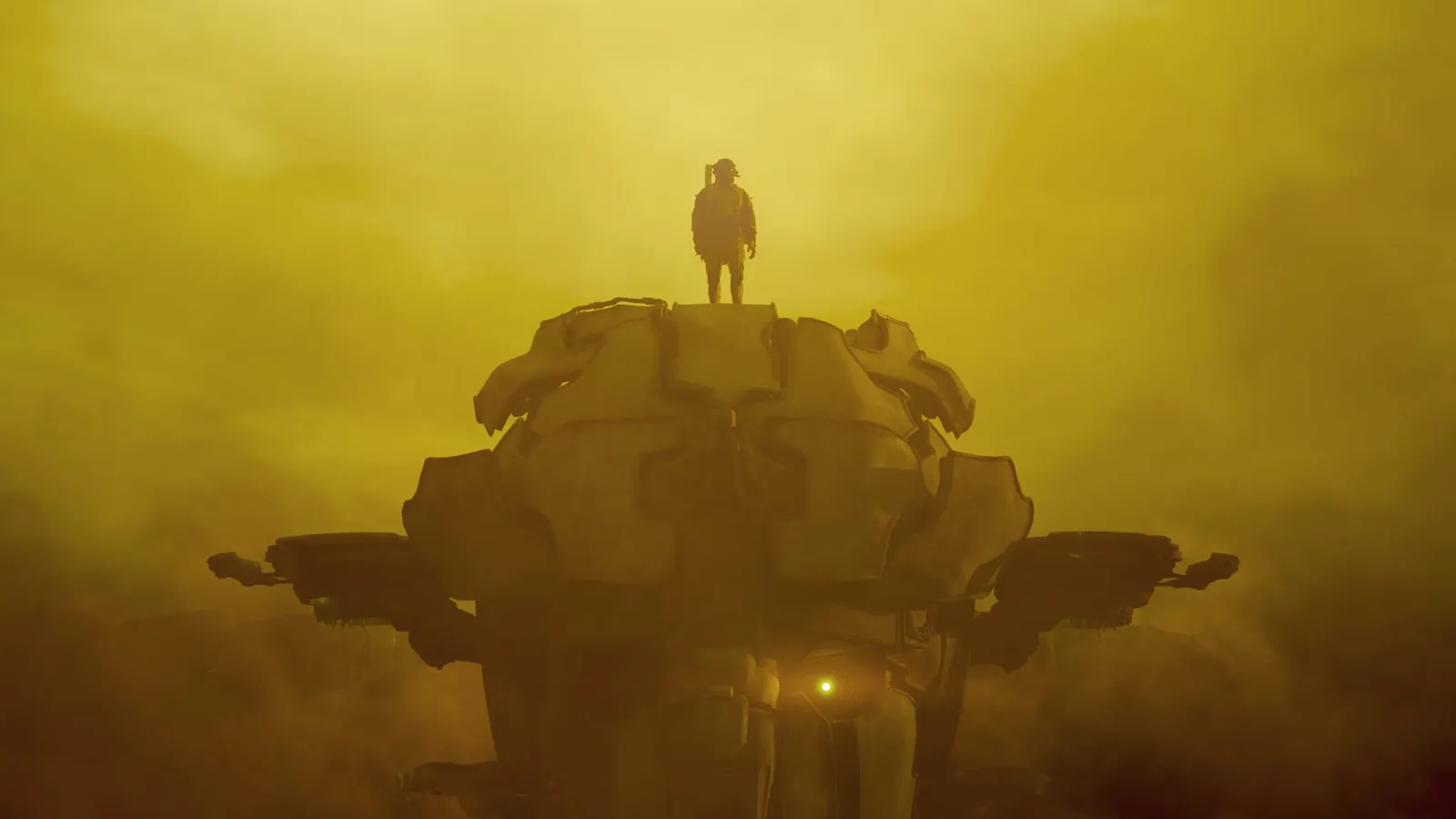
Fumito Ueda stakes Epic Games on Gen Atlas’ giant robot vision
The Shadow of the Colossus creator says Gen Atlas began with one universal theme: big robots made relatable.

Bootzilla Records signs Davie: Bootsy Collins’ first artist launch hits Juneteenth
A funk icon’s new label debuts with “Soul,” distributed through Roc Nation, and the rollout signals a mission.

Mark Roberts says Path of Exile 2 temple exploits “ruined Christmas” after emergency patches
Grinding Gear Games had to interrupt its holiday break to curb a temple strategy that turned players into in-game millionaires.