
Amazon orders a Robocop TV show, with Lodge 49 showrunner on board
A Robocop pilot just became a full series commitment, raising the stakes for streaming sci-fi and IP strategy.
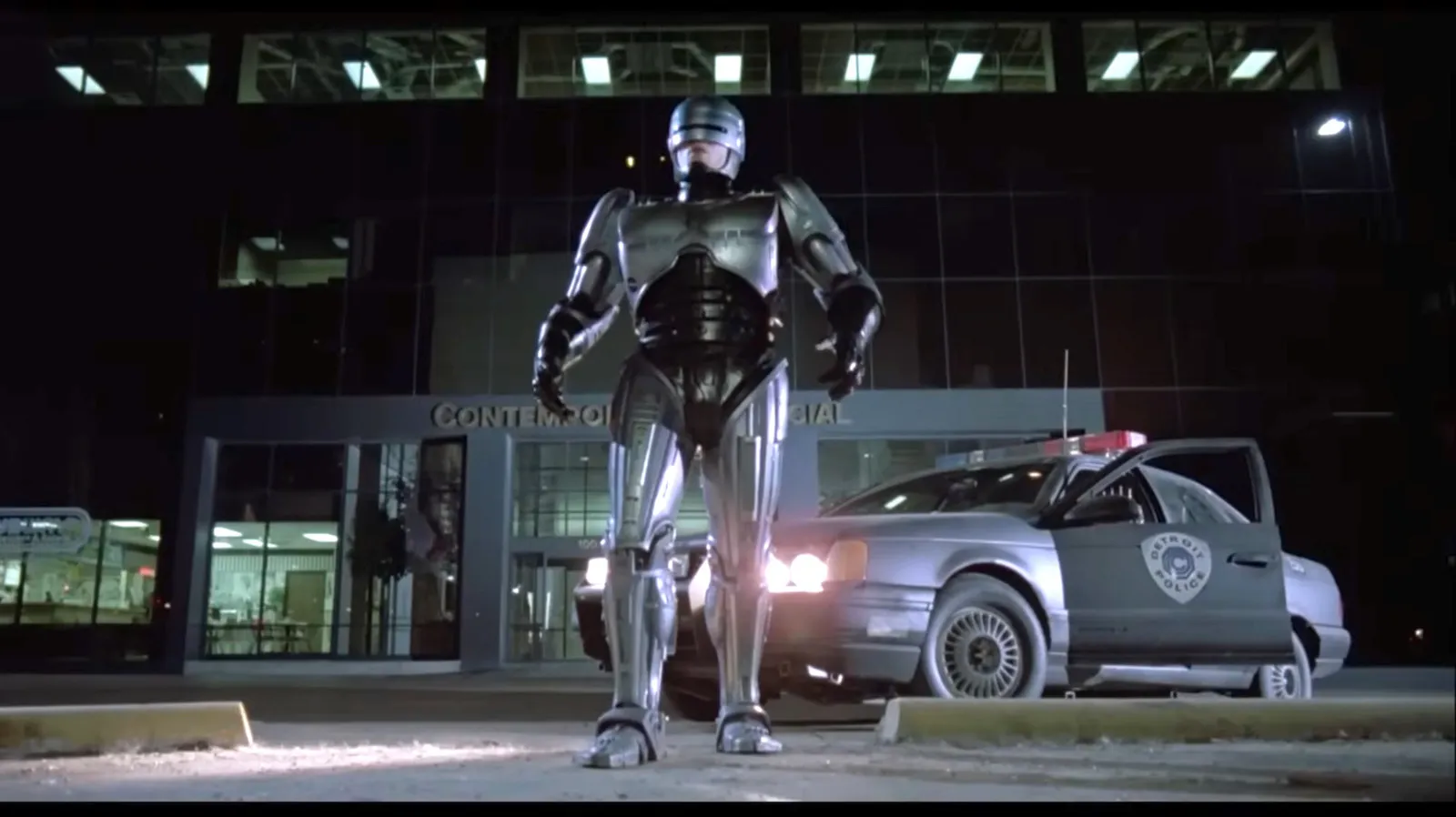
Amazon has greenlit a Robocop pilot and is now committed to a full TV show. For decision-makers, it signals how aggressively studios are betting on recognized IP and proven creative teams to secure audience attention.
Amazon is taking Robocop from a single pilot into a full TV show, and it is leaning on a specific creative leadership signal to do it: the showrunner from Lodge 49. That combination matters, because it suggests Amazon is not treating this like an experiment. It is treating it like a product launch, with a strategy for turning a known property into a repeatable, binge-able series.
The headline you should care about is simple: Amazon greenlit a Robocop pilot, and then committed to a full TV show. The implication is immediate for executives watching media budgets, because it collapses the usual pipeline between early testing and full-scale commitment. In other words, Amazon did not just like the idea. It moved forward after the pilot stage, which is the part where many projects either stall, get reworked, or quietly disappear.
So why would a streamer put real momentum behind a cyberpunk action franchise like Robocop? Part of the answer is audience math. Big, recognizable IP reduces some uncertainty in a business where attention is the scarcest resource. Sci-fi and action series thrive when viewers can instantly connect the tone, premise, and brand promise. A title like Robocop comes pre-loaded with expectations, and those expectations can make marketing and sampling easier. You do not have to teach people what the show is about from scratch.
But the second piece is creative continuity. The showrunner talent from Lodge 49 is a key detail because showrunners are effectively the operating system for a series. They shape tone, episode structure, character arcs, and the overall “why should I keep watching?” engine. When a company ties a known IP to an identified creative driver, it is trying to solve two problems at once: brand recognition on the front end, and storytelling competence on the back end.
This is also the moment where board dynamics and budgeting logic show up. Streaming executives live with a constant tension: networks and platforms want novelty, but they also need reliability. Greenlighting a pilot is one way to test. Committing to the series after that stage is another, stronger bet. It can mean leadership feels confident about the series package, the production plan, or the audience fit. Even without extra numbers in the source, the movement from pilot to full show is itself a decision threshold being crossed.
There is another strategic layer for regulatory and policy-aware executives: large-scale media companies are operating in an environment where content choices can run into classification standards, local compliance expectations, and political scrutiny. While the source does not discuss regulation, the fact that a franchise like Robocop centers on policing, violence, and futuristic governance themes is exactly the kind of content that tends to draw attention. In practice, platforms typically plan around these realities early, especially when a project shifts from pilot to series. A bigger commitment usually means more stakeholders, more review cycles, and more need for a clear pathway to broad audience release.
For peers, the second-order implication is straightforward: this is a signal about where Amazon thinks value lives. If Amazon is willing to turn a Robocop pilot into a full show, it is leaning into recognizable franchises and pairing them with showrunner-level execution talent. That is a playbook other streaming operators will watch closely, because successful series can become long-tail assets, powering merchandise, international licensing, and future seasons that are cheaper than starting from zero.
The executive stakes are not just about one show. When a platform commits to a known franchise with a defined creative leader, it is effectively setting a competitive benchmark for what kinds of bets are “worth scaling.” If you run a streaming catalog, a content slate, or an entertainment investment portfolio, you should track these pivot points from pilot to series because they often reveal the real risk appetite of the company. Amazon has now made that appetite visible with Robocop, and the industry will notice.
This story's Key Insights and Take-aways are locked.
Create a free account to unlock Executive Actions for one credit.
Register to UnlockAlways free for Executives Club members. Join the Club
More in Technology

Google quietly links your phone number to every Android account on your SIM
Adding a SIM now ties your phone number to all Google accounts - and future accounts inherit it. Here's the security and privacy stakes.

Hijacker AI 'Skynet mode' runs 100,000 attack steps against exposed models
Symantec caught a criminal AI agent that borrows other models, steals data, and mines crypto; the only relief is no confirmed victims yet.

Nvidia's AI-financier shift faces its first big test as neoclouds stumble
A rout in neocloud stocks is forcing investors to weigh Nvidia's hidden exposure as both supplier and lender to the AI buildout.