

Amazon's AI spending spree spooks Wall Street as shares stumble
The e-commerce giant's swelling AI investment is colliding with investor patience, forcing a reckoning over Big Tech's data center cash burn.
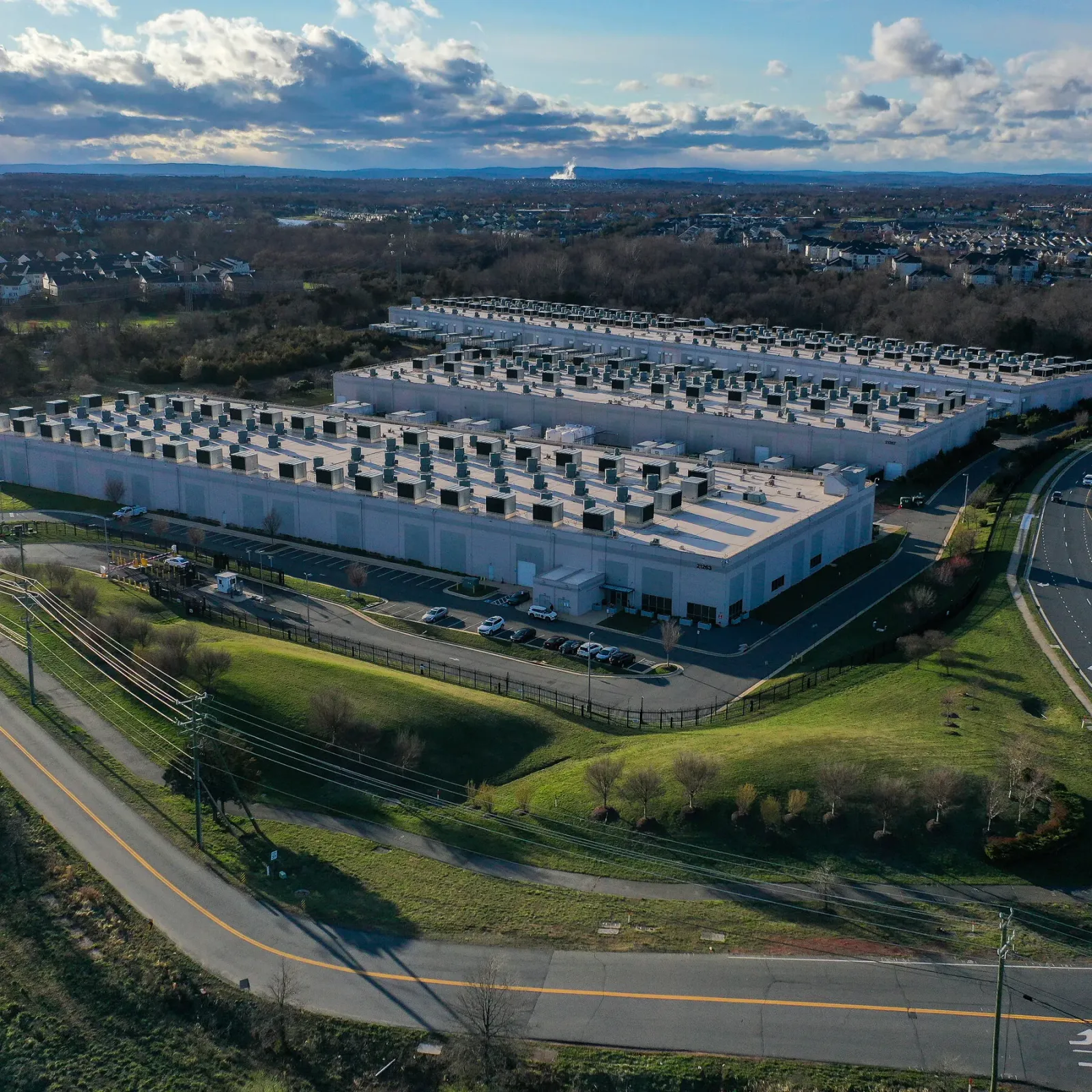
Amazon announced a fresh wave of swelling AI investments as its share price stumbled, making it the latest Big Tech company to double down on data centers. For executives and boards, the move sharpens the question of when massive AI capital spending will translate into returns.
Amazon just lit another match on the AI spending bonfire, and Wall Street is feeling the heat. The company announced a fresh round of swelling investments in artificial intelligence, but the news landed against a backdrop of stumbling share prices, a combination that is becoming uncomfortably familiar across Big Tech. Investors are not questioning the ambition; they are questioning the math. Every billion poured into data centers and AI infrastructure is a billion that has to be earned back, and the timeline for that payback is looking longer and less certain than the industry's cheerleaders once promised.
The tension is not new, but it is intensifying. The original headline from The New York Times captured the core worry: Big Tech's data center blitz is burning through cash and scaring Wall Street. Amazon's announcement is the latest data point in that trend, but it is far from the only one. Across the sector, the largest technology companies are engaged in a capital expenditure arms race, building out massive data centers, securing chip supply, and wiring up the physical infrastructure that AI models demand. The scale is staggering, and the bills are coming due in the form of depreciation, power costs, and financing expenses that hit the income statement quarter after quarter.
For Amazon specifically, the strategic logic is clear. AI is the most consequential platform shift since the cloud, and Amazon Web Services remains the company's profit engine. Falling behind on AI infrastructure would risk ceding ground to Microsoft, Google, and a wave of well-funded startups. So Amazon is investing to defend its lead, and to capture the next wave of enterprise demand. But the market is asking a harder question: at what point does this spending start generating returns that justify the outlay? The answer is not obvious, and that uncertainty is what is spooking investors.
Wall Street's fear is not that AI will fail. It is that the investment cycle will outrun the revenue cycle. Data centers take years to build and even longer to fill with paying customers. Meanwhile, the cost of capital has risen, and investors are increasingly impatient with stories that promise future glory while burning cash today. The market has punished companies that show aggressive spending without clear near-term profitability, and Amazon's share price stumble suggests it is not immune to that scrutiny.
This dynamic creates a delicate balancing act for executives and boards. On one hand, underinvesting in AI could be a strategic error that takes a decade to undo. On the other hand, overinvesting without discipline can destroy shareholder value and invite activist pressure. The companies that navigate this well will likely be those that tie every dollar of AI capex to a specific revenue or efficiency outcome, and that communicate that linkage clearly to investors.
This story's Key Insights and Take-aways are locked.
Create a free account to unlock Executive Actions for one credit.
Register to UnlockAlways free for Executives Club members. Join the Club
More in Technology

Attackers hit 61 GitHub repos in 43 minutes to steal CI/CD secrets
Radware researchers found a coordinated campaign using hidden HTML comments in issues to trigger vulnerable workflows and exfiltrate credentials.

Anthropic and OpenAI Say a Key Computer Science Rule Is Dead
The labs' claim could invalidate decades of research - and leave the field feeling like 'overexcited bunnies' chasing new questions.

Pornhub's Survival Play: Turn Adult Creators Into Cooking Stars
Facing censorship and anti-porn laws, the adult platform is pushing creators toward safe-for-work content to keep the lights on.