

Amazon's AI spending surge collides with stumbling shares
The e-commerce giant's latest capital commitment to AI comes as investors punish Big Tech for data center cash burn. Here's what it signals for every CFO watching the bill come due.
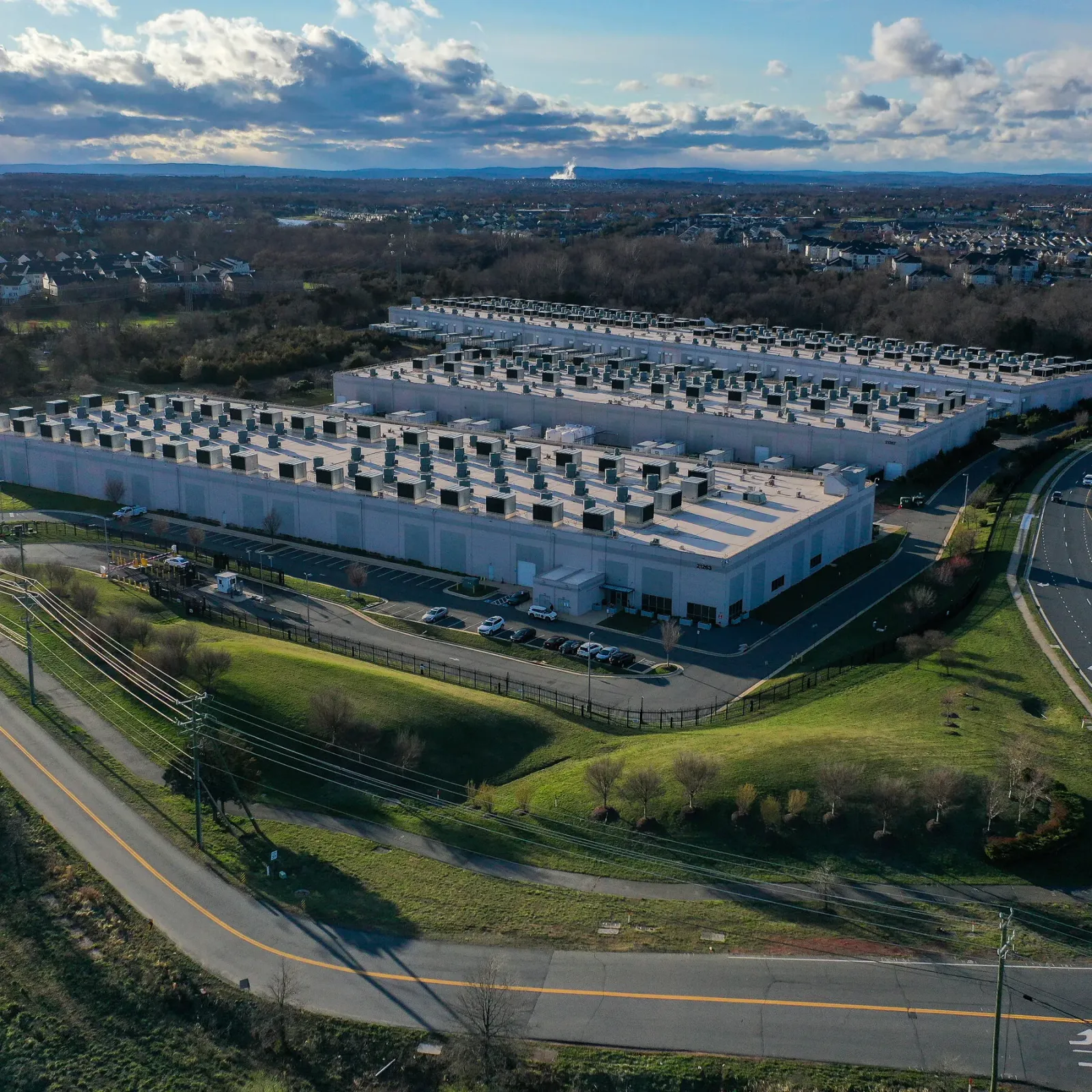
Amazon on Thursday announced swelling investments in AI, becoming the latest tech giant to double down on data centers even as its shares stumbled. For decision-makers, the move underscores the widening gap between AI's capital demands and Wall Street's patience.
Amazon on Thursday became the latest tech company to announce swelling investments in A.I., even as its share price stumbled. The announcement, reported by The New York Times, lands at a moment when Wall Street is increasingly skittish about the billions of dollars Big Tech is pouring into data centers and artificial intelligence infrastructure.
The pattern is now unmistakable. Over the past year, the industry's largest players have escalated their capital spending commitments, betting that AI will reshape everything from cloud computing to search to enterprise software. But investors are starting to ask a pointed question: when does the bill come due? Amazon's move, coming amid a broader sell-off in tech shares, suggests that the spending spree is far from over, even as the market's patience wears thin.
For context, data center buildouts are among the most capital-intensive projects in corporate America. They require land, power, cooling systems, and specialized chips, all of which carry steep upfront costs. Historically, these investments have been justified by the promise of future revenue, but AI's revenue timeline remains uncertain. While cloud services have proven profitable, the incremental demand from AI is still being tested, and the returns are not guaranteed. The scale of these projects also creates operational risks: construction delays, supply chain bottlenecks, and energy constraints can all push costs higher and push payback further out.
The strategic logic behind the spending is clear: companies fear being left behind. AI is widely seen as the next platform shift, and the companies that control the infrastructure may control the market. Amazon, with its dominant AWS cloud business, has a strong incentive to ensure it has enough capacity to meet customer demand for AI services. But the market's reaction suggests that investors are not fully convinced the payoff will arrive quickly enough to offset the cash burn. The tension is not unique to Amazon; it is the defining challenge for every tech giant that has committed to the AI arms race.
This creates a delicate balancing act for CFOs and boards. On one hand, underinvesting in AI could mean losing ground to rivals like Microsoft and Google, which have also been aggressive in their data center expansion. On the other hand, overinvesting without a clear path to profitability could trigger a sharper sell-off, as seen in the recent stumbling of tech shares. The challenge is not just deciding how much to spend, but how to communicate the spending to investors in a way that maintains confidence. Executives must now answer questions about utilization rates, customer commitments, and the specific revenue streams that AI infrastructure will unlock.
For peers in similar roles, Amazon's announcement is a signal to revisit their own capital allocation strategies. The market's response to Amazon's news, while not detailed in the report, is part of a broader trend of investor scrutiny. Companies may need to provide more granular guidance on how AI investments will translate into revenue, or face the risk of being lumped into a 'cash burn' narrative that depresses valuations. The days of vague promises about AI's transformative potential are fading; investors want to see the math.
The broader implication is that the AI infrastructure boom is entering a new phase. The early enthusiasm that drove valuations higher is giving way to a more sober assessment of costs and returns. For executives, the next few quarters will be a test of whether they can balance ambition with discipline. Those who can show a credible path from investment to profit may be rewarded; those who cannot may find themselves on the wrong side of Wall Street's shifting mood. Amazon's announcement is not an outlier; it is a reminder that the AI buildout is a marathon, not a sprint, and the financial endurance of even the largest companies is now under the microscope.
This story's Key Insights and Take-aways are locked.
Create a free account to unlock Executive Actions for one credit.
Register to UnlockAlways free for Executives Club members. Join the Club
More in Business

Binance scrambles to claw back $6.3B stolen in North Korea-linked hack
The world's largest crypto exchange faces the biggest heist on record, and the recovery effort will test the limits of blockchain forensics.

North Korea's TraderTraitor unit blamed for Binance's record $6.3bn heist
The largest crypto theft on record has rattled markets, slashed billions from token values, and put Binance's security revamp under the spotlight.

Binance probes $6.3B hack, freezes $3B; Polymarket halts trades
Two major trading platforms reported separate security incidents on Thursday, with billions frozen and user funds on the line.