

Amazon, Vice face defamation suit over 'Hollywood Hustler' claims
Julio Hallivis says the documentary falsely cast him as Zach Horwitz's accomplice, a warning shot for streamers banking on true-crime edits.
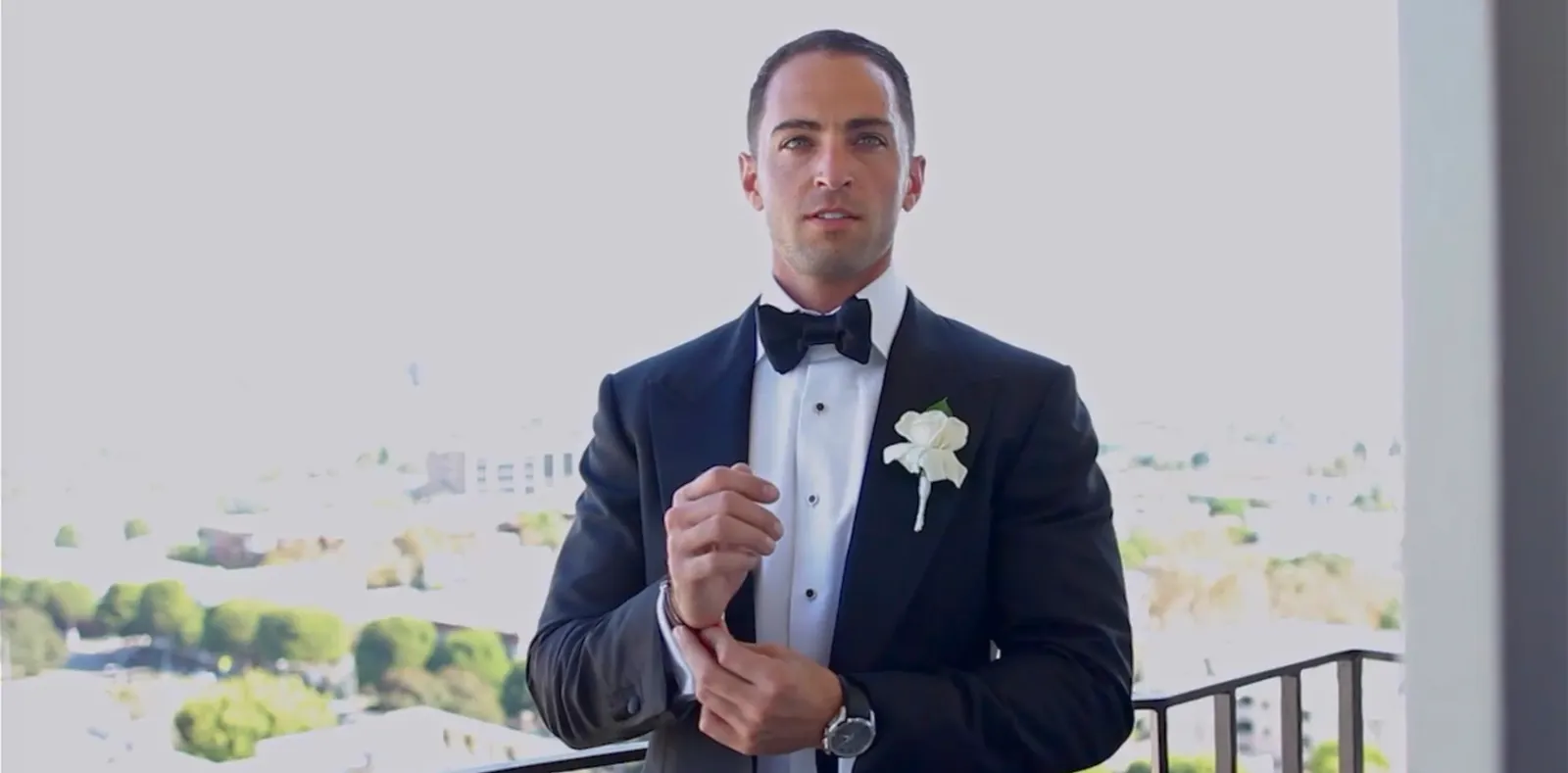
Producer Julio Hallivis has sued Amazon Studios, Vice Studios, and director Rebecca Chaiklin over the recent documentary series "Hollywood Hustler: Glitz, Glam, Scam," alleging it falsely portrayed him as an accomplice of convicted fraudster Zach Horwitz. For executives, the case is a reminder that true-crime storytelling can create legal exposure when edits imply guilt without enough factual support.
A producer has taken Amazon Studios, Vice Studios, and director Rebecca Chaiklin to court over a documentary series that he says crossed a line from storytelling into defamation. Julio Hallivis filed suit on Thursday, alleging that "Hollywood Hustler: Glitz, Glam, Scam" falsely portrayed him as an accomplice of convicted fraudster Zach Horwitz. In plain English: Hallivis says the series did not just cover a fraud case, it tied his name to criminal conduct he says he did not commit.
That is the core dispute, and it lands in a place entertainment companies know well by now. True-crime programming can be a ratings machine because it packages real-world scandal into something bingeable. But the same ingredients that make these projects sticky - real names, real accusations, real people with reputations on the line - also make them legally sensitive. If a documentary implies someone helped pull off a fraud, and that person says the implication is false, the production team can end up defending not just editorial choices, but the accuracy and fairness of the entire narrative.
Hallivis's complaint, as described in the source, centers on reputation. He contends that his reputation has been ruined by the false implication that he acted as an accomplice of Horwitz. That matters because reputational harm is not abstract in entertainment, media, or any business where trust is currency. A documentary may live on a platform for years, get clipped into social posts, and travel far beyond the audience that watched it on day one. For a producer, operator, investor, or founder, the lesson is simple: if your name gets attached to a public wrongdoing story, the damage can outlast the release cycle.
The defendants here are not small players. Amazon Studios and Vice Studios are both major names in the content ecosystem, and Rebecca Chaiklin is the director named in the filing. When a case like this targets a platform, a studio, and an individual filmmaker at the same time, it signals a broad challenge to the chain of editorial responsibility. The complaint, at minimum, asks an uncomfortable question that executives across media should recognize: who owns the risk when a final cut turns implication into accusation? In documentaries, the answer can be messy because the creative process often depends on assembling facts, editing context, and drawing connections that feel obvious on screen but can be disputed in court.
The source does not detail the specific scenes, edits, or statements Hallivis is challenging, and that restraint matters. But the legal theory is easy to understand at a high level. Defamation claims generally hinge on whether a false statement of fact harmed someone's reputation. In the documentary world, that question often becomes tangled with narration, sequencing, and the power of omission. A cutaway here, a graphic there, a repeated association between two names, and an audience can leave convinced of a relationship the filmmakers may argue was only suggested indirectly. That is why productions built around real scandals face a different standard of scrutiny than fictional work. They are selling realism, which also means they have less room to hide behind artistic license when the facts are challenged.
For business leaders, the second-order effect is bigger than one lawsuit. Streamers and studios have spent years leaning into nonfiction because it can be cheaper than scripted hits and easier to market with a built-in hook. But the upside comes with a governance problem: the more closely a project tracks real people and real allegations, the more editorial decisions start to look like risk decisions. That can affect legal review, insurance, fact-checking budgets, clearance processes, and how aggressively a team pushes a provocative angle in the final edit. It can also shape how platforms think about repeat collaborations with filmmakers who specialize in sensational real-life stories. Nobody wants to become the next example of a docuseries that played too loose with a living person's name.
There is also a broader trust issue here that reaches beyond Hollywood. Audiences increasingly consume news, docs, and social clips in the same feed, which means the line between reporting and entertainment can blur fast. When a documentary frames someone as part of a fraud, many viewers may treat that framing as effectively established fact, even before any court has weighed in. That creates a sharp incentive for companies to be more disciplined about sourcing, context, and legal review, especially when the subject is a real person who can still sue. For peers in media and tech, the signal is clear: the distribution engine may be digital, but the liability is still old-school.
For executives watching this case, the practical takeaway is not to stop making documentaries. It is to recognize that the credibility premium of nonfiction cuts both ways. The same authenticity that helps a series travel can make it much harder to defend if a subject says the edit tells a false story. And because the source does not describe any response from Amazon Studios, Vice Studios, or Chaiklin, the next move in the dispute could shape how aggressively future true-crime projects are commissioned, reviewed, and cleared. If you operate anywhere near content, brand, or reputation, this is the kind of lawsuit that makes the whole room slow down and check the fine print.
This story's Key Insights and Take-aways are locked.
Create a free account to unlock Executive Actions for one credit.
Register to UnlockAlways free for Executives Club members. Join the Club
More in Entertainment

Christopher Nolan’s “The Odyssey” posts his biggest Tuesday haul, surpassing “The Dark Knight’s” record
The film’s Tuesday breakout reframes Nolan’s box-office ceiling and forces competitors to rethink timing, budgets, and release strategy.

Kacey Musgraves cancels Aug. 20, 29, Sept. 2 Middle of Nowhere shows
Ticketmaster emails are telling fans refunds are coming, while the tour still starts Aug. 21 in Chicago.

Billie Joe Armstrong launches Epiphone Les Paul Junior and Marshall 1959BJA signature gear
Two limited releases turn decades of Green Day’s tone into branded hardware, including Marshall’s first artist amp in 14 years.