
Amy B. Harris returns as showrunner for Prime Video's Every Year After Season 2
Season 2 extends the Barry's Bay universe and adapts Fortune’s novel, One Golden Summer, under renewed leadership.
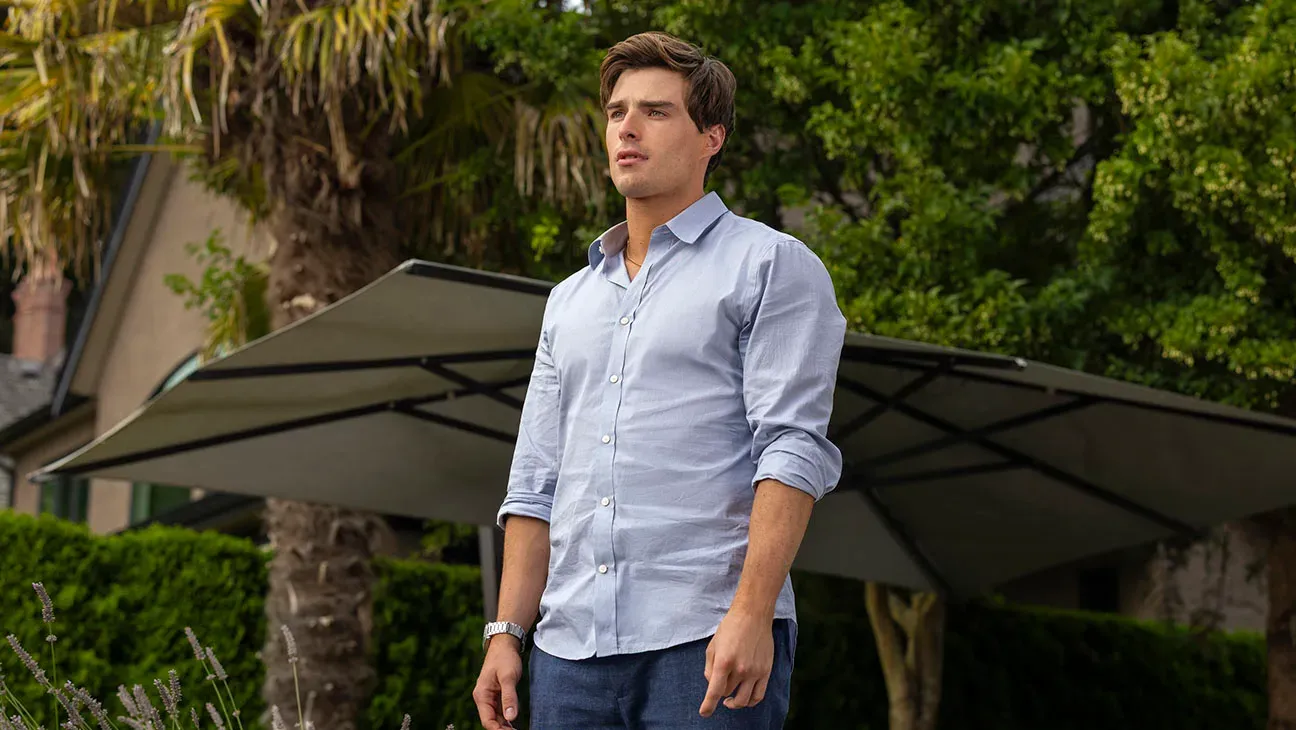
Amy B. Harris returns as showrunner for Prime Video’s Every Year After, renewed for a second season. The series will expand the Barry’s Bay universe and follow Fortune’s novel, One Golden Summer.
Prime Video just renewed Every Year After for Season 2, and the big behind-the-scenes signal is who is steering it: Amy B. Harris is returning as showrunner. In other words, Amazon is not treating this as a one-off experiment. It is betting that the creative engine that launched the first run can keep expanding the world viewers are already learning to navigate.
Harris’s return matters because Every Year After is specifically designed to grow in two directions at once. The show will expand the Barry’s Bay universe, while also following Fortune’s novel, One Golden Summer. That dual mandate is not typical. It means the production has to satisfy two different types of audience expectations: people who want more of the setting and people who want the story to track the book’s momentum.
Barry’s Bay framing is the first key to understanding the strategic logic. Universe-building shows tend to benefit from continuity in tone, characterization, and narrative rules. When the same showrunner returns, that continuity is less likely to slip, because Harris already knows how to translate the series DNA into episode-by-episode craft. Renewing with the same showrunner is a quiet but real governance decision: it reduces creative rework, protects audience trust, and keeps the series aligned with whatever internal success metrics Prime Video uses for retention and growth.
Now add the adaptation requirement. The series will follow Fortune’s novel, One Golden Summer, which introduces an additional pressure point. Adaptations can be a minefield, not because they are inherently risky, but because they force alignment between source expectations and screen realities. For decision-makers, this is where budgets, staffing, and development timelines can get complicated quickly. If you are adapting a novel while also expanding a surrounding universe, you are essentially running two pipelines: one that serves book-level structure and another that builds out world-level connective tissue.
From a production management perspective, showrunner continuity is often the easiest lever to pull when you want to de-risk both pipelines. Harris returning suggests Prime Video is comfortable with how the show is currently balancing those demands. That comfort can flow into faster development cycles for the writing team, smoother continuity for character arcs, and fewer late-stage course corrections. In the industry, those are not just creative benefits. They also show up as fewer surprises for schedule and cost, which matters when networks and streamers are constantly juggling content pipelines.
There is also a market context here. Streaming services compete on renewal velocity as much as on debut hype. A Season 2 renewal is a form of signal to investors, talent, and audiences that the show has crossed the internal threshold for further investment. When the same showrunner returns, it reduces perceived instability that can scare off creative partners or complicate future casting and collaboration. In plain terms, it tells the market that the project has momentum, not just initial interest.
Regulatory background is not the headline driver in this specific announcement, but it still sits in the background of how streaming companies plan multi-season slates. In many jurisdictions, broadcast and streaming content can be subject to classification rules, advertising and sponsorship constraints (where applicable), and location-based production considerations. Season extensions typically make those compliance workflows more predictable, because the show’s production footprint and content categorization are established. That operational stability can be an underrated second-order benefit for decision-makers who care about execution more than press cycles.
Second-order implications extend to board dynamics and executive oversight. Renewals are where executives and boards show their priorities: do they optimize for audience satisfaction, for production efficiency, for catalog value, or for talent relationships that can compound across multiple projects? The fact that Amy B. Harris is returning as showrunner implies Prime Video is choosing continuity over disruption, and that choice can cascade into future negotiations with talent, writers, directors, and the broader creative ecosystem tied to the Barry’s Bay universe and Fortune’s One Golden Summer.
For executives watching from adjacent roles, the strategic stakes are clear. If you run a studio, a streamer, or an independent label, you are always balancing creative risk against operational risk. Every Year After’s Season 2 renewal, coupled with Harris’s return, is a case study in how leadership continuity can help a show expand its world while still hitting the narrative obligations of a specific source novel. It is not just a calendar update. It is a bet that the series can scale without losing its center of gravity.
This story's Key Insights and Take-aways are locked.
Create a free account to unlock Executive Actions for one credit.
Register to UnlockAlways free for Executives Club members. Join the Club
More in Entertainment
Universal allegedly left a $6,000 repair invoice unpaid for The Odyssey’s Viking ship
The owner says the Glad av Gillberga was damaged on set and an invoice for materials never got paid, despite repairs.

India’s paid music subscribers may reach 30M by 2028, EY-IMI projects
A forecast jumps from about 14M in Dec 2025 to 28M-30M in 2028, reshaping who can profit in streaming.
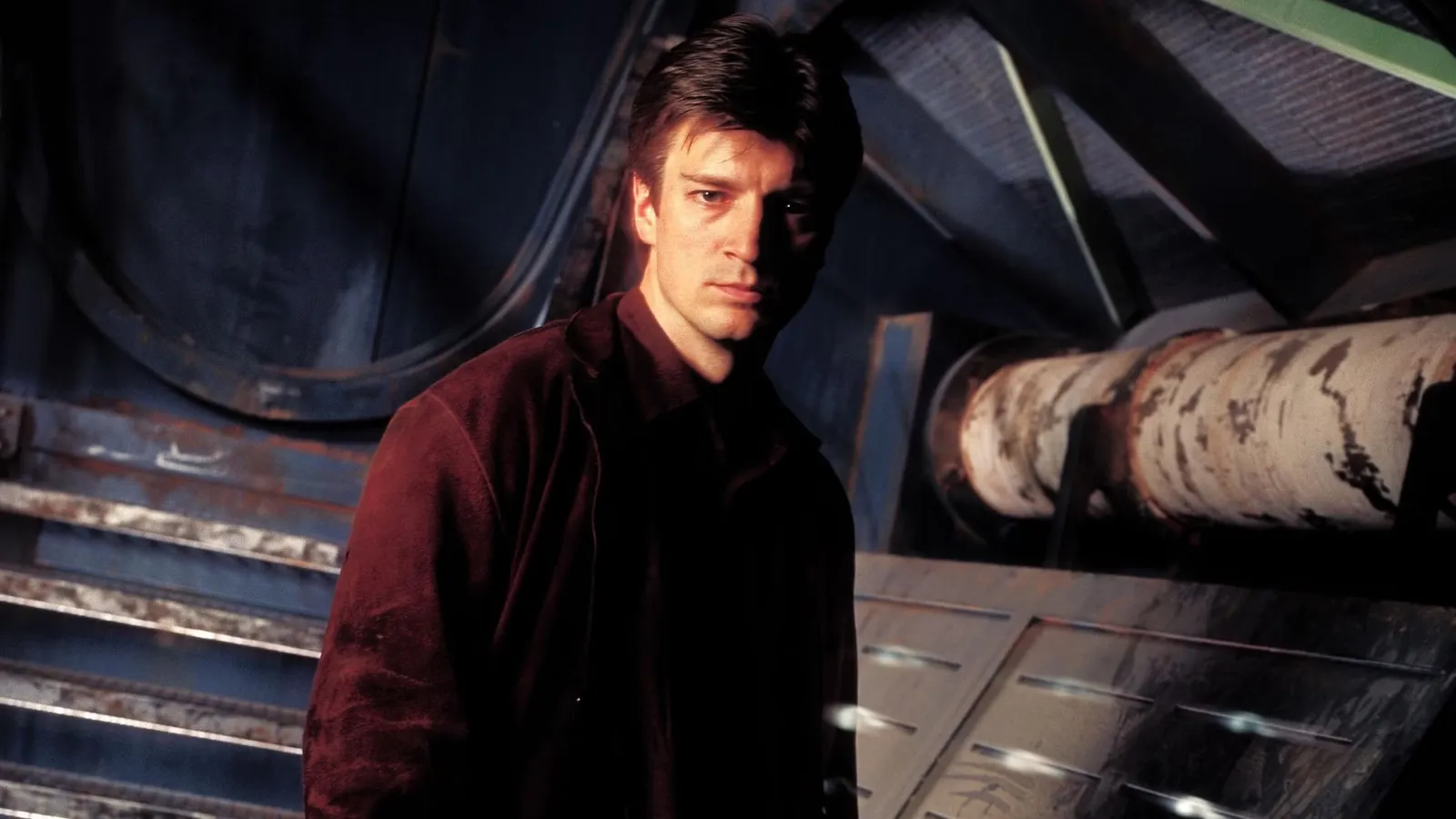
24 years after Mal Reynolds, Nathan Fillion flips his sci-fi hero role in Lanterns
For studio and audience strategists, Fillion’s Lanterns casting shows how nostalgia gets retooled into a fresh kind of hero.