

Anil Menon docks at ISS with Soyuz MS-29, expanding crew to 10 for two weeks
A three-hour, two-orbit Soyuz rendezvous adds new science pushes, from semiconductor crystals to AI-assisted ultrasound.
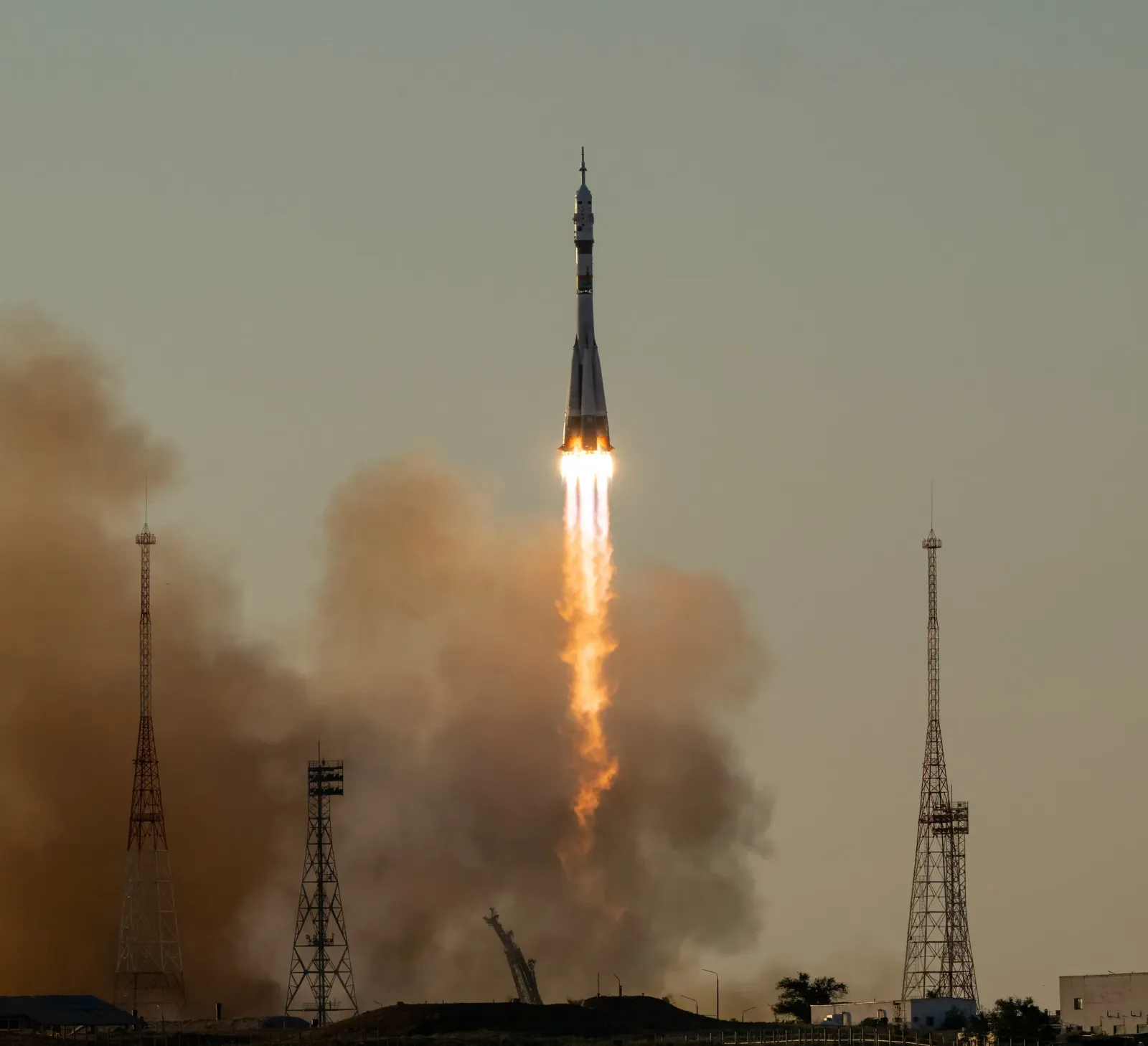
NASA astronaut Anil Menon arrived safely to the International Space Station Tuesday, along with Roscosmos cosmonauts Pyotr Dubrov and Anna Kikina, aboard Soyuz MS-29. Their arrival takes the ISS crew to 10 for about the next two weeks and sets up research aimed at advancing human space exploration and life on Earth.
On Tuesday, July 14, 2026, NASA astronaut Anil Menon and Roscosmos cosmonauts Pyotr Dubrov and Anna Kikina arrived safely at the International Space Station, bringing the station crew to 10 for about the next two weeks. The flight landed at 1:52 p.m. with the docking at the station’s Prichal module after a three-hour, two-orbit journey.
The “getting there” part matters because this is how the ISS continues to stay busy without pausing operations. Menon, Dubrov, and Kikina launched aboard the Soyuz MS-29 spacecraft at 10:47 a.m. EDT (7:47 p.m. local time) from the Baikonur Cosmodrome in Kazakhstan. After hatch opening, expected about 4 p.m., they will be welcomed by the Expedition 74 crew: NASA astronauts Jessica Meir, Jack Hathaway, and Chris Williams; ESA astronaut Sophie Adenot; and Roscosmos cosmonauts Sergey Kud-Sverchkov, Sergei Mikaev, and Andrey Fedyaev.
If you’re an executive, the headline isn’t just “space happened.” It is a live demonstration of how complex, multi-organization systems schedule risk, labor, and money. The ISS is a coalition effort that has to keep crews coordinated across NASA, ESA, and Roscosmos, while also managing the hard constraints of orbital mechanics and time-sensitive spacecraft milestones like launch, docking, and hatch openings. When the crew count increases to 10, that also means more experiments can run in parallel, more gear can be commissioned, and more hands are available for time-critical tasks during the transit-to-operations window.
Menon’s specific mission is heavy on tech that could matter well beyond Earth-bound labs. During his stay aboard the station, he will conduct scientific research and technology demonstrations aimed at advancing human space exploration and benefiting life on Earth. One thread is refining in-space production of semiconductor crystals, targeted at enabling large-scale manufacturing of components needed for high-performance computers, artificial intelligence, and improved medical devices. In plain English, this is about whether space conditions can produce better materials, at a scale that matters for real-world applications.
Another thread goes straight at healthcare operations for future missions: Menon will perform ultrasound using augmented reality and artificial intelligence methods that could eliminate the need for medical support from Earth on future space missions. Think about what that means operationally. For long-duration missions, the cost of “waiting for instructions from back home” can be measured in time, risk, and logistics. If AI-assisted ultrasound workflows can reduce dependence on Earth-based medical support, it changes how mission planners staff and equip crews.
He is also set to act as a test subject to help researchers understand how blood flow is affected in space, with the goal of protecting future astronauts. And he will test bioprinting vascular constructs in microgravity to improve understanding of the aging process and advance therapeutic developments. These are not just science experiments for their own sake. They connect to the biggest practical question for human spaceflight: how to keep people functional, healthy, and repairable when “normal” conditions are gone.
The schedule doesn’t freeze after arrival. Expedition 75 is scheduled to begin on Sunday, July 26, following the departure of Williams, Kud-Sverchkov, and Mikaev as they conclude an eight-month science mission aboard the orbital outpost. A change of command ceremony is set for 9:40 a.m. on Saturday, July 25, as station command transfers from Kud-Sverchkov to Meir, live on NASA+. This rotating leadership cadence is a reminder that ISS operations are not a single moment. They are a sequence of handoffs, each one requiring continuity in data, experiment timelines, and equipment readiness.
For boards, investors, and founders tracking deep tech, the second-order takeaway is that space research is increasingly aimed at “transferable capability,” not just exploration for exploration’s sake. Semiconductor crystal refinement, AI-assisted medical imaging, blood flow research, and microgravity bioprinting are all the kind of capability building that can ripple into earth markets like computing supply chains and healthcare tooling. And because the ISS relies on steady crew staffing and predictable mission turnover, the operational rhythm happening around Menon’s Soyuz arrival is also a signal: the pipeline for experimentation is continuing, and the next handoff is already queued.
NASA’s live coverage of hatch opening begins at 3:30 p.m. on NASA+, Amazon Prime, and YouTube. Menon’s work will continue throughout his stay aboard the station, while the Expedition 74-to-75 transition keeps the outpost moving forward on a defined calendar. Learn more at https://www.nasa.gov/station.
This story's Key Insights and Take-aways are locked.
Create a free account to unlock Executive Actions for one credit.
Register to UnlockAlways free for Executives Club members. Join the Club
More in Science
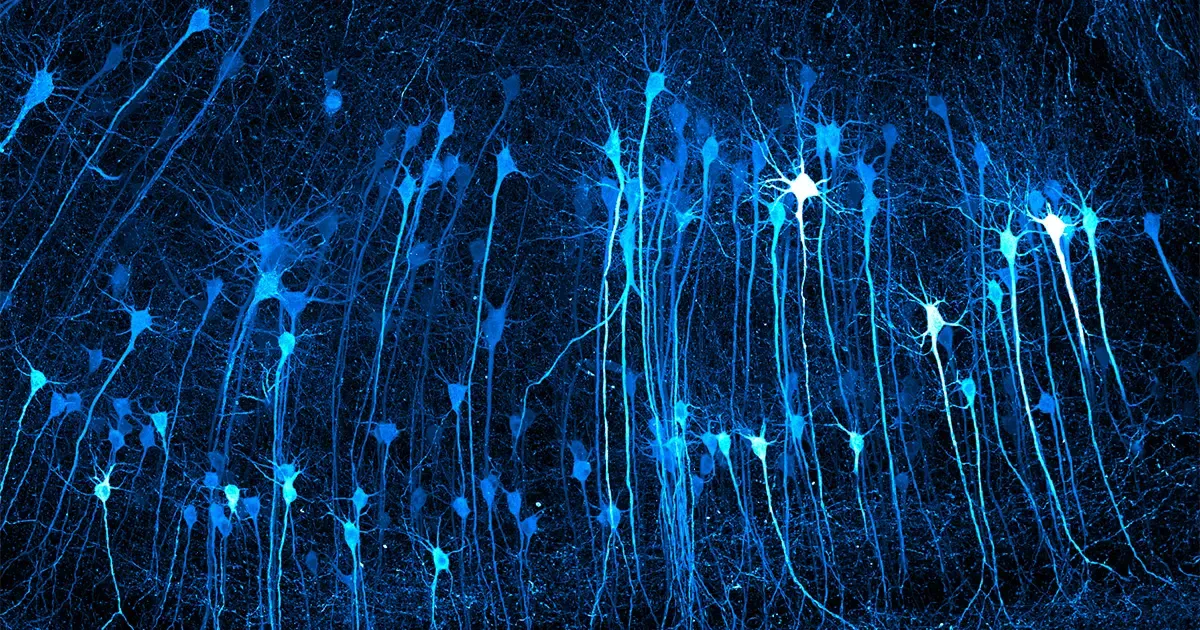
2026 Nikon Small World Winners Reveal the Hidden Machinery of Everyday Life
A mycologist's frozen Edinburgh garden became the backdrop for vivid views inside cells, a reminder of what advanced imaging now makes visible to researchers and the industries built on biology.
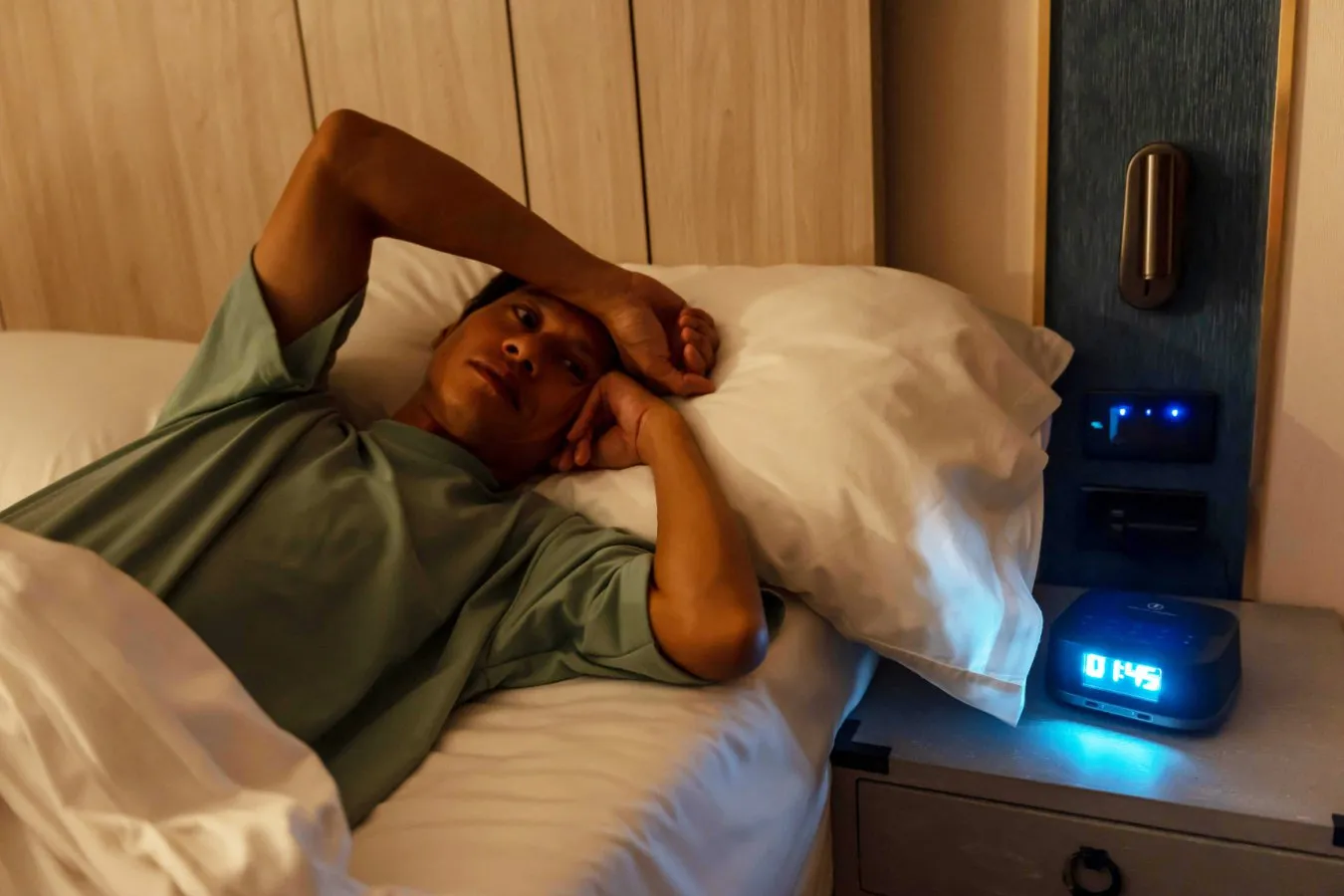
Study: 1 in 4 depression cases may be a body-clock problem, not a chemical one
A 10,000-person study finds standard antidepressants often fail these patients, but melatonin and morning sunlight may hit the real root cause.

Start-Up Says A.I. Designed a Virus to Attack One Patient's Superbug
If the claim holds up, personalized phage therapy could become a new frontline weapon against antibiotic resistance - but proof is far from final.