

Anthony Head dies at 72 after pneumonia complications confirmed by Emily and Daisy Head
The Buffy, Little Britain, and Ted Lasso actor’s daughters confirmed he passed peacefully, and tributes followed fast.
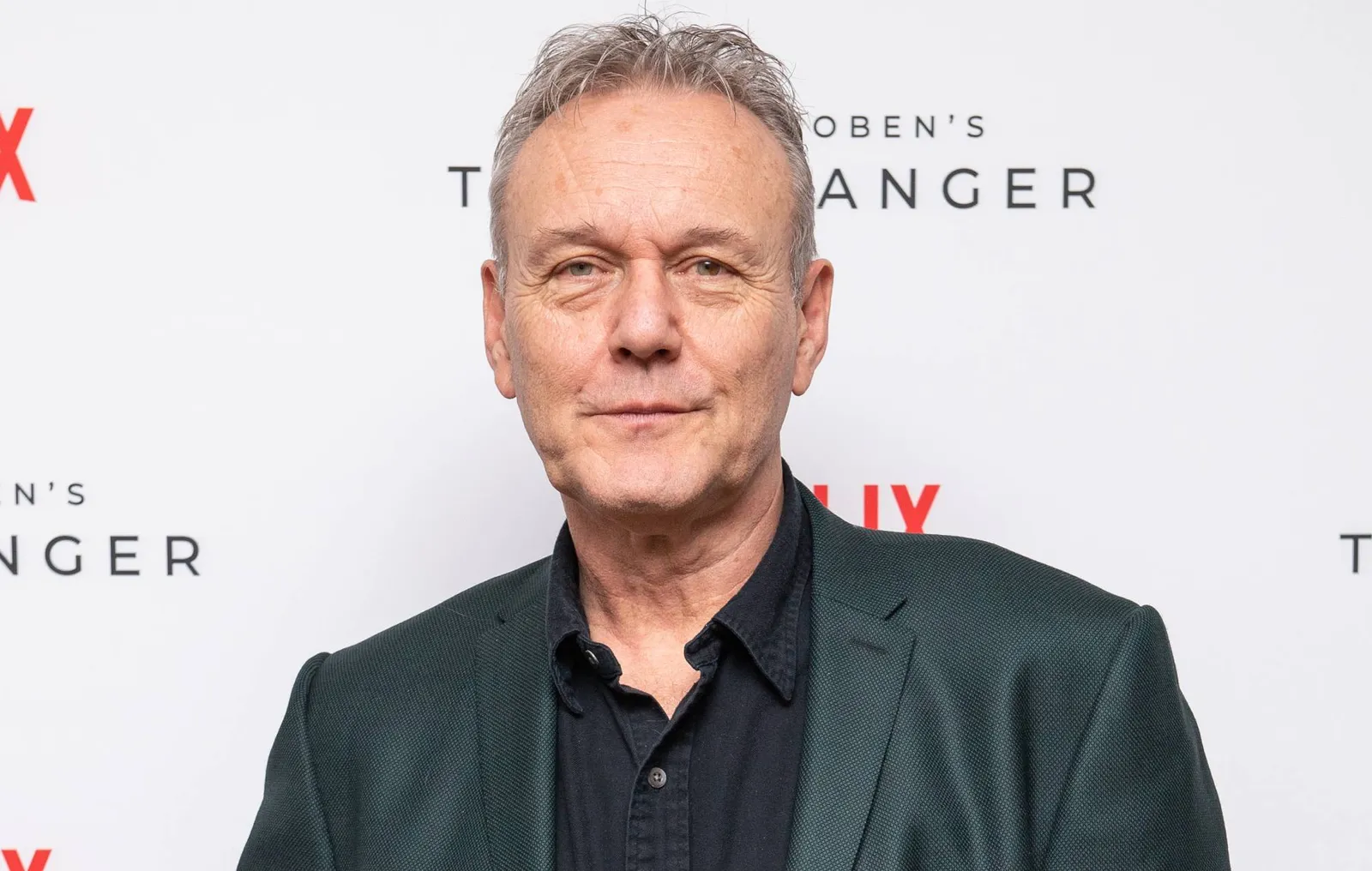
Anthony Head, known for Buffy The Vampire Slayer, Little Britain, and Ted Lasso, has died at 72, with his daughters Emily and Daisy Head confirming the cause. For leaders across media, the news is a reminder that audience memory and brand goodwill are built person by person, not just properties.
Anthony Head, the actor known for Buffy The Vampire Slayer, Ted Lasso, and Little Britain, died at 72 after complications due to pneumonia, according to a statement confirmed earlier today (June 5) by his daughters, Emily and Daisy Head. In their message, they wrote: “It is with heavy hearts that we announce the death of our extraordinary father. He passed away peacefully of complications due to pneumonia, surrounded by his family.”
They added, “It has been, and forever will be, an honour and a privilege to be his daughters, and to have witnessed firsthand the impact both he and his work have had on so many.” For audiences who treat TV like a lived-in world, this is the moment where a familiar face stops being content and becomes a memory. And for executives who build shows, libraries, and long-run audience relationships, it is the kind of loss that changes how catalogs get watched, discussed, and valued.
Head’s signature breakthrough role came as Rupert Giles in the late-’90s supernatural series Buffy. Giles was the mentor, and effectively the surrogate father figure, to Sarah Michelle Gellar’s titular character, which helped bring Head international attention. In other words, he was not just “a character people liked.” He was a structural part of the show’s emotional architecture. When viewers return to Buffy, they are returning not only to storylines but to the steady human presence that made the monster-of-the-week format feel grounded.
In the UK, Head also became widely recognized for playing Prime Minister Michael Stevens in Little Britain. The character was heavily inspired by Tony Blair, and Head appeared in sketches alongside David Walliams’ Sebastian Love, a character who barely concealed his sexual attraction to Stevens. That pairing highlights something media leaders understand but rarely say out loud: comedy casting is brand strategy. The right performer can make a satirical premise land as something more than a one-joke sketch. Head’s recognizable screen energy helped turn the character type into something repeatable, meme-able, and culturally sticky.
More recently, he found success with Ted Lasso, playing Rupert Mannion, the vindictive ex-husband of Hannah Waddingham’s Rebecca Welton. Rebecca formerly owned AFC Richmond and later became the owner of West Ham United. Head’s role matters here because it shows how established actors can anchor premium TV with credible conflict. Rupert Mannion is not a throwaway guest spot. He is part of the show’s longer emotional timeline, where business decisions and personal grudges collide, and where character credibility is what keeps the audience from checking out.
Before he was a TV heavyweight, Head had earlier mainstream visibility through the 1980s as the face of a fondly remembered Nescafe Gold Blend series of adverts. The adverts, and his ongoing romance with a character played by Sharon Maughan, captured public attention between 1987 and 1993. For executives, that kind of cross-medium familiarity is a durable asset, but it also makes public tributes more than ceremonial. When viewers say they “grew up” with someone, that is audience equity. It tends to amplify viewership during anniversaries and seasons, and it can influence how quickly teams get comfortable re-using a familiar talent’s presence in future projects.
Head also appeared as King Uther Pendragon in Merlin and in major television series including Doctor Who, Bridgerton, Motherland, My Family, New Tricks, Jonathan Creek, and Spooks. His film work included The Inbetweeners Movie, alongside his daughter Emily, and Percy Jackson: Sea Of Monsters. He also portrayed Conservative politician Geoffrey Howe in The Iron Lady. That range matters because it places him across different audience segments and formats, from prestige dramas to genre TV. It is the kind of career breadth that broadens a public figure’s cultural footprint beyond any single franchise.
Tributes began immediately. Little Britain co-creator Matt Lucas paid tribute on social media, writing: “When we were casting Little Britain, we were looking for a ‘Tony Head-type', because we never imagined for a moment that the man himself would be interested, but he was. Lucky us. He was unfailingly brilliant, and always so kind and warm. My heart goes out to Daisy and Emily.” The Netflix writer Harlan Coben, author of the novel The Stranger (for which Head appeared in the adaptation), described him as “charming and erudite and funny and open and friendly and so damn talented,” adding that he “brought joy and warmth and sparkle and wonder to every room he entered.”
There is also a personal timeline that anchors why the tributes feel communal. Head previously lost his long-term partner, Sarah Fisher, an animal welfare campaigner, last December at the age of 61. In media terms, that detail reinforces something executives deal with even when schedules and press releases keep moving: real people carry lives outside the frame. When that life ends, the industry hears it twice, once as news and once as a shift in the way colleagues show up for work, interviews, and memories.
Second-order implications are real. For networks, streamers, and catalog owners, the question is not only about memorial airtime. It is about how audiences will revisit the work, and what that might mean for engagement metrics in the days and weeks after a major death. For producers and casting teams, it is a reminder that performers like Head do not just fill roles. They define the tone that makes viewers return. And for boards and executive leadership, the strategic stake is straightforward: audience trust and brand affection are built by talent, and when that talent passes, it changes both the market conversation and the emotional baseline under every future decision involving past franchises.
Head’s death at 72, confirmed by his daughters on June 5, closes a chapter on a recognizable face that moved between genres while staying unmistakably himself. Whether you knew him as Giles, Michael Stevens, or Rupert Mannion, the industry now has to do what it often postpones: honor the human core behind the screen.
This story's Key Insights and Take-aways are locked.
Create a free account to unlock Executive Actions for one credit.
Register to UnlockAlways free for Executives Club members. Join the Club
More in Entertainment

Christopher Nolan’s “The Odyssey” posts his biggest Tuesday haul, surpassing “The Dark Knight’s” record
The film’s Tuesday breakout reframes Nolan’s box-office ceiling and forces competitors to rethink timing, budgets, and release strategy.

Kacey Musgraves cancels Aug. 20, 29, Sept. 2 Middle of Nowhere shows
Ticketmaster emails are telling fans refunds are coming, while the tour still starts Aug. 21 in Chicago.

Billie Joe Armstrong launches Epiphone Les Paul Junior and Marshall 1959BJA signature gear
Two limited releases turn decades of Green Day’s tone into branded hardware, including Marshall’s first artist amp in 14 years.