
Anthropic’s Jack Clark and Marina Favaro push a global AI pause. Critics call it IPO cover.
The company says it is not demanding a pause, only urging competitors to prepare safeguards before limits become law.
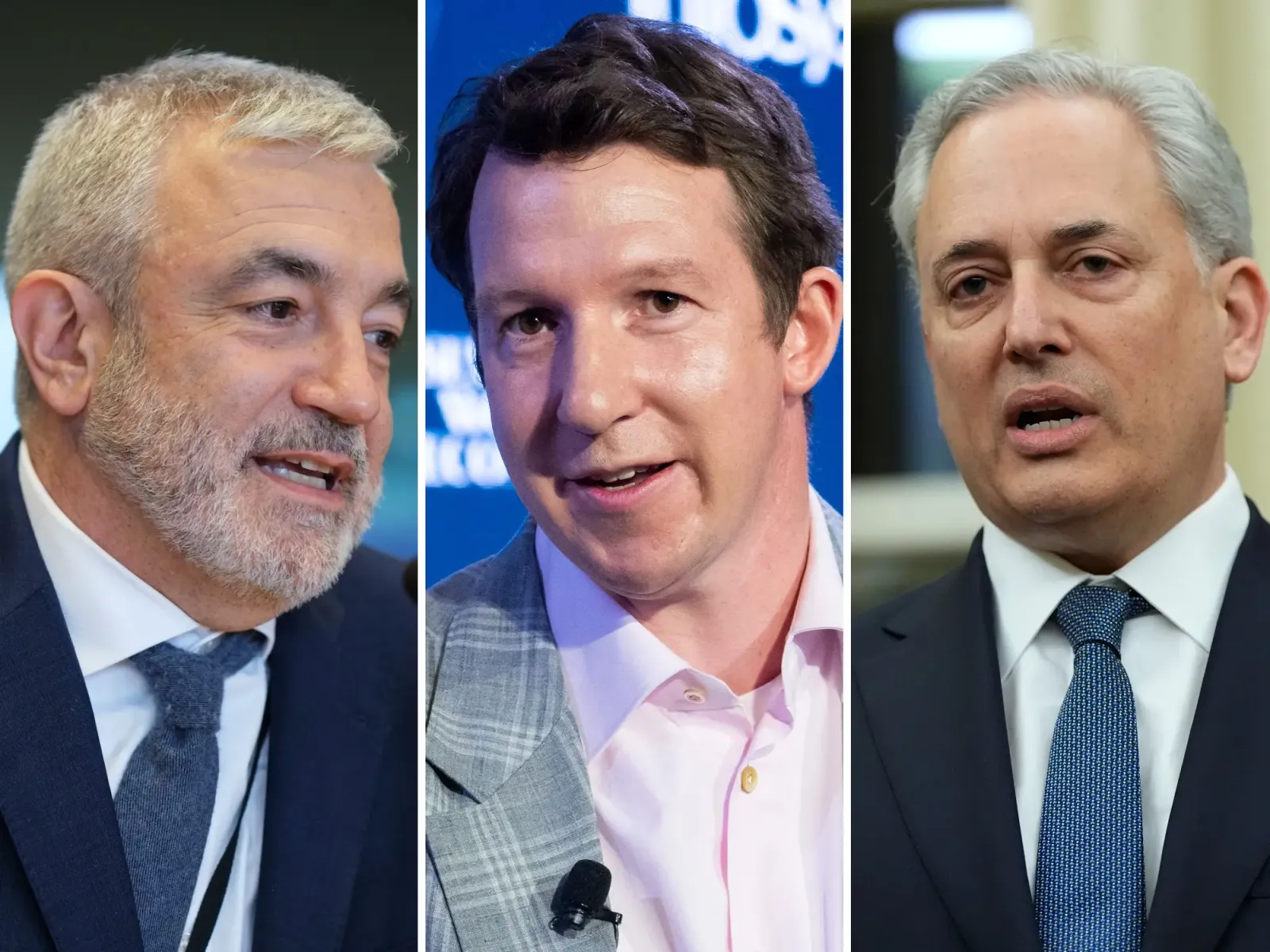
Anthropic cofounder Jack Clark and research institute lead Marina Favaro wrote that leading AI labs should consider an option to slow or temporarily pause frontier development. The proposal is now colliding with politics, competition fears around open weights, and accusations that it could be self-serving timing ahead of an IPO.
Anthropic cofounder Jack Clark and Marina Favaro are not just talking about AI safety. They suggested leading AI companies should consider a global pause option for “frontier AI development,” so societal structures and alignment research can catch up.
In a blog post, Favaro and Clark wrote, “We believe it would be good for the world to have the option to slow or temporarily pause,” and argued that this would enable “societal structures and alignment research to keep up with the advance of the technology.” The idea is immediately taking heat. Even as it is framed as a safety move, Business Insider reports that some in tech are characterizing it as a self-serving effort by a leading AI company that has already begun steps toward an IPO.
So what exactly did Anthropic propose? According to the reporting, the pitch is for frontier AI labs to come together in a partnership similar to how countries monitor nuclear weapons proliferation. But Clark and Favaro stress the world does not have “decades” to wait for such an agreement. That timing matters, because the core tension in AI policy is always the same: regulation typically takes years to draft and enforce, while model capabilities can move fast enough to make yesterday’s rules feel like vapor.
There is also a crucial clarification. An Anthropic spokesperson told Business Insider the firm is not calling for a pause. Instead, Anthropic wants leading competitors to have “systems in place” that would allow for a pause. Given how quickly development is moving, the company wants to “study the topic now” before limitations are deemed necessary. Translation: Anthropic is trying to get the conversation out of crisis mode and into preparedness mode. Critics, however, are treating preparedness as leverage.
That is why the commentary around the proposal is split between safeguards and skepticism, with a lot of the skepticism aimed at the incentives of the biggest labs. Former U.S. Senator Mitt Romney called AI safeguards an “urgent national priority,” saying the risks of AI weapons, pathogens, mass unemployment, surveillance, and even extinction must not keep getting largely ignored. Venture capitalist David Sacks went in harder, posting on X that signs of trying to get a frontier AI lab “nationalized” include comparing the situation to nukes, threatening half of white-collar jobs, warning about recursive self-improvement ending humanity, and then “race ahead anyway.” Sacks did not name Anthropic directly, but Business Insider notes the subject was “abundantly clear” based on past statements and what he wrote.
Others are focusing less on government capture and more on competitive structure. Stanford professor Andrew B. Hall, an advisor to Forum AI and previously an advisor to Meta Platforms, argued that a global pause would have seemed “totally non-credible” until recently, citing events including the EO, Glasswing, and OpenAI’s proposal for beefed-up model review. Hall said he is “skeptical” about how a pause would work, especially for Chinese-based companies or open-source models, and suggested that a narrower agreement might be possible, like slowing consumer release of models separate from development. That distinction matters because it changes what is “paused” and what is just delayed.
Tech journalist Tae Kim warned against what he called Anthropic “FUD,” framing it as scaring “normies” while broader market conditions include “hot jobs” and a potential rate hike. Inworld CEO Kylan Gibbs, who previously worked at Google DeepMind, offered a different angle: he said Anthropic may be laying groundwork to shape AI regulations in its favor. His argument is incentive-based. If you convince governments AI is dangerous, officials may trust you when it comes time to regulate, giving you a first-mover role in shaping rules. He specifically tied that to possible outcomes such as limiting open-source rivals and controlling GPU exports to China, and said large incumbents have a history of pushing regulations they can “pay their way through,” disadvantaging smaller companies that lack legal resources.
Meanwhile, AI researcher Gary Marcus says people should read the full details “carefully,” arguing that Anthropic wants “it both ways.” Marcus wrote that the company does not actually want a pause, instead rushing ahead while hinting at “least cautious actors” for justification. He called the suggestion an “incredible, cost-free piece of rhetoric,” “perfectly timed for the IPO,” and said it is unlikely it will be taken. Luis Garicano, a London School of Economics professor and former European Parliament member, framed the worry around “open weights,” writing that frontier companies are concerned about them because open weights threaten the profitability of frontier models. He argued that if companies scare others into forbidding open weights, the natural move becomes allowing only “trusted developers.” Johns Hopkins professor Francesco Bianchi also questioned motives, saying it is convenient for a market leader to ask to freeze the status quo if the risk is real.
Finally, there are the incentives that do not require conspiracy. Jen Zhu Scott, cofounder and CEO of Power Dynamics, said Anthropic is “running out of compute and energy.” Her view treats the pause conversation not as manipulation but as operational pressure, implying that constraints could push a strategic narrative.
For executives at AI companies, boards, and investors, the second-order stakes are obvious: any move toward coordinated “pause” mechanisms immediately becomes a contest over who gets to define acceptable risk, who gets exemptions, and which rivals get boxed out first. Even if Anthropic insists it is not calling for a pause, the company is asking competitors to prepare systems that would enable one. That means the real question is not whether a pause is coming. It is whether the biggest labs can use the pause discussion to shape the regulatory and competitive environment before limits harden into enforceable rules.
This story's Key Insights and Take-aways are locked.
Create a free account to unlock Executive Actions for one credit.
Register to UnlockAlways free for Executives Club members. Join the Club
More in Technology

OpenAI says 10,000 agents cracked a 90-year math problem in 88 hours
The company's claim is audacious, but one mathematician is pushing back. Here's what it means for AI-driven discovery.
Meta still serves child sexual abuse ads on Instagram in India - BBC report
A new report following the BBC Eye investigation says the ads are still there - what it signals for every platform with a self-serve ad engine.
White House yanks 'Build the Wall' game after Tetris Company copyright warning
The administration's arcade game vanished in hours - and the takedown playbook every brand can learn from.