

AOC urges breakups of big tech, saying they want “totally unchecked power”
Rep. Alexandria Ocasio-Cortez argues large tech firms act like governments amid price hikes, and policymakers must respond.
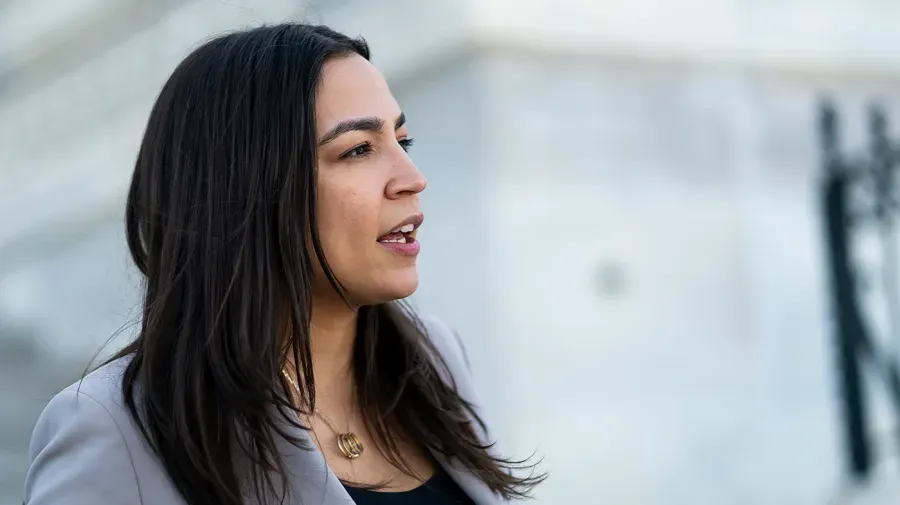
Rep. Alexandria Ocasio-Cortez (D-N.Y.) called for breaking up large technology companies, saying they seek “totally unchecked power” and behave like governments. The immediate consequence for decision-makers is a renewed push for antitrust scrutiny that could reshape market structure, pricing leverage, and governance.
Rep. Alexandria Ocasio-Cortez (D-N.Y.) says big technology companies should be split up, arguing they want “totally unchecked power.” In an interview with Fox News posted Sunday, she framed the core problem as concentration: “The problem that we have is that these big companies, they think they are governments, they want to be governments.”
That’s not just a political soundbite. The way she ties company power to consumer-facing outcomes like price hikes puts antitrust back in the spotlight as an economic lever, not only a legal one. When a lawmaker publicly argues that large tech firms operate with government-like authority, regulators and boards have to assume the conversation will move from speeches to enforcement posture, investigations, and pressure for structural remedies.
Why does this matter to executives and investors, not just activists? Because structural breakups are the highest-stakes end of the antitrust spectrum. Smaller remedies like voluntary policy changes, consent decrees, or narrower conduct limits can be managed. Breakups, however, change the business model: data flows, distribution channels, pricing coordination risk, and the economics of platform services. Even if no company is ultimately forced to split, the mere threat can alter strategic planning, partnership structures, and how leadership thinks about long-term moats.
AOC’s “unchecked power” framing also lands in a period where scrutiny of technology and pricing is politically potent. When prices move, public anger typically seeks a villain that can be named. Large tech companies are built for scale and reach, and that makes them easy to characterize as quasi-governments in people’s daily lives. Her language suggests she views the companies less as neutral marketplaces and more as institutions that can set rules without enough accountability.
From a regulatory standpoint, that matters because antitrust cases are rarely only about one claim. They are about market power, incentives, and what happens when a single gatekeeper becomes too central. If policymakers interpret big tech power as government-like, they can justify stronger theories of harm, including concerns about barriers to entry and the ability to charge what the market will bear. For decision-makers, that creates a scenario where compliance teams cannot stop at “we follow the rules.” They need to prove the rules are actually working, and that competitors can access the essentials to compete.
Boards should also pay attention to how these debates affect capital markets. Even when enforcement does not immediately produce a breakup, uncertainty can change valuations by raising risk premiums. Investors tend to discount outcomes tied to regulatory timelines and remedies. If the public narrative becomes “break them up,” the market often starts pricing in probability, even before any final determination. That can affect financing decisions, merger strategy, and the cost of capital for firms perceived as most exposed.
There is also an internal governance angle. When lawmakers go after a company’s legitimacy, executives have to think beyond legal compliance into stakeholder management. The question becomes whether leadership can credibly demonstrate accountability, explain pricing decisions in a way that survives scrutiny, and show that competitors benefit from the platform ecosystem. In other words: if a legislator claims the company behaves like a government, the company has to demonstrate it is not operating with the same incentives or insulation.
Finally, the strategic stake for peers is straightforward: AOC is not just commenting. She is articulating a direction. Her argument that big companies want “totally unchecked power” signals that structural remedies, not only conduct limits, may be part of the policy toolbox lawmakers are ready to use. For other executives, the takeaway is clear. Antitrust risk is no longer confined to legal filings and quiet settlements. It is becoming a mainstream narrative tied to pricing and everyday consumer experience, and that means the boardroom calculus will increasingly include the probability of structural change.
This story's Key Insights and Take-aways are locked.
Create a free account to unlock Executive Actions for one credit.
Register to UnlockAlways free for Executives Club members. Join the Club
More in Politics
House again forces Iran war powers vote after Republicans join Democrats a second time
Second rebuke repeats the same pattern: a cross-party bloc demands authorization, raising new friction for the president.

No 10 North blueprint targets up to 300 staff in 18 months
A think tank plan sketches a sizable No 10 workforce timeline, forcing ministers to confront staffing, cost, and control fast.

Burnham backs 20% cut to English pub business rates, not hotels or restaurants
From next April, some hospitality firms get a discount but hotels and restaurants are left out of the 20% break.