
Apple drops the Neuromancer trailer and Jan. 22 premiere, betting on a long-called unadaptable cyberpunk
Callum Turner’s Case joins a heist in Apple TV’s Gibson adaptation, airing two episodes Jan. 22 before weekly release.
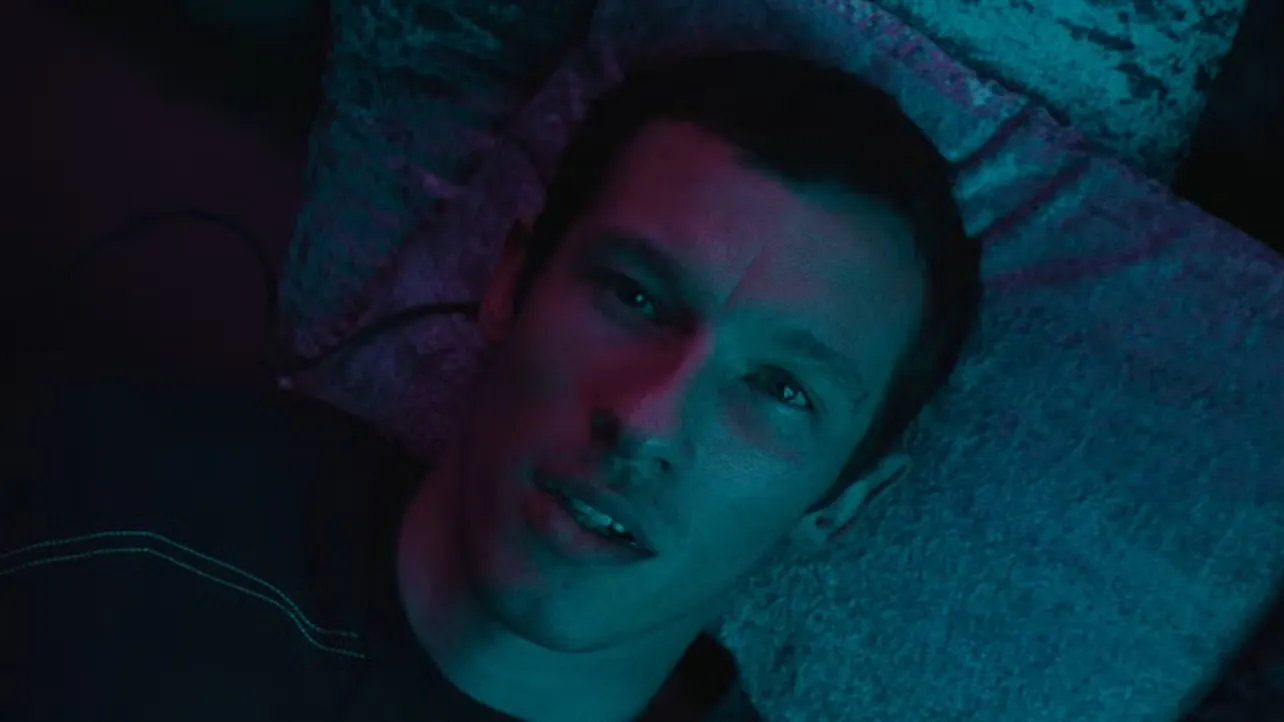
Apple TV unveiled a first-look trailer for Neuromancer at San Diego Comic-Con on Saturday, setting a Jan. 22 premiere and revealing the first two episodes will land then. The decision matters for executives because it turns a decades-old “unadaptable” property into a mainstream streaming release with a full 10-episode arc.
Apple TV used San Diego Comic-Con to do something that sounds almost impossible on paper: adapt William Gibson’s “Neuromancer,” a 1984 novel often described as “unadaptable,” and attach it to a real schedule. The streamer unveiled a first-look trailer for the series and set a January release date, with a Jan. 22 premiere for the first two episodes.
The headliner in the footage is Callum Turner, who plays Case, a “powerful hacker” enlisted to pull off a heist. The brief trailer signals the tone Apple is chasing, leaning into expansive Japanese cyberpunk settings with samurai influences, luminous visual effects work, and bloody fight sequences. In other words: Apple is not treating this like a niche adaptation for the faithful. It is packaging it like a flagship genre event.
For decision-makers, the interesting part is less the trailer and more the commitment baked into the rollout. Apple also confirmed that after the Jan. 22 arrival of the first two episodes, a new episode will debut weekly through March 19, completing a 10-episode run. That cadence is not incidental. Weekly releases tend to extend conversation and keep churn lower, while a 10-episode structure signals Apple expects a sustained viewer journey, not a one-week burst.
This matters because “Neuromancer” has a reputation for being hard to move into mainstream screens. Gibson’s novel has been widely regarded as a landmark science-fiction work and one of the first “cyberpunk” novels. But it has also been described for decades as “unadaptable,” with reasons that are visible even to non-literary audiences: a large cast of characters, slang-heavy prose, and an ambitious cyberspace setting. Apple’s bet is that it can translate the book’s “unadaptable” elements into cinematic language without losing what made it influential in the first place.
Apple is also leaning on a recognizable production backbone to make that translation more likely. The series received a series order in February 2024, with Graham Roland and J.D. Dillard serving as series creators. Roland is showrunner, and Dillard directs the pilot. In streaming terms, showrunner and pilot director roles are where tone gets locked early. If you are an executive watching this, you are watching Apple decide who holds the steering wheel at the exact moment the adaptation either becomes coherent or turns into expensive fog.
The cast lineup adds another layer. Along with Turner, the series includes Briana Middleton, Joseph Lee, Mark Strong, Clémence Poésy, Peter Sarsgaard, and Emma Laird. Additional cast members set to appear include Max Irons, André De Shields, Isabella Pappas, and Dane DeHaan. That breadth matters for “book-to-screen” projects because a novel with a swath of characters needs screen time distribution that feels deliberate, not random. The trailer’s world-building emphasis suggests Apple is aiming to make the setting do some of the storytelling heavy lifting, especially around cyberspace and high-stakes hacking.
Second-order implication: if Apple can make “Neuromancer” feel legible to general viewers, it could quietly reshape what studios and streamers believe is “safe” to adapt from dense, style-heavy science fiction. The industry has plenty of precedent for translating action and plot, but Gibson’s work has often been seen as inseparable from voice and subculture. Apple’s approach could encourage more risk-taking around properties that have strong reputations but are tagged as too complex, too slangy, or too abstract.
And it is not only “Neuromancer” that Apple showcased at Comic-Con. The streamer also unveiled a trailer for its toy adaptation “Matchbox: The Movie,” which debuts on the platform on Oct. 9. Taken together, it signals a broad content strategy: Apple is spending across different audience lanes, but it is still placing meaningful bets on IP with built-in cultural gravity. For peers, the takeaway is blunt. If you are sitting on a board deciding what kind of genre risk to take, Apple is drawing a line from legacy science-fiction prestige to a mainstream, scheduled, weekly viewing product.
There is no official word yet on plans to adapt Gibson’s two sequel novels to “Neuromancer.” But executives should treat that “no word yet” as a variable, not a stop sign. The series order, the release date, the weekly run through March 19, and the full 10-episode structure all create a runway for follow-on decisions. If this launches cleanly and holds attention, the sequel question gets easier. If it stumbles, the industry learns an expensive lesson about what “unadaptable” really means in the age of streaming.
This story's Key Insights and Take-aways are locked.
Create a free account to unlock Executive Actions for one credit.
Register to UnlockAlways free for Executives Club members. Join the Club
More in Entertainment

Ali G's 'stooge' says he was in on joke, outplayed Sacha Baron Cohen
A 54-year-old aspiring actor says he recognized Sacha Baron Cohen mid-shoot, kept his MAGA act up, and let the film-makers think they had fooled him.

Entertainer Russell Brand denies 7 sex charges amid accuser's 'couldn't breathe' claim
The alleged victim's account sharpens the reputational and legal stakes for Brand, his platforms, and any business tied to a public figure under criminal scrutiny.

Russell Brand's accuser 'bewildered and confused' as he denies 7 sex charges
The criminal case against the comedian is a live test of how media companies manage talent risk when serious allegations go public.