

Apple TV drops Neuromancer release date: Friday, January 22, 2027
Graham Roland, Case, and a new trailer set up a January debut followed by weekly episodes through March 19.
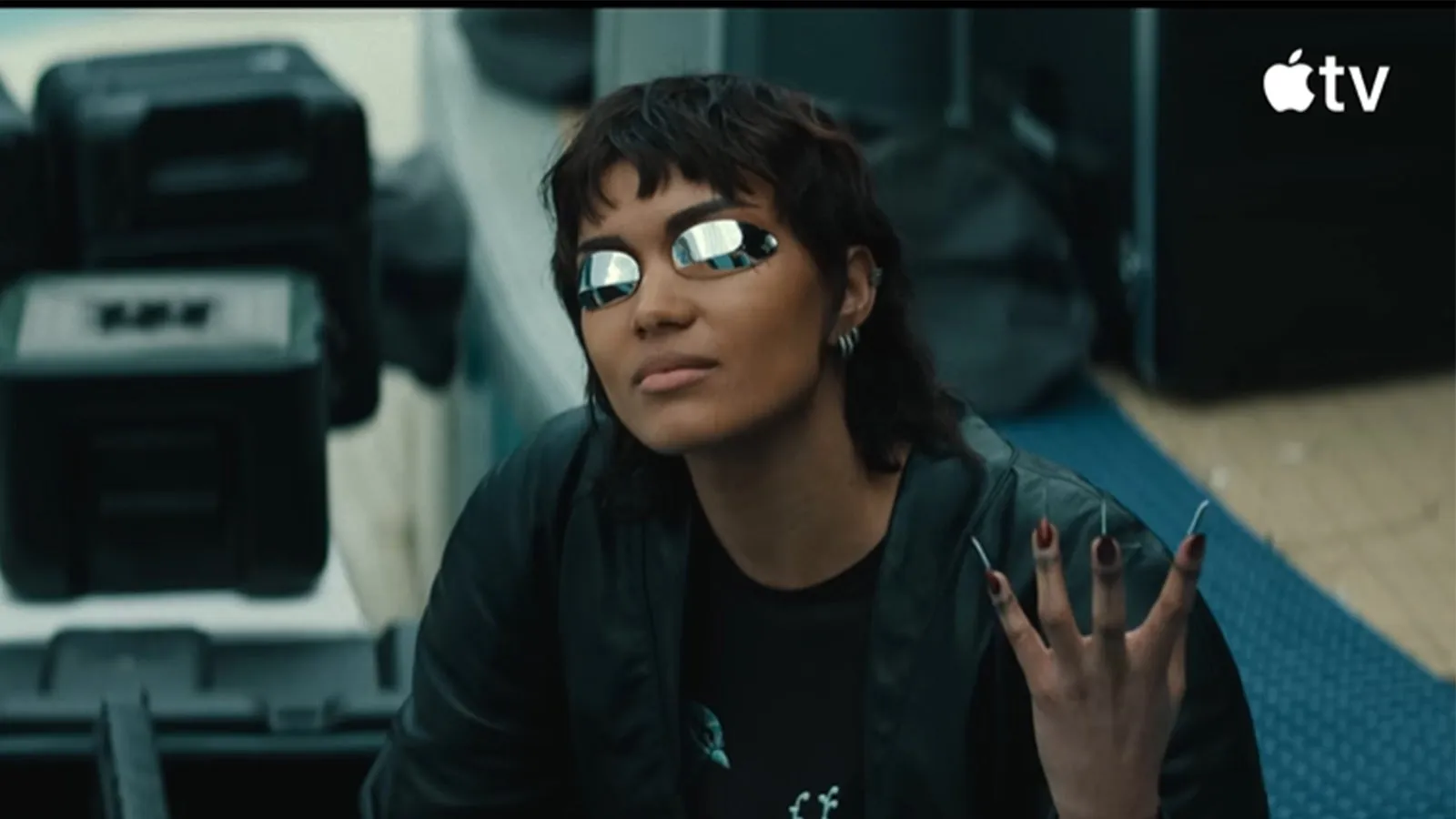
Apple TV announced that Neuromancer will premiere on Friday, January 22, 2027, during its San Diego Comic-Con 2026 Hall H panel. Showrunner and executive producer Graham Roland tied the timing to William Gibson's themes, and framed Case as the focus as episodes roll out weekly through March 19.
Apple TV just gave Neuromancer a real date, not a vibes-based promise. The series is coming to Apple TV on Friday, January 22, 2027, after the show’s San Diego Comic-Con 2026 Hall H panel introduced a fast-paced first look and detailed what’s next for the cyberpunk adaptation.
During that Apple TV panel, showrunner and executive producer Graham Roland confirmed the schedule and then immediately answered the “why now” question. In his framing, Neuromancer is being revisited because the book’s ideas are no longer futuristic. “42 years ago, this book felt like true science fiction,” Roland said. He also pointed out that William Gibson coined the term “cyberspace” before the internet existed, and wrote about “the collision of artificial intelligence and human intelligence before artificial intelligence existed.” Now, Roland argued, “we’re living in a world 40 years later where these things are a part of our everyday lives.”
That “timing” argument matters for executives, because it is doing double duty. It is creative justification, but it is also a market signal. Cyberpunk has always lived at the intersection of technology and cultural anxiety, and the show’s positioning leans into that intersection rather than treating it as pure aesthetic. When executives sell a property like this, they are selling more than story. They are selling relevance, and relevance determines whether audiences feel the show is urgent or just nostalgic. Roland’s case is that the world has “caught up” to Gibson, turning what once felt like speculation into something closer to daily experience.
The panel also clarified who the show is actually for, because it is anchored on a specific protagonist. Roland said the series is focused on Case, the book’s central character and “resident console cowboy,” played by Callum Turner. Roland described Case as “an atypical protagonist,” calling him a criminal, rough around the edges, and a survivor. He added that in the book there is “no mention of his family,” and that Case is “an orphan” acting on instinct and desperation. Then Roland made the practical adaptation promise: “One of the things that’s very important is that this is Case’s story, you’re following him. The charisma needs to carry you for 10 episodes.” In other words, this is not a sprawling ensemble pitch. It is a character-first survival story built to hold attention across ten weekly installments.
Turner was not physically at Comic-Con, but he sent a video message that glitched and then eventually led into a teaser for the show. Turner said, “We’re building something special with Neuromancer,” and he reiterated Gibson’s impact: “He didn’t just give us cyberspace, he helped us define the entire cyperpunk genre. This is just your first access point.” He also delivered the tagline energy that Apple TV marketing tends to love: “The future is in your mind.” Strategically, that matters because it bridges three worlds at once: legacy fandom (Gibson), genre identity (cyberpunk), and modern binge-era appeal (first access point, future-in-your-mind messaging). This is how you move from “serious adaptation” to “must-watch stream.”
The trailer, now live on YouTube, supplies the sensory proof. It shows Briana Middleton as Molly with her mirror eyes and deadly fingernails, the look that earns her the moniker “razorgirl.” It also gives viewers Mark Strong as Armitage. The tone is described as dark, gritty, and intense, and it leans hard into the cyberpunk setting you expect from Neuromancer. That tone is not just an artistic choice. For Apple TV, it is also a differentiation play in a crowded market where “prestige” too often flattens into bland seriousness. Dark, gritty, intense is a clear lane.
Neuromancer also has momentum from earlier reveals. This latest big reveal follows Apple TV+ sharing a first look at the series with a 25-second clip two weeks ago. In that clip, someone (presumably Case) pushes a button on a retro computer console. The camera then pans up to a TV screen displaying “Ashpool-1” and the opening line of Gibson’s novel: “The sky above the port was the color of television, tuned to a dead channel.” That continuity is important because it ties the adaptation to recognizable source moments, not just to overall vibes.
On the production side, Gibson is executive producer alongside Roland, JD Dillard, and Jennifer Haley. Dillard directed the first three episodes, with two of those premiering on Apple TV starting January 22, 2027. After that, episodes drop weekly on Fridays through March 19, 2027. There are ten episodes in all. For decision-makers, the release cadence is not incidental. Two episodes on day one is a familiar retention tactic, but the weekly cadence through March 19 is also a scheduling commitment that impacts marketing cycles, subscriber engagement, and how long the show stays in the conversation. It is designed to be a rhythm, not a moment.
If you are an executive, founder, investor, or operator watching from the sidelines, the second-order implication is straightforward. Streamers are increasingly using IP that can credibly claim cultural relevance, not just fan service. Neuromancer is being pitched as both an adaptation and an argument about technology’s present tense. If Apple nails the focus on Case and sustains charisma “for 10 episodes,” it sets a template for how to monetize legacy genre texts in an AI-soaked era. If it misses, it will be a cautionary tale about when “the future is now” marketing flips into “we’ve seen this genre already.”
This story's Key Insights and Take-aways are locked.
Create a free account to unlock Executive Actions for one credit.
Register to UnlockAlways free for Executives Club members. Join the Club
More in Entertainment

Ali G's 'stooge' says he was in on joke, outplayed Sacha Baron Cohen
A 54-year-old aspiring actor says he recognized Sacha Baron Cohen mid-shoot, kept his MAGA act up, and let the film-makers think they had fooled him.

Entertainer Russell Brand denies 7 sex charges amid accuser's 'couldn't breathe' claim
The alleged victim's account sharpens the reputational and legal stakes for Brand, his platforms, and any business tied to a public figure under criminal scrutiny.

Russell Brand's accuser 'bewildered and confused' as he denies 7 sex charges
The criminal case against the comedian is a live test of how media companies manage talent risk when serious allegations go public.