
Apple unveils AI-powered Siri at its developer conference, Tim Cook’s final year
The iPhone maker’s new Siri and AI products arrive at WWDC, with implications for platform power and AI policy debates.
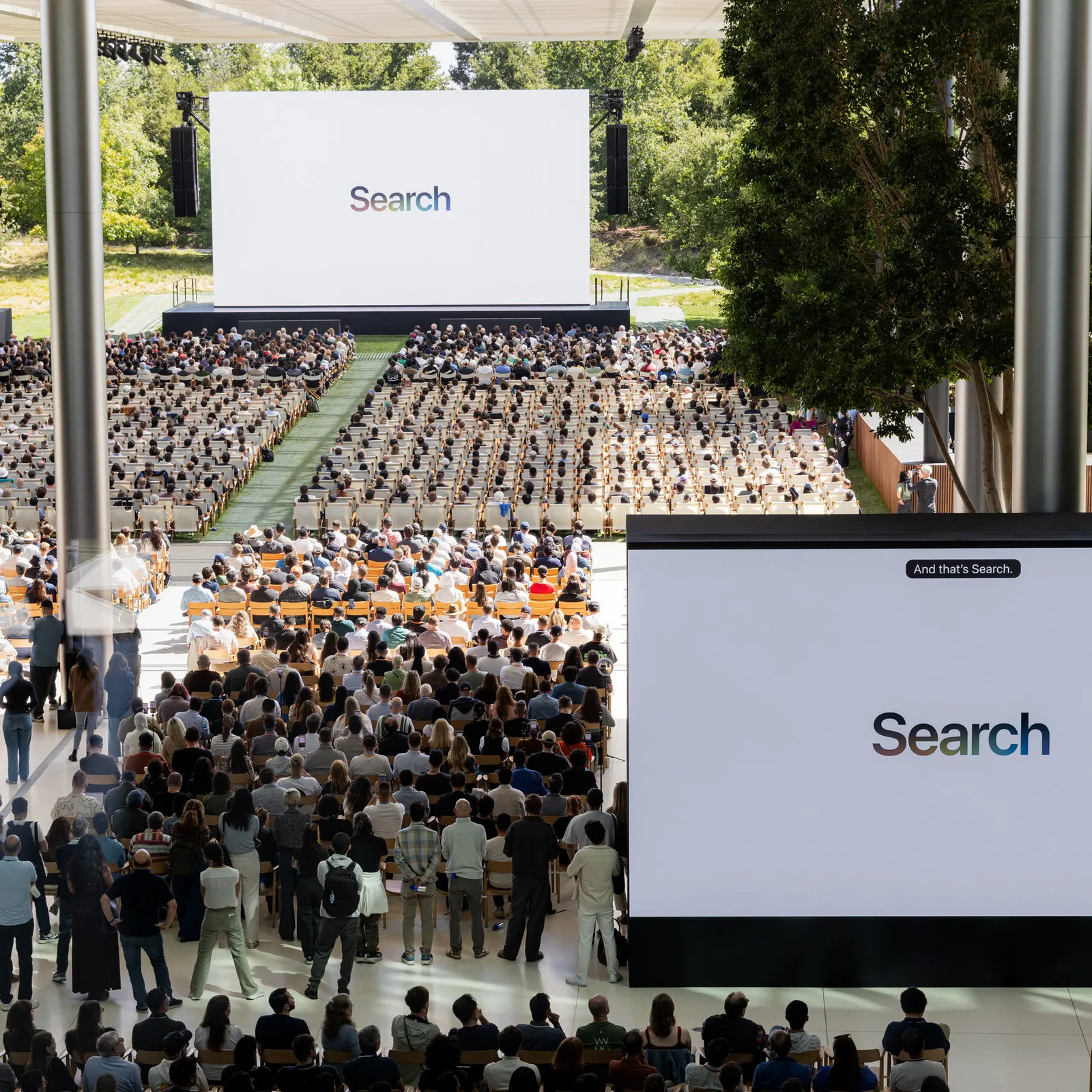
Apple revealed new AI-powered Siri and other artificial intelligence products at its developer conference. The reveal marks the last WWDC with Tim Cook as chief executive, making it a spotlight moment for how Apple wants its platform to handle the next computing layer.
Apple revealed new artificial intelligence products at its developer conference, the last with Tim Cook as chief executive. The centerpiece of the announcement was a new artificial intelligence-powered version of its Siri digital assistant. If you have been watching the AI race, this is the kind of move that matters because it forces the question of who gets to sit closest to the user: the phone, the assistant, or the cloud.
In this briefing, the timeline matters. Apple’s developer conference reveal comes in the specific moment when Tim Cook is still the chief executive, and this is framed as the last such event under his leadership. That makes the announcement feel less like a standalone product update and more like a direction-setting statement for the company’s next chapter, especially at a conference designed for developers building on Apple’s ecosystem.
WWDC, by design, is where Apple talks to two audiences at once: developers who need clarity on what is coming, and enterprise and investor observers who need signals about platform control. When Apple updates Siri with AI, it is not just improving a feature. It is re-laying the operating model for how users interact with their devices, and, by extension, how developers get access to user intent. In a world where AI has started to blur the boundaries between search, recommendations, and voice control, the assistant becomes an interface to everything else.
There is also a regulatory undertone that sits under almost every major AI product rollout now, particularly for consumer platforms. Regulators across regions have focused on questions like data access, default choices, and competition. Apple’s role is inherently sensitive because Siri is deeply embedded into iPhone and broader Apple experiences. When a company with Apple’s scale changes how an assistant works, it changes what gets surfaced, what gets blocked, and what developers can build. Even without new regulations named in the original report, the direction is clear: AI features have become central to debates about transparency, user control, and platform power.
Then there are incentives and corporate dynamics. A new AI-powered Siri is likely to require developer tooling, new system behaviors, and new ways to test and integrate. Apple tends to move carefully here, but the strategic pressure is real. Competitors have pushed AI features across phones and apps, and the market expects assistants to become more capable, more conversational, and more task-oriented. Apple’s developer conference is the venue to make that expectation real, while also keeping the developer ecosystem aligned with Apple’s rules.
For executives, this is where second-order implications show up. If Siri is upgraded with AI capabilities, it can reshape user habits from “tap an app” to “ask a question” or “delegate a task.” That shift can affect app distribution economics and developer roadmap decisions, because it changes the funnel. It can also affect how security and privacy are handled, since assistants that operate on-device or in hybrid modes have different risk profiles than ones that rely more heavily on external services.
Finally, there is the leadership signal. The report explicitly frames this reveal as the last WWDC with Tim Cook as chief executive. That matters because board-level transitions often bring a surge of emphasis on legacy-defining bets. Whether or not you connect the dots personally, the practical read for decision-makers is straightforward: Apple is using a major platform moment to anchor its AI strategy to Siri, a familiar product with massive distribution. That is a high-stakes move for peers, because it suggests Apple wants to keep AI inside its ecosystem rather than letting third parties become the default layer between users and services.
If you are a founder, operator, or investor watching where the next interface will live, Apple’s WWDC AI announcement is a reminder that AI is not only a model race. It is also a platform race. The first two paragraphs of this story confirm the what and the when, and the broader point is even more consequential: whoever controls the assistant controls the conversation, and the conversation becomes the product.
This story's Key Insights and Take-aways are locked.
Create a free account to unlock Executive Actions for one credit.
Register to UnlockAlways free for Executives Club members. Join the Club
More in Technology

Ninja Theory cancels Project Mara, ending its 2020 psychological horror push
After announcing Project Mara in 2020, Ninja Theory says it is no longer working on the game.

Apple’s slow AI bet is paying off, as TechCrunch flags a race narrative shifting
Apple’s new AI push is changing the conversation from “behind” to “actually ahead,” and it matters to everyone shipping AI.
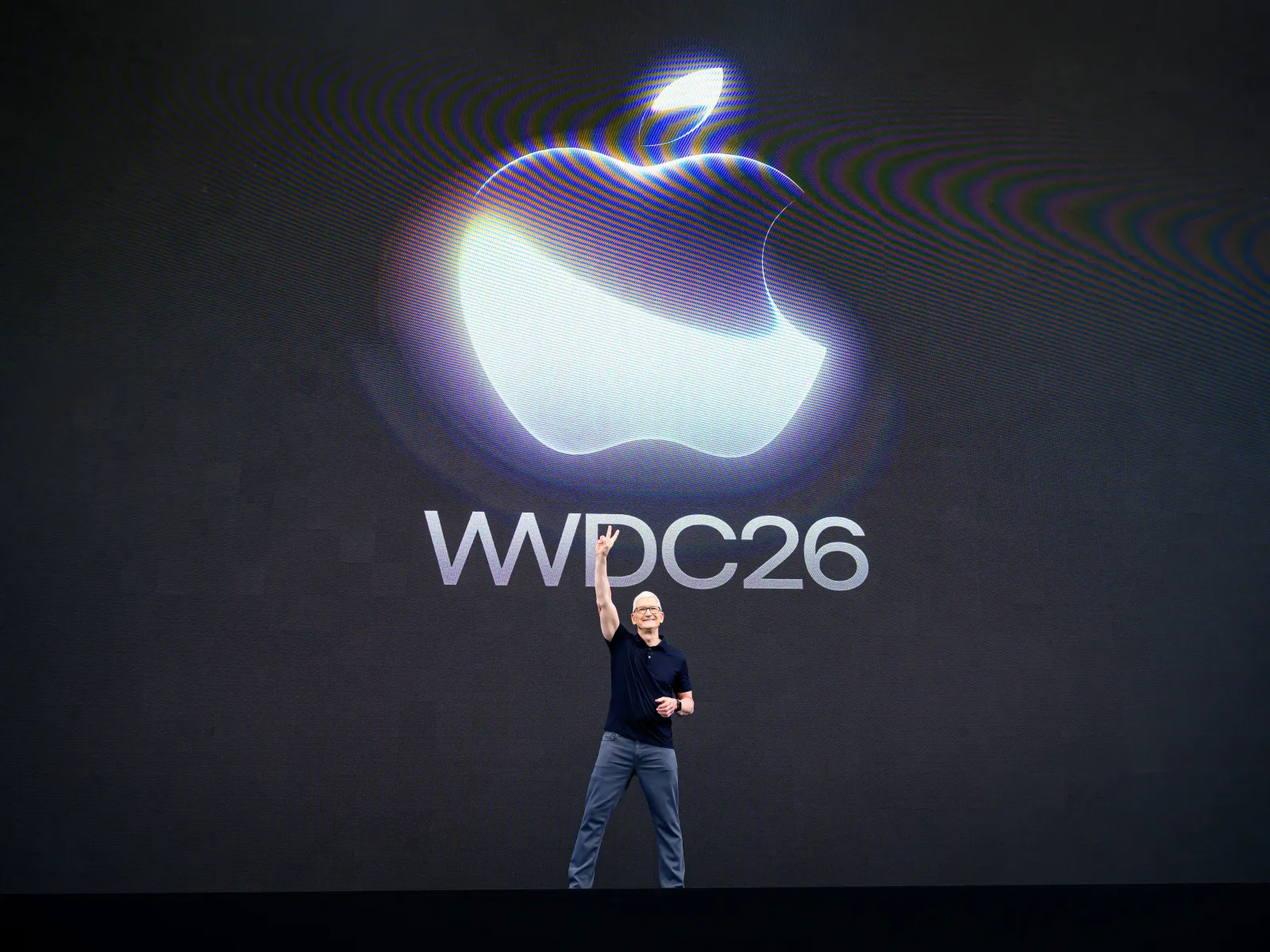
Apple’s Siri AI demo returns after 2024 delays, and analysts say it could drive hardware sales
At WWDC 2026, Apple overhauled Siri with Apple Intelligence models tied to Google, plus new AI features and child safety updates.