
Ariana Grande calls White House use of her song 'heinous nonsense' and demands it stop
The singer joined other artists pushing back on Donald Trump’s team for using her music in a White House video.
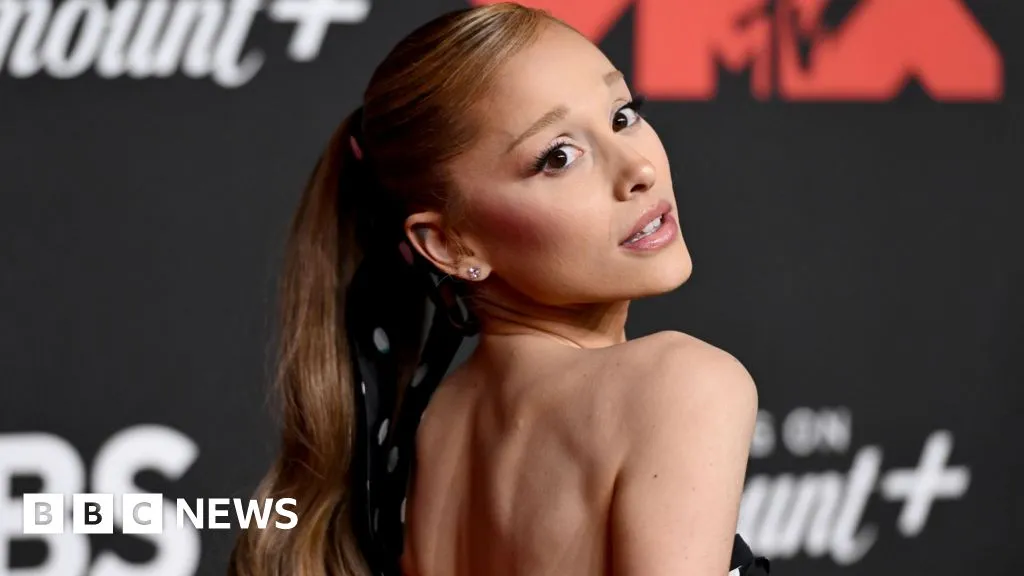
Ariana Grande called a White House video using her song 'Bye,' calling the move 'heinous nonsense.' She joined multiple artists demanding that Trump’s team not use their music.
Ariana Grande has directly pushed back on the White House video that used her song 'Bye.' In the BBC report, Grande made the call and characterized the use of her music as 'heinous nonsense,' joining multiple artists who are publicly demanding that Donald Trump’s team stop using their work.
That detail matters for decision-makers because it spotlights a familiar, high-friction collision: political communications want scale and speed, while artists want control, consent, and clear rules around how their songs are deployed. Grande is not just complaining generally. She is pointing at a specific use tied to a specific White House video, which makes the issue operational, not abstract. For anyone managing brand, legal risk, or PR during major political moments, the message is simple: when artists notice and respond publicly, the cost of “we used it because it was effective” rises fast.
To understand why this becomes a bigger story than just one celebrity clip, you have to know how music licensing typically works in public-facing productions. Songs are protected intellectual property. If a video uses music, someone usually has to clear rights or secure licenses, and those agreements often depend on distribution channels, territory, timing, and whether the use is commercial, non-commercial, or political. Political content is especially sensitive because it is meant to be persuasive. Even when something is intended to be “public service” or “campaign style,” the line between editorial use and promotional use can trigger different expectations from rights holders.
In this case, the BBC report frames Grande’s action as part of a broader coordinated push by multiple artists. That coordination is a signal: when more than one creator complains about the same use, it suggests a pattern across communications rather than an isolated mistake. It also changes the tone for those managing message discipline on the political side. Internal teams do not just have to worry about a single tweet. They have to anticipate a chorus, potential legal pressure, and the optics of appearing dismissive to creators.
There is also a PR reality here that board members and executives in media, entertainment, and licensing ecosystems understand well. When artists publicly name specific content, it can shift attention away from the original political message. The story becomes about consent. It becomes about who controls creative assets. And because music is emotionally loaded, it is frequently treated by audiences as a personal signal, not a neutral soundtrack.
For leadership teams, that is the second-order implication: the “rights” conversation turns into a “reputation” conversation. A video can be technically licensed and still be contested if the rights holder argues the use violates an understanding of how the work should appear. On the other hand, even if a licensing pathway exists, public pushback can force rapid changes: removing the track, replacing it, updating the post, or issuing clarifications. Those are not just creative tasks; they are stakeholder management and risk mitigation tasks.
This is also a reminder that public institutions are not immune to creator economy friction. In the last decade, audiences have gotten far more media-literate about how content gets made and monetized. People track credits, tracks, and sourcing. When something lands in a high-visibility venue like the White House, the use of recognizable songs can trigger immediate scrutiny. That scrutiny can spread beyond the specific song into how artists evaluate whether their work is being used to amplify political narratives.
For peers in adjacent roles, the strategic takeaway is not “politics should never use music.” It is that institutions need an evergreen process for creative rights and creator relations. In practice, that means tighter pre-release checks, clear documentation of what rights were secured, and a responsiveness plan for when creators object publicly. When the response comes from a star like Ariana Grande and matches the broader demands of other artists, the risk becomes reputational and operational at the same time. Decisions about timing, messaging, and content editing stop being purely creative. They become legal and PR decisions, and the calendar gets tight.
This story's Key Insights and Take-aways are locked.
Create a free account to unlock Executive Actions for one credit.
Register to UnlockAlways free for Executives Club members. Join the Club
More in Entertainment
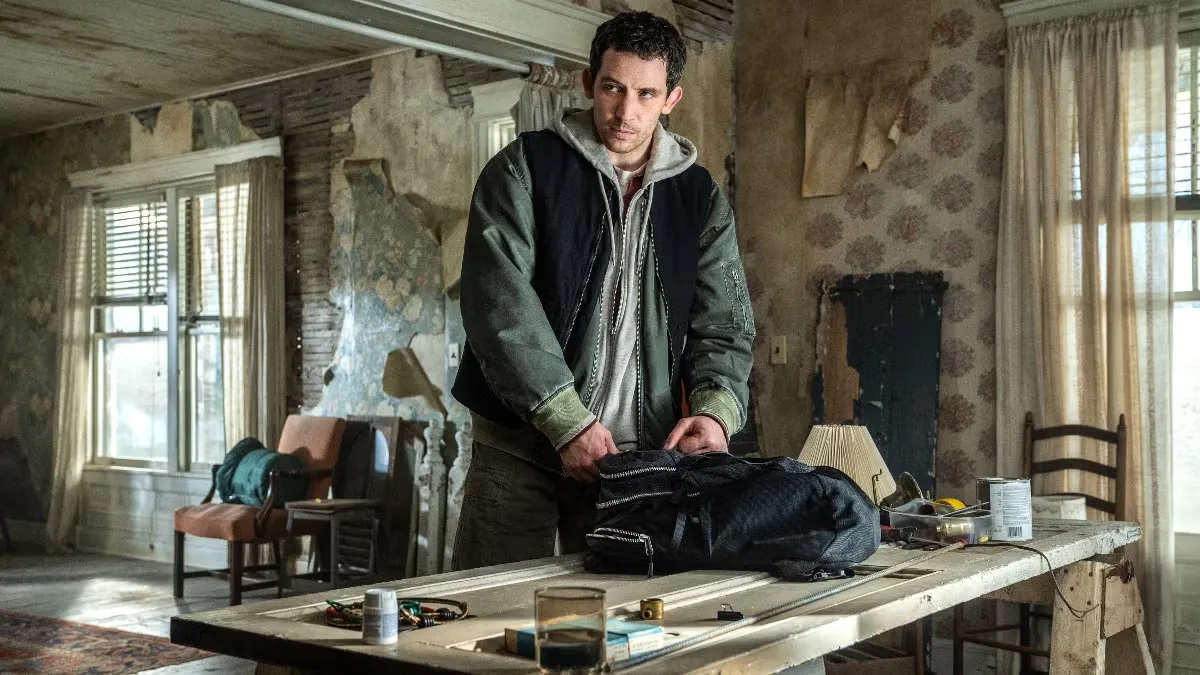
Disclosure Day opens to $44 million, but Spielberg’s first wide B since 2008 raises risk
A $19 million opening day from 3,824 locations puts Universal/Amblin on track, yet $115M budget and weaker-than-typical reception complicate profit math.

Naoki Hamaguchi says 95% stayed put, letting Final Fantasy VII Revelation ship in spring 2027
A rare fast turnaround in AAA, powered by retention, reshaping how executives think about schedule risk.
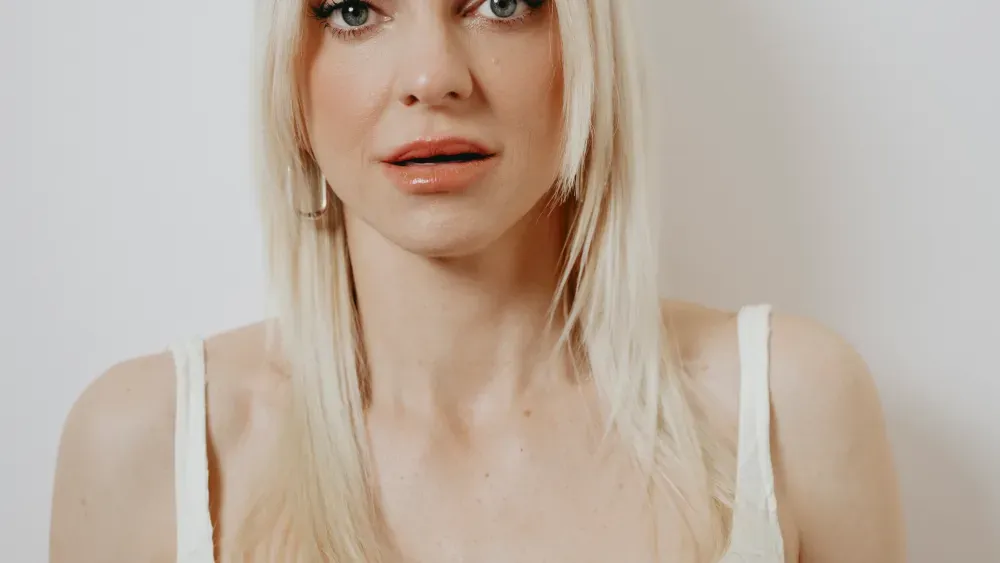
Anna Faris says anxiety eased after “Framed for Murder” fear as Scary Movie hits $55M
The actress opens up about anxiety and the box-office moment behind Scary Movie’s franchise-best opening weekend.