
Arsenal prepare a £70m bid for Newcastle captain Bruno Guimaraes
A reported £70m offer targets Newcastle’s captain, with immediate ripple effects for Arsenal’s squad-building and the transfer market.
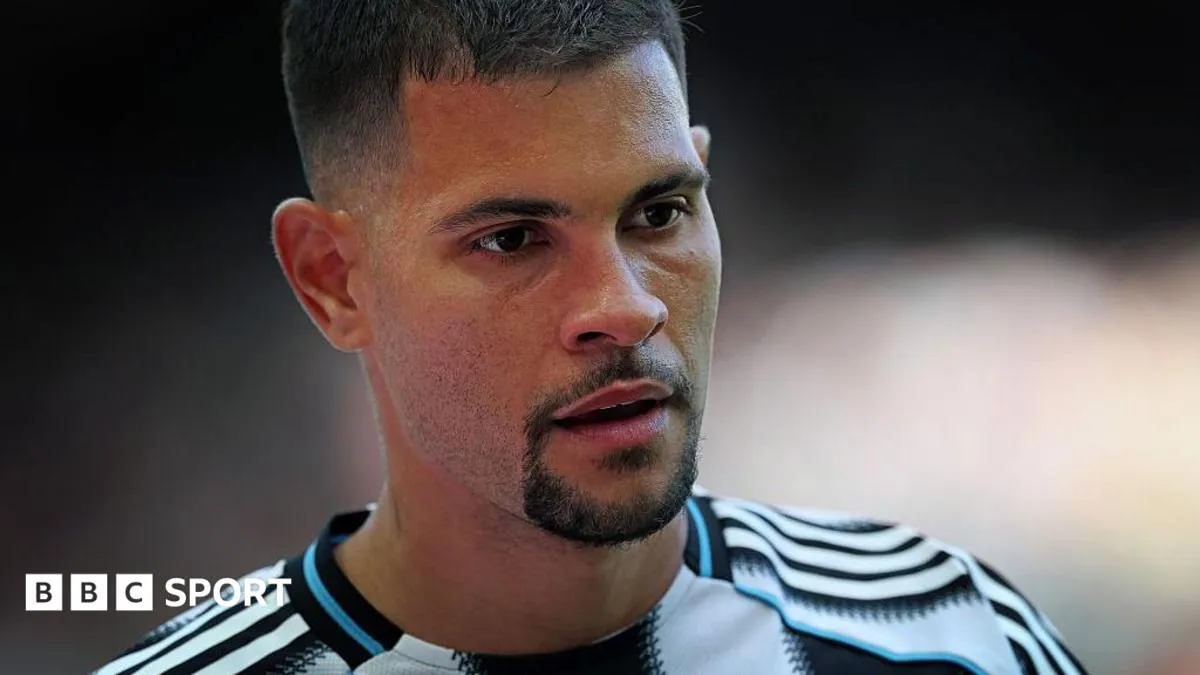
Arsenal are set to make a £70m offer for Newcastle captain Bruno Guimaraes. For decision-makers, the move signals a high-stakes shift in Arsenal’s midfield plans and raises the competitive heat around top-tier player pricing.
Arsenal are set to make a £70m offer for Newcastle captain Bruno Guimaraes. That number matters because it is not a polite “exploring options” fee. It is the kind of figure that forces a selling club to do math in two directions at once: what the player is worth to their own sporting project, and what they can reinvest if the cash arrives.
This is also a captain-to-captain moment, even if only one club is driving the bid. Guimaraes is Newcastle’s captain, which usually raises the emotional and operational stakes on the Newcastle side. Captains are not just on-field leaders. They anchor dressing-room routines, set standards during tough runs, and often help a club execute its tactics consistently. When a club is willing to pursue someone who holds that role, the implied message is that the target is considered a core building block, not a rotation piece. And if Arsenal are going public with the price tag, it changes the negotiation atmosphere around everyone else who plays in the same market segment.
To understand why £70m is a big deal, zoom out to how Premier League transfer negotiations typically work. Clubs rarely sell based on a single spreadsheet line. They weigh contract length, the player’s willingness to move, and the ability to replace the role with similar quality. The harder the position to replace, the more a captain can command leverage. Even when clubs want to sell for financial or squad reasons, the replacement cost often ends up pushing the effective price upward. In that sense, Arsenal’s reported valuation does not just reflect their belief in Guimaraes. It also reflects the reality that the Premier League’s midfield talent pipeline is not infinite.
Arsenal, meanwhile, get something specific by making a statement with a big bid: it clarifies their own internal priorities. Midfield is where games are decided quietly. It is where transitions start, where tempo is controlled, and where press resistance often comes from. A club that decides it needs a player like Guimaraes is essentially choosing a style of midfield that can sustain pressure and handle opponent adjustments. When a bid is large enough, it can also compress the timetable. Clubs do not wait forever if an offer is serious, especially if it can unlock planning for the rest of the squad.
There is also a second-order effect that rarely shows up in the headline, but it hits boards and sporting directors all the same. When one club moves decisively at this level, it can reset market expectations for other targets. That is not because other clubs become irrational. It is because everyone has to protect against being undercut. If clubs think that key players can be taken for a “headline” price, they either demand more or they become harder to negotiate with. That dynamic often spills beyond one deal, influencing how quickly other negotiations start, how agents frame contract demands, and how ambitious selling clubs feel when they hold out for better terms.
Then there is the club-to-club psychology. Newcastle captaincy signals importance, but bids at this scale create a kind of scrutiny. If a club accepts too quickly, fans and stakeholders question whether leadership can be retained. If a club holds out and misses the chance to reinvest, boards face criticism on efficiency. This is why a large offer tends to produce fast decision paths. For Arsenal, it reduces uncertainty about their midfield shopping. For Newcastle, it increases the pressure to decide whether to cash out, negotiate, or refuse.
Finally, think about the strategic stakes for peers. Arsenal are not shopping in a vacuum. Every top club in England understands that if a rival adds a proven captain-level midfielder, the gap in control games can widen. Other teams then have to ask: do we match the quality at a higher price, or do we look for alternatives in the market that are cheaper but may carry sporting risk? Either way, a £70m bid for a central figure like Guimaraes sets a reference point. It tells executives that the market is willing to pay for leadership and role clarity, not just raw talent.
In short, Arsenal preparing a £70m bid for Newcastle captain Bruno Guimaraes is more than a transfer headline. It is a signal about how Arsenal want to build, how Newcastle will have to respond, and how the broader Premier League market will price leadership-level impact going forward.
This story's Key Insights and Take-aways are locked.
Create a free account to unlock Executive Actions for one credit.
Register to UnlockAlways free for Executives Club members. Join the Club
More in Entertainment

Ali G's 'stooge' says he was in on joke, outplayed Sacha Baron Cohen
A 54-year-old aspiring actor says he recognized Sacha Baron Cohen mid-shoot, kept his MAGA act up, and let the film-makers think they had fooled him.

Entertainer Russell Brand denies 7 sex charges amid accuser's 'couldn't breathe' claim
The alleged victim's account sharpens the reputational and legal stakes for Brand, his platforms, and any business tied to a public figure under criminal scrutiny.

Russell Brand's accuser 'bewildered and confused' as he denies 7 sex charges
The criminal case against the comedian is a live test of how media companies manage talent risk when serious allegations go public.