
Avantris's Neon Odyssey hits $15.2 million and rewrites TTRPG crowdfunding
The actual play group turned a sci-fi D&D project into Kickstarter history, showing just how far fandom can scale when the product, audience, and timing all click.
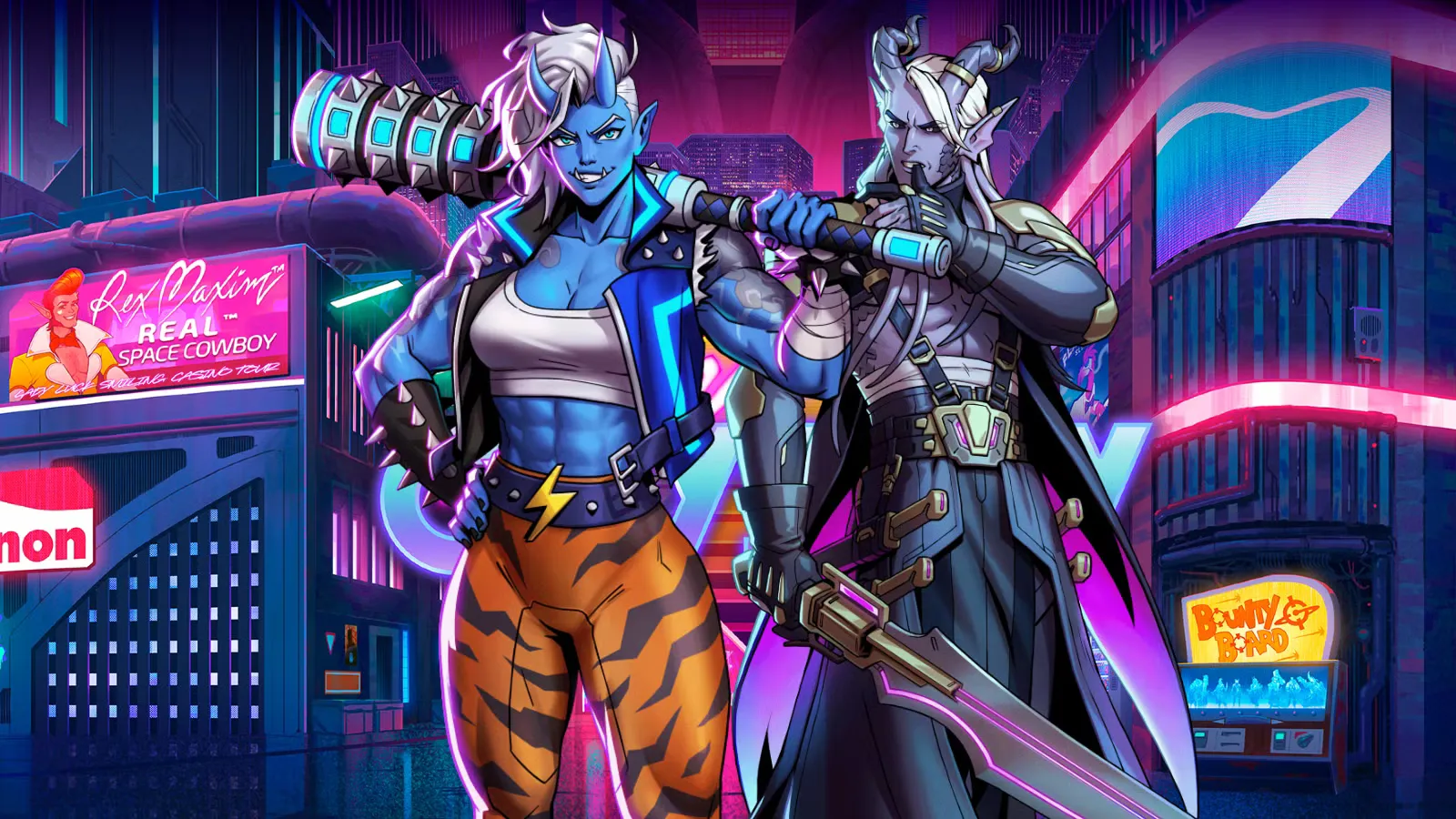
Avantris Entertainment's Neon Odyssey raised over $3 million on its first day, then reached $15.2 million in 30 days to become the most-funded TTRPG in Kickstarter history. For founders and media operators, it is a live case study in how audience-first brands can convert attention into unusually large direct-to-fan revenue.
Neon Odyssey did something most tabletop games only dream about: it turned a niche genre mashup into a crowdfunding event big enough to rewrite the record books. The latest project from popular actual play group Avantris Entertainment raised over $3 million on its first day, then climbed to $15.2 million in just 30 days, making it the most-funded TTRPG in Kickstarter's history. That is not a warm reception. That is a fan base showing up with credit cards in hand, and it immediately tells every creator, publisher, and media operator paying attention that the direct-to-audience model can still scale to eye-popping numbers when the brand is strong enough.
The headline number matters because it landed in a category that has historically relied on passionate communities, small studios, and a lot of trust. TTRPG, or tabletop role-playing game, projects often use Kickstarter to prove demand, finance production, and de-risk manufacturing before anything ships. Avantris did not just clear the usual goal. It blew past it early, then kept going for a month until it surpassed every other project on the platform in this category. The original framing of the project was simple and almost cheeky: if you thought that Dungeons & Dragons and sci-fi did not mix well, think again. Neon Odyssey apparently had a much larger audience than skeptics expected.
For context, that matters because Kickstarter is more than a checkout page. For creators, it is market validation, liquidity, and marketing all at once. A campaign like this signals that Avantris Entertainment already had a built-in audience before launch, likely from its popularity as an actual play group, and that audience was willing to convert enthusiasm into funding at a speed that many traditional entertainment businesses would envy. In practical terms, that reduces some of the usual risks associated with launching a large tabletop project, especially one that sits at the intersection of fantasy, science fiction, and fandom-driven commerce. It also underscores how much the modern entertainment stack depends on community rather than pure distribution reach.
The result also says something bigger about where creative businesses are headed. Over the last several years, direct-to-consumer and community-led launches have become a real alternative to the old gatekept path of pitching publishers, waiting on approvals, and hoping retail demand materializes later. Kickstarter has been one of the clearest pressure valves for that shift. When a project becomes the most-funded TTRPG ever on the platform, it does more than win bragging rights. It raises the ceiling for what investors, studios, and indie publishers think is possible if they can combine narrative IP, a recognizable personality-driven brand, and a fan base that already trusts the team behind the curtain.
It also shows why actual play groups have become increasingly important in the broader games economy. These are not just entertainment channels where people watch other people roll dice. They are now audience engines, product launchpads, and, in some cases, distribution channels with more cultural pull than legacy tabletop marketing. Avantris Entertainment's success with Neon Odyssey suggests that the gap between content and commerce has shrunk dramatically. If a community already cares about the performers, the worldbuilding, and the tone, the campaign no longer has to sell the entire category from scratch. It only has to give fans a new thing they want badly enough to fund immediately.
That should get the attention of anyone building in games, creator-led media, or fandom commerce. The lesson is not simply that sci-fi and D&D can mix, although the campaign certainly disproved that old assumption in the most expensive way possible. The larger point is that attention alone is not the asset. Trust is. A creator can have a large audience and still fail to monetize it if the offer is weak or the launch lacks conviction. Avantris did the opposite here: it turned existing attention into a record-setting funding event, and it did so through a platform mechanism that rewards urgency, scarcity, and community momentum.
For decision-makers, the strategic stake is clear. If your business depends on fans, subscribers, or a loyal niche, Neon Odyssey is another reminder that the next growth spurt may not come from broader distribution at all. It may come from a sharper product, a more specific identity, and a launch that gives supporters a reason to act now instead of later. Avantris Entertainment's record is a victory lap for one project, but it is also a signal to the rest of the market: in creator-led categories, the line between audience and capital is getting thinner by the month.
This story's Key Insights and Take-aways are locked.
Create a free account to unlock Executive Actions for one credit.
Register to UnlockAlways free for Executives Club members. Join the Club
More in Entertainment

Christopher Nolan’s “The Odyssey” posts his biggest Tuesday haul, surpassing “The Dark Knight’s” record
The film’s Tuesday breakout reframes Nolan’s box-office ceiling and forces competitors to rethink timing, budgets, and release strategy.

Kacey Musgraves cancels Aug. 20, 29, Sept. 2 Middle of Nowhere shows
Ticketmaster emails are telling fans refunds are coming, while the tour still starts Aug. 21 in Chicago.

Billie Joe Armstrong launches Epiphone Les Paul Junior and Marshall 1959BJA signature gear
Two limited releases turn decades of Green Day’s tone into branded hardware, including Marshall’s first artist amp in 14 years.