
Avatar: The Last Airbender returns 18 years after the finale
After nearly two decades, the series that defined a generation is officially back, and fans have reason to celebrate.

Avatar: The Last Airbender is returning after almost two decades, according to ScreenRant. The move matters to decision-makers because it signals how enduring IP can stay commercially and culturally relevant long after original airings.
Avatar: The Last Airbender is officially returning, 18 years after its finale. That is not a minor nostalgia headline. It is a reminder that some properties do not just survive pop culture cycles, they outlive them.
ScreenRant frames the moment as a late but real homecoming for a series that still feels current. The original animated show ran for three seasons in the mid-2000s, and since then, fans have treated it as a golden age worth revisiting. Now, that long wait is over. In other words, this is the end of “eventual return someday” speculation and the start of a new chapter that can reach both the original audience and the next one.
For executives and board members, the interesting part is not just that the show is beloved. It is that the show’s brand equity has remained strong enough to justify bringing it back nearly two decades later. In most entertainment businesses, the clock is brutal. Attention moves. Platforms change. Formats evolve. Yet ScreenRant’s core point is that Avatar: The Last Airbender is still as beloved as it was at launch. When that happens, the risk profile of a return shifts. You are not banking on a new unknown. You are building on an audience that already has emotional attachment.
There is also a strategic signal in the timing. The mid-2000s era of animation gave many networks a sense of what was possible with serialized storytelling and memorable world-building. But the payoff often takes longer than quarterly reporting would like. Avatar’s three-season run became the type of catalog asset that fans keep warm through conversation, recommendation, and rewatching. That is exactly the kind of “slow burn” cultural durability investors and studios tend to value, because it can create multiple monetization windows across years, not just initial launch.
From a governance and decision-making perspective, an 18-year gap changes what boards focus on. The question is no longer “Will anyone care?” The question becomes “How should the company translate care into a product that meets expectations?” When a series has the reputation ScreenRant points to, the bar for quality and consistency tends to be higher. Even the most motivated audience can turn quickly if the return feels like a cash grab instead of a continuation. That makes execution discipline central, and it is why board-level oversight of creative direction often intensifies for legacy IP projects.
There is also an industry context that decision-makers should keep in mind: the media landscape has shifted dramatically since the mid-2000s. Today, audiences do not just watch. They compare. They clip. They debate. They run fandom ecosystems at hyperspeed. A return like this, after a long absence, arrives into a much louder distribution and social environment. That is not a reason to avoid it. It is a reason to plan carefully around release strategy, marketing clarity, and audience messaging so the return lands as an actual event, not a vague rumor.
Second-order implications show up in partnership dynamics too. Legacy animated franchises can become anchors for broader brand extensions, merchandising conversations, and cross-platform distribution. When ScreenRant says the show remains “as beloved as the day it launched,” that is a statement about brand strength, not just viewer satisfaction. Brand strength affects bargaining power with distributors and platforms, and it can influence how quickly studios can line up collaborative opportunities. It can also affect internal prioritization, because teams tend to rally around projects with proven audience loyalty.
For peers considering similar moves, this return is a case study in patience with a payoff. Avatar: The Last Airbender launched mid-decade, ran for three seasons, and still has enough cultural gravity to return almost two decades later. That should matter to any executive evaluating legacy IP, catalog strategy, and long-term creative investments. The headline is the comeback. The real story is the endurance, and what it can unlock for companies willing to wait, invest, and execute at a high standard.
This story's Key Insights and Take-aways are locked.
Create a free account to unlock Executive Actions for one credit.
Register to UnlockAlways free for Executives Club members. Join the Club
More in Entertainment

James Gunn’s Supergirl notes targeted Krypto, not the script, Craig Gillespie says
The DC Studios boss gave “guidelines” on how Krypto should behave, down to specific scenes and rules.

A $1,000 Steam “game” has one mechanic: write on a wall
Congratulations On Your Purchase costs $1,000 / £748, and a first look finds almost nothing beyond status theater.
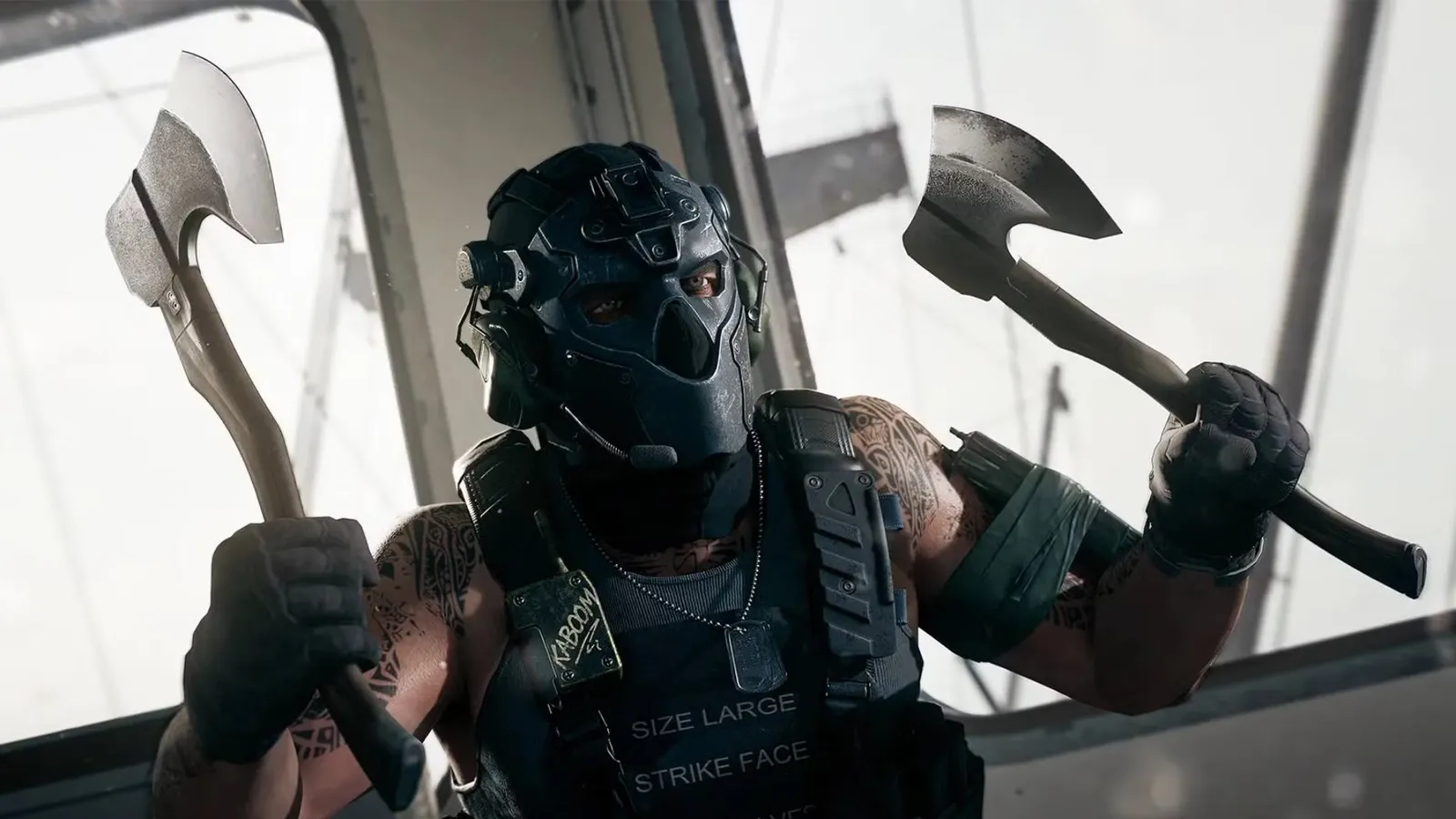
Black Ops 7 adds Nicolas Cage’s skin in Season 4 Reloaded, joining Dracula and Superman
Activision may have ruled out “clowny” skins elsewhere, but Black Ops 7’s mid-season lineup keeps getting stranger.