
Avengers: Doomsday books $16.5M in day-one advance tickets after first trailer drop
Disney's Marvel put tickets on sale with the first trailer launch, and the early take signals box-office momentum.
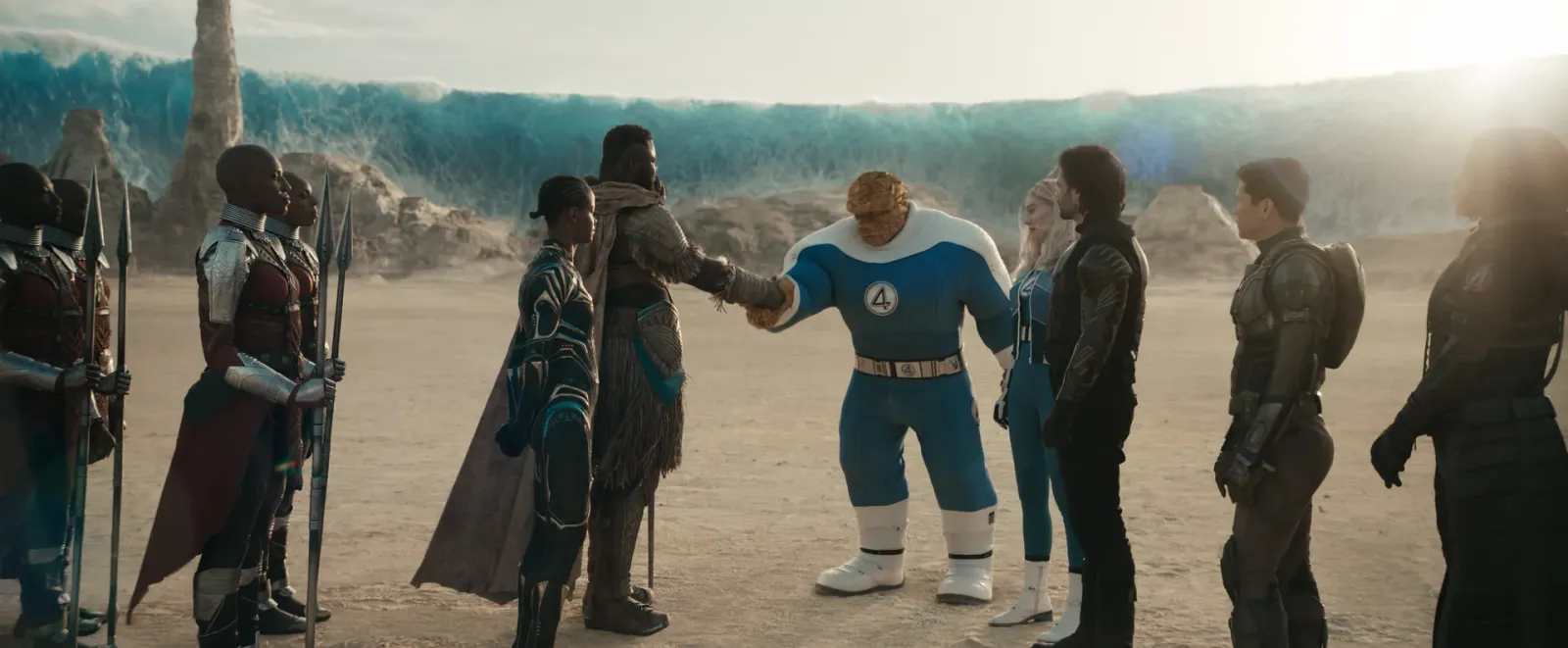
Marvel Studios, a part of Disney, says Avengers: Doomsday generated $16.5 million in advance ticket sales after the first day of availability. The studios tied ticket sales to the release of the first trailer, which teased an Avengers and X-Men clash with Doctor Doom.
Avengers: Doomsday racked up $16.5 million in advance ticket sales after its first day of availability, per Variety. Disney's Marvel Studios linked the ticket push to the launch of the first trailer, using the trailer teaser to set expectations for an “epic battle” where the Avengers and X-Men go up against Doctor Doom.
That timing matters more than it sounds. Advance ticket sales are one of the earliest measurable signals that marketing has landed, because it converts attention into concrete demand before opening weekend even arrives. In this case, Marvel did not wait for a full marketing arc or a long pre-sale window. It put tickets on sale when it dropped the first trailer, which effectively turns the trailer into both storytelling and a sales funnel.
For executives, the mechanics here are the real story: this is a coordinated product launch. Marvel Studios is selling a future event, but it is also selling the emotional promise inside the trailer. The source describes a specific setup: an epic battle where the Avengers and X-Men face off against the villainous Doctor Doom. That matters because it narrows the audience promise. Fans do not just hear “big fight.” They hear “specific characters, specific stakes, specific antagonist,” which tends to reduce uncertainty at the moment people decide whether to buy early.
Zoom out for a second, because the industry context is what makes these early numbers consequential. Theatrical releases live and die by forecasting accuracy. When marketing and distribution teams can turn trailer exposure into day-one advance ticket sales, it improves planning across the chain: theater commitments, screening schedules, and the internal resource allocation that follows opening weekend projections. In other words, early ticket sales are not just publicity. They are operational inputs.
There is also a strategic incentive alignment behind this kind of launch. Studios generally want to avoid a gap between audience excitement and monetization. If people love the trailer but cannot act immediately, some of that demand can evaporate. By pairing the first trailer drop with ticket sales, Marvel compresses that window, nudging viewers from “I want to see this” to “I have plans and I bought the ticket.” The $16.5 million figure after the first day is the kind of early conversion metric that can validate that play.
Now, to the second-order effects that boards and investors care about: when early demand reads strong, it can change how aggressively other parts of a media company invest in the next steps. Even without inventing new figures, the signal is clear. Fast advance uptake suggests the distribution and marketing bets are working, which can support continued spend in adjacent campaigns, ancillary promotions, and downstream release strategy across the slate.
It also matters for competitive positioning inside the entertainment calendar. Theatrical releases compete not just on quality but on when they land. An early sales push tied to a trailer release is a way to lock in momentum before competing titles fully capture attention. The source makes the plot promise specific, and specificity is a competitive edge. You know exactly what conflict you are buying into: Avengers and X-Men versus Doctor Doom.
For peers in the room, the lesson is simple but not easy: the first moments of the marketing cycle now carry heavier financial weight. A trailer is no longer only a brand-building tool. It is increasingly an immediate monetization trigger. When a studio can point to $16.5 million in advance ticket sales after day one, tied to the trailer kickoff, it gives leadership a measurable narrative for the value of timing, messaging, and conversion.
In short, Avengers: Doomsday is doing the thing every box office strategist wants. It is turning hype into tickets quickly. And for decision-makers watching the intersection of media, distribution, and demand forecasting, that first-day conversion number is a signal worth studying, not just celebrating.
This story's Key Insights and Take-aways are locked.
Create a free account to unlock Executive Actions for one credit.
Register to UnlockAlways free for Executives Club members. Join the Club
More in Entertainment

12TB Steam 'teraleak' goes beyond Valve: GTA 3, Mafia 2 prototypes exposed
A 12-terabyte dump of Steam data reveals prototypes and builds of third-party classics like GTA 3 and Mafia 2, plus unreleased Valve content, rewriting game history.

LinkedIn's romance problem: 1 in 4 workers say dating on it is fair game
A new survey shows a quarter of U.S. employees treat the professional network as fair game for romance, even as LinkedIn bans it and removes hundreds of thousands of offending posts.

Enhypen's first No. 1 album breaks K-pop's Billboard 200 streak
The K-pop group's 98,000-unit debut tops the chart while Dolly Parton's catalog reentry shows how death reshapes streaming.