
Axiom shows NASA-ready spacesuit inner layer, Prada-designed to keep astronauts cool on the Moon
Axiom just revealed the inner layer of its next-generation Moon suit, built to manage heat and comfort for NASA missions.
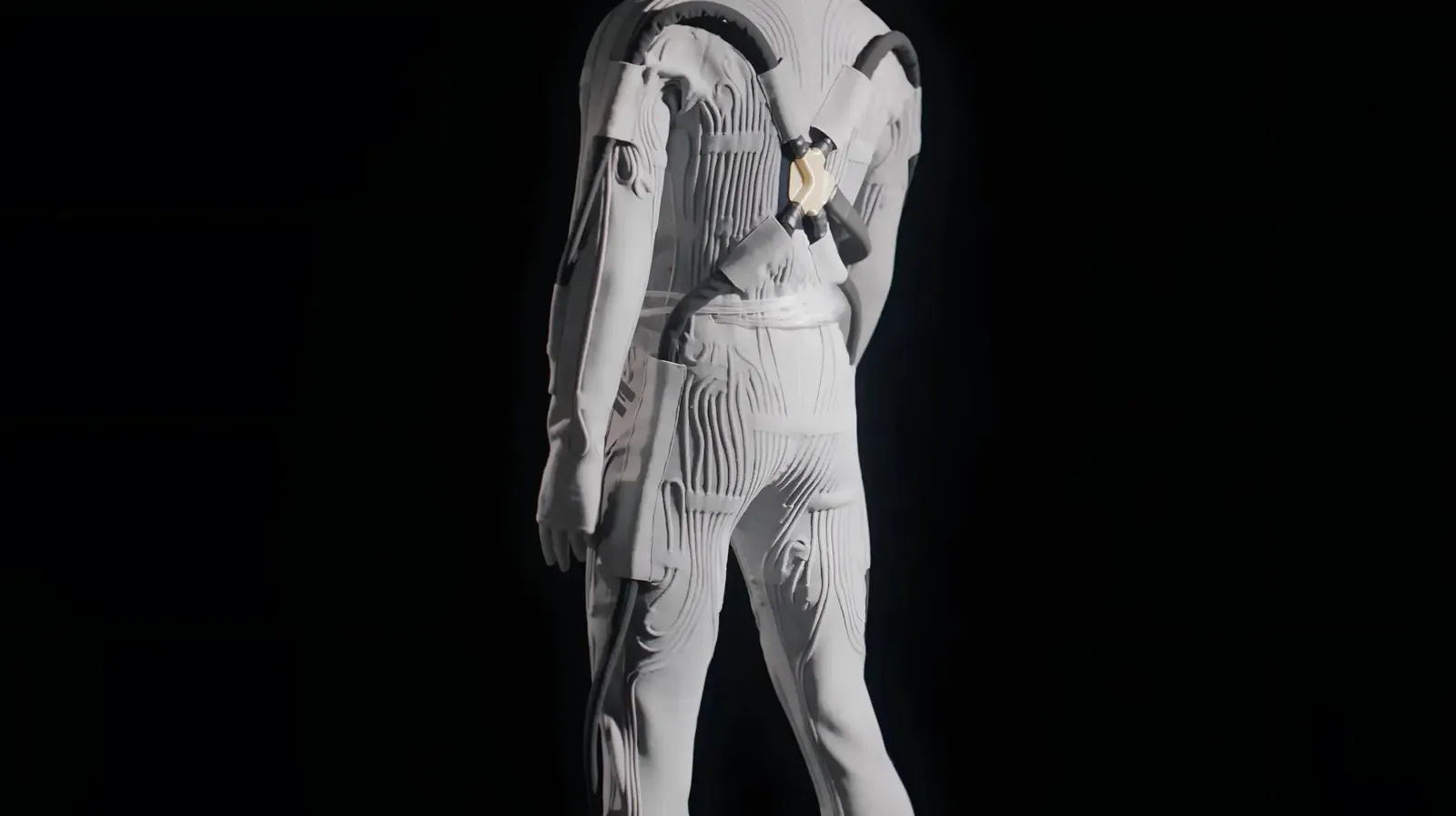
Axiom has revealed the inner layer of its newly developed spacesuit, designed to keep astronauts cool on the Moon. The reveal matters for decision-makers evaluating commercial space hardware that must satisfy NASA mission requirements.
Axiom has shown off the inner layer of its new spacesuit, designed to keep astronauts cool on the Moon. In other words: the company is not just talking about a costume concept. It is talking about thermal performance, right at the layer astronauts will feel every day during a surface mission.
That “cooling first” angle is the entire point of the reveal. A spacesuit has to protect the crew, yes, but it also has to keep them functional. Heat can reduce endurance, drive faster fatigue, and make even simple tasks more exhausting. By revealing the suit’s inner layer, Axiom is effectively spotlighting the hidden engineering that determines whether astronauts can work comfortably for hours instead of fighting their own environment.
This is a smart place to start. In spaceflight, the hardest parts are rarely the most visible. Outer shells get the headlines. Life support systems get the attention. But the interface between the human body and the space environment is where comfort becomes operational readiness. The inner layer is the “how it feels and works” component that can influence everything from suit wear duration to how effectively astronauts can operate tools and move around the lunar surface.
The other headline detail here is the design credit: Prada. That matters because it signals Axiom is leaning on experience outside traditional aerospace, where fashion and materials know-how can translate into better ergonomics and wearable design. For executives, that is not a vanity move. It is a bet that the best outcomes in next-gen suits come from treating the astronaut as the customer, not just the payload.
There is also a larger business context to consider. NASA’s modern approach increasingly leans on commercial capabilities, but that does not mean requirements disappear. It means the bar shifts from “who builds it” to “who can prove it works to mission standards.” When a company reveals a new hardware layer, it is implicitly telling NASA and other partners that the design is moving from lab ideas into build-and-test reality.
In that framework, an inner layer reveal is a signal to stakeholders watching integration risk. Spacesuits are complex systems where layers must cooperate: thermal management must not compromise mobility, pressure-related constraints must not conflict with comfort materials, and any design choice has to survive the harsh realities of the Moon environment. Even without extra numbers in this specific report, the direction is clear: Axiom wants the market to focus on thermal comfort as a core performance attribute.
Second-order, this kind of product disclosure can also reshape how boards and investors evaluate program progress. For space startups and aerospace suppliers alike, the most painful surprises tend to show up late, after contracts and timelines are locked. Early reveals of specific subsystems, like a suit inner layer, create more checkpoints. They help governance teams ask better questions sooner: Is the design coherent? Is it testable? Are the critical subsystems being de-risked before the schedule gets tight?
And for peers, the strategic stake is obvious. In a world where multiple companies are pitching Moon hardware, the “cooling” story can become a differentiator. Astronaut comfort on the Moon is not a soft metric. It is part of mission effectiveness, because it affects how long and how well crews can stay productive in a punishing thermal environment.
So the Axiom reveal is more than a design moment. It is a performance narrative. By showing the Prada-designed inner layer intended to keep astronauts cool on the Moon, Axiom is drawing a straight line from engineering decisions to real mission outcomes, and it is doing it in a way that decision-makers can evaluate as the program advances.
This story's Key Insights and Take-aways are locked.
Create a free account to unlock Executive Actions for one credit.
Register to UnlockAlways free for Executives Club members. Join the Club
More in Technology

OpenAI says 10,000 agents cracked a 90-year math problem in 88 hours
The company's claim is audacious, but one mathematician is pushing back. Here's what it means for AI-driven discovery.

Meta still serves child sexual abuse ads on Instagram in India - BBC report
A new report following the BBC Eye investigation says the ads are still there - what it signals for every platform with a self-serve ad engine.

White House yanks 'Build the Wall' game after Tetris Company copyright warning
The administration's arcade game vanished in hours - and the takedown playbook every brand can learn from.