

Axon still ships Tasers to Israel despite torture evidence
Guardian investigation ties US-made stun guns to abuse of Palestinian detainees, putting Axon's export practices in the crosshairs.
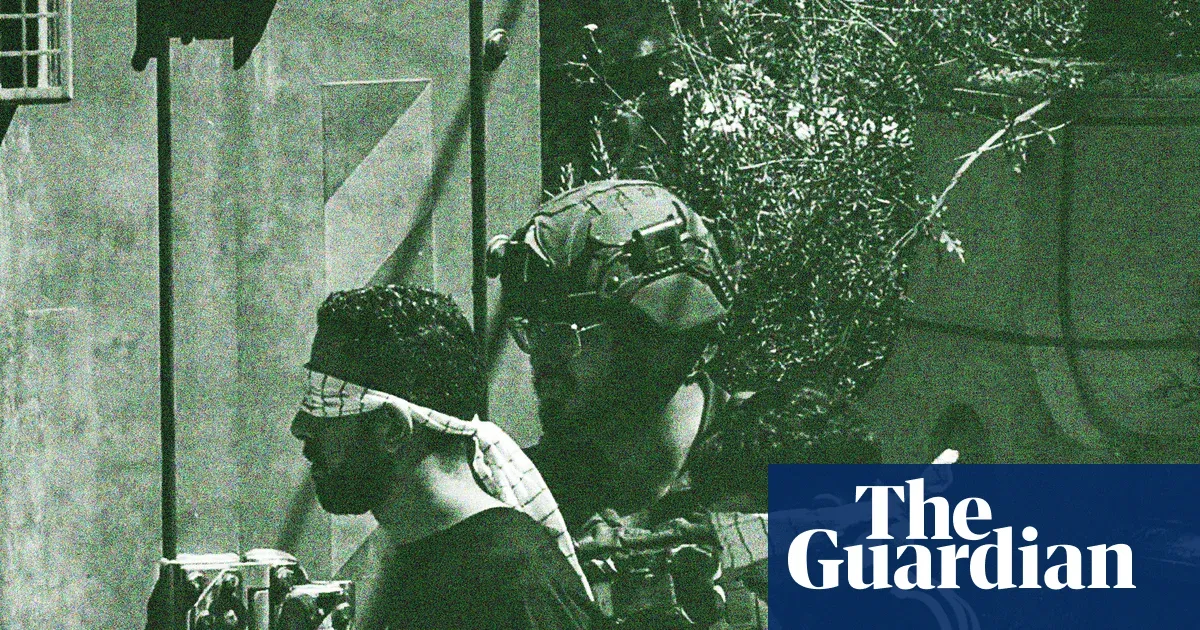
A Guardian investigation suggests Axon, the US maker of Tasers, continues to supply Israel with electroshock weapons despite evidence they have been used to torture Palestinian detainees. The findings expose legal, reputational, and regulatory risks for Axon and other US defense-tech suppliers.
The Guardian's investigation suggests Axon, the American company behind the Taser, is still supplying Israel with electroshock weapons even as evidence accumulates that they have been used to torture Palestinian detainees. The report describes a specific incident in which soldiers dragged a double-amputee man into a prison section known as "Hell's Wing," shot him with rubber bullets, tied him up, and then applied a stun gun to his body. That account is part of a broader pattern that raises urgent questions about how US-made less-lethal weapons are being used in the Israeli prison system.
The incident, detailed by The Guardian, is stark: after the man collapses from rubber bullets, a soldier pulls a stun gun from its holster, approaches him, and delivers an electric shock. The man is already bound and incapacitated. The use of a Taser in that context, against a restrained and disabled detainee, raises serious human rights concerns. The investigation suggests Axon has not cut off supply despite this and other similar accounts.
Axon is not a small player. The company, known for its body cameras and conducted-energy weapons, has built its brand around the promise of making policing safer and more accountable. Its Tasers are used by thousands of law enforcement agencies worldwide. But this investigation puts a spotlight on a darker corner of its business: sales to Israel, where military and police forces have faced repeated allegations of mistreating Palestinian prisoners.
The legal and regulatory stakes are significant. US law, including the Leahy amendments, prohibits the State Department from providing military assistance to foreign units that commit gross human rights violations. While Axon is a commercial seller, not a government aid program, its exports are still subject to State Department and Commerce Department oversight. If Axon knew or should have known its weapons were being used in torture, it could face export-control violations, shareholder lawsuits, or sanctions. The investigation suggests that evidence of abuse has been public for some time, which could complicate Axon's defense.
For executives, the case is a reminder that "less-lethal" does not mean "no liability." A Taser is designed to incapacitate, but in the wrong hands it becomes an instrument of cruelty. Axon's own marketing emphasizes rigorous end-use monitoring and ethical standards. The gap between that public posture and the reality described in the investigation is exactly the kind of disconnect that attracts regulators, journalists, and activist investors.
The broader lesson extends beyond Axon. Every US defense-tech company selling into conflict zones faces the same fundamental problem: once a weapon is transferred, the seller has limited control over how it is used. This investigation shows how quickly a product marketed as a humane alternative can become a tool of abuse. For boards and compliance officers, the takeaway is to audit not just who buys your products, but what those buyers do with them.
The Guardian's investigation does not say Axon has broken the law, and Axon has not yet responded publicly. But the report adds to mounting pressure on the company to explain its continued sales to Israel. For investors, the question is whether Axon's Israel revenue is worth the reputational and legal risk. For competitors, it is a cautionary tale about the cost of looking the other way.
This story's Key Insights and Take-aways are locked.
Create a free account to unlock Executive Actions for one credit.
Register to UnlockAlways free for Executives Club members. Join the Club
More in Business

A flaw in PHP just forced governments to pull their own sites offline
European agencies from Belgium to Germany took websites dark to patch a critical weakness in the language behind almost 70% of the web, and the blast radius extends far beyond government portals.

BioWare shuts down, Mass Effect 5 dead after $55B EA buyout
The legendary RPG studio's closure lands months after a $55 billion investment group buyout of EA, raising tough questions for gaming's biggest acquirers.

Musk barred from the room as Tesla, SpaceX boards weigh $3.5 trillion merger
The CEO of both companies is a 'conflicted party' watching independent directors negotiate a tie-up that would create a $3.5 trillion giant he would own about a third of.