

Bad Bunny makes London history, first Latin artist to headline a UK stadium
A Puerto Rican superstar turns a stadium night into a milestone for UK live music, with real business implications behind the scenes.

Bad Bunny became the first Latin artist to headline a UK stadium, lighting up London with a show described as pride and a party. For entertainment and brand decision-makers, the moment is a data point in how global audiences now drive the biggest-stage economics.
Bad Bunny lit up London in a stadium show that is being framed as both pride and a party, and the headline detail is the point: he became the first Latin artist to headline a UK stadium. That matters because a “first” on a UK stadium stage is not just culture. It is proof, in public view, that the biggest ticket market in the country can be re-shaped by global pop forces.
The BBC’s framing is straightforward, but the stakes are real. This was not a smaller venue, not a niche programming experiment, and not a one-off guest slot in someone else’s headline. It was Bad Bunny taking the starring role at stadium scale, turning London into the setting for a history-making live moment. If you are in the business of entertainment, that single fact is a high-signal indicator: demand is strong enough, and the logistics and risk appetite are high enough, for a Latin artist to anchor an event of this magnitude in the UK.
To understand why executives should care, zoom out one layer to how live entertainment markets typically behave. Stadium shows are expensive, high-visibility, and schedule-tight. They require a chain of decisions that has to line up, from promoter confidence to venue readiness to media appetite. When an artist like Bad Bunny can clear that bar and become the first Latin artist to headline a UK stadium, it effectively rewires what “headline-ready” can mean. The audience is already there. The industry just needed to catch up to the scale of that audience.
There is also a second-order marketing effect that tends to follow these moments. A history-making headline does not only sell tickets for one night. It gives brands and sponsors a cleaner story to tell. Instead of “we’re targeting a specific demographic,” they can credibly lean into “we backed a first.” That changes internal approvals because it feels safer. In boardrooms, “first” is a kind of shorthand for momentum, and momentum is what turns a cultural milestone into repeatable commercial behavior.
From a strategic point of view, this kind of breakthrough tends to trigger competitive learning. Rival artists and labels watch how the market responds when a non-traditional headline emerges at stadium level. Promoters watch how media coverage flows. Venues watch what it means for future booking strategies. Even if the BBC source only highlights the London show and the “first Latin artist” milestone, the operational takeaway is that global fandom can be mobilized at scale, and the UK is no longer treating Latin superstars as an “import” act. They are headline acts.
There is also a cultural and regulatory-adjacent angle worth noting, even without getting into policy specifics. In the UK, large-scale entertainment lives under a web of licensing, safety requirements, and event operations standards that are enforced through local and national frameworks. Stadium events are not casual. They have to comply with crowd management, security planning, and venue regulations. When an international act like Bad Bunny clears that bar and delivers a major headline performance, it signals that the systems for hosting these audiences are functioning at the highest level.
For decision-makers in media, brands, and live entertainment, the most practical implication is that global talent strategy can be less “experimental” and more “industrial.” When a Puerto Rican artist becomes the first Latin artist to headline a UK stadium, it should prompt a re-check of assumptions about market segments, marketing funnels, and booking criteria. The question stops being whether Latin artists can draw. The question becomes how quickly the rest of the industry will reorganize around that demand.
The executives who win next are the ones who treat moments like this as operational signals, not just headlines. Bad Bunny’s London stadium show, and its “first Latin artist” distinction in the UK, suggests that the live music map is expanding and that the biggest stages are starting to reflect the audience reality, not the industry’s old mental models. For peers, the lesson is simple: if you wait for consensus, you arrive late. If you study the data behind the hype, you can move first.
This story's Key Insights and Take-aways are locked.
Create a free account to unlock Executive Actions for one credit.
Register to UnlockAlways free for Executives Club members. Join the Club
More in Entertainment
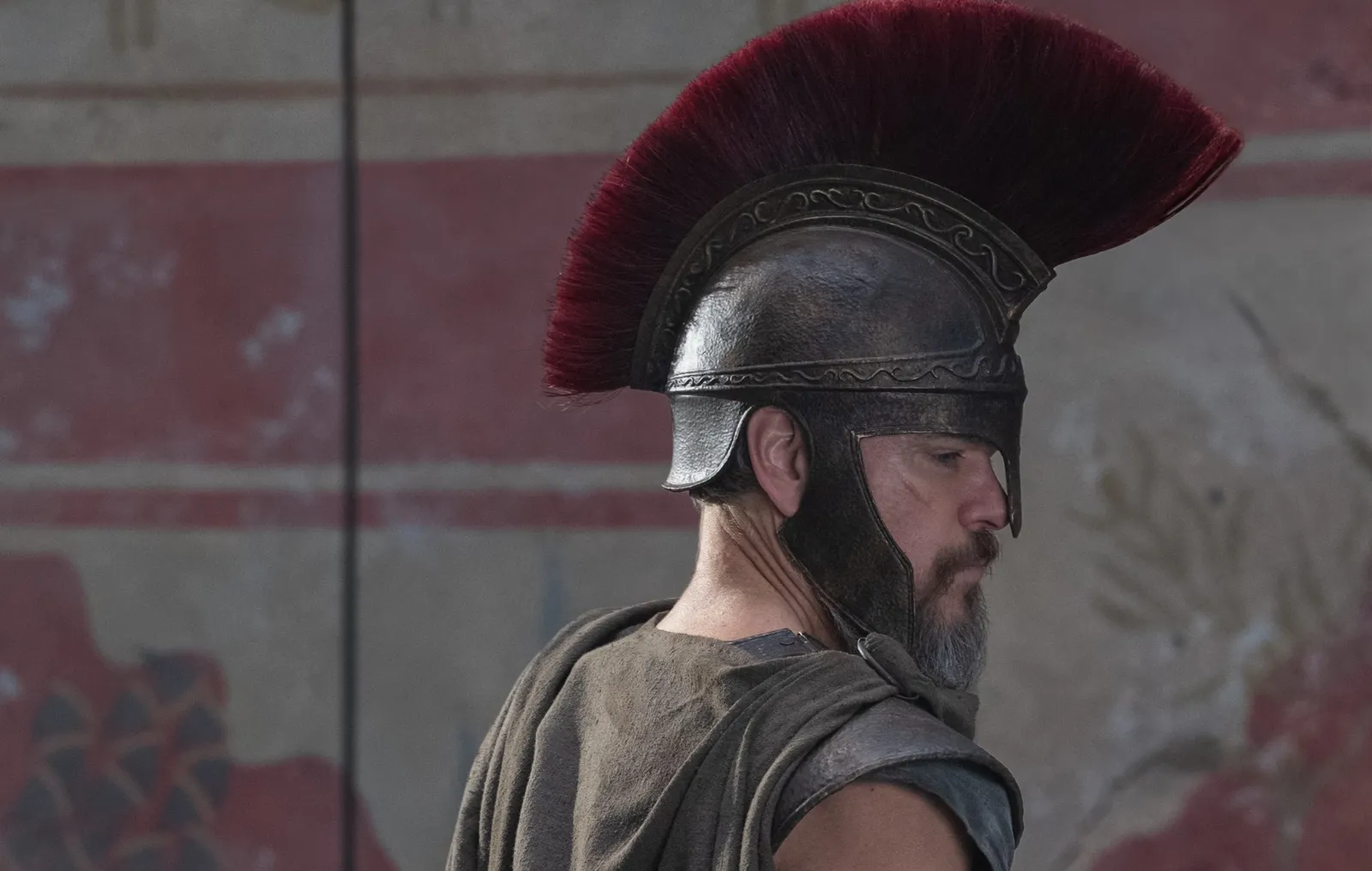
Universal allegedly left a $6,000 repair invoice unpaid for The Odyssey’s Viking ship
The owner says the Glad av Gillberga was damaged on set and an invoice for materials never got paid, despite repairs.

India’s paid music subscribers may reach 30M by 2028, EY-IMI projects
A forecast jumps from about 14M in Dec 2025 to 28M-30M in 2028, reshaping who can profit in streaming.
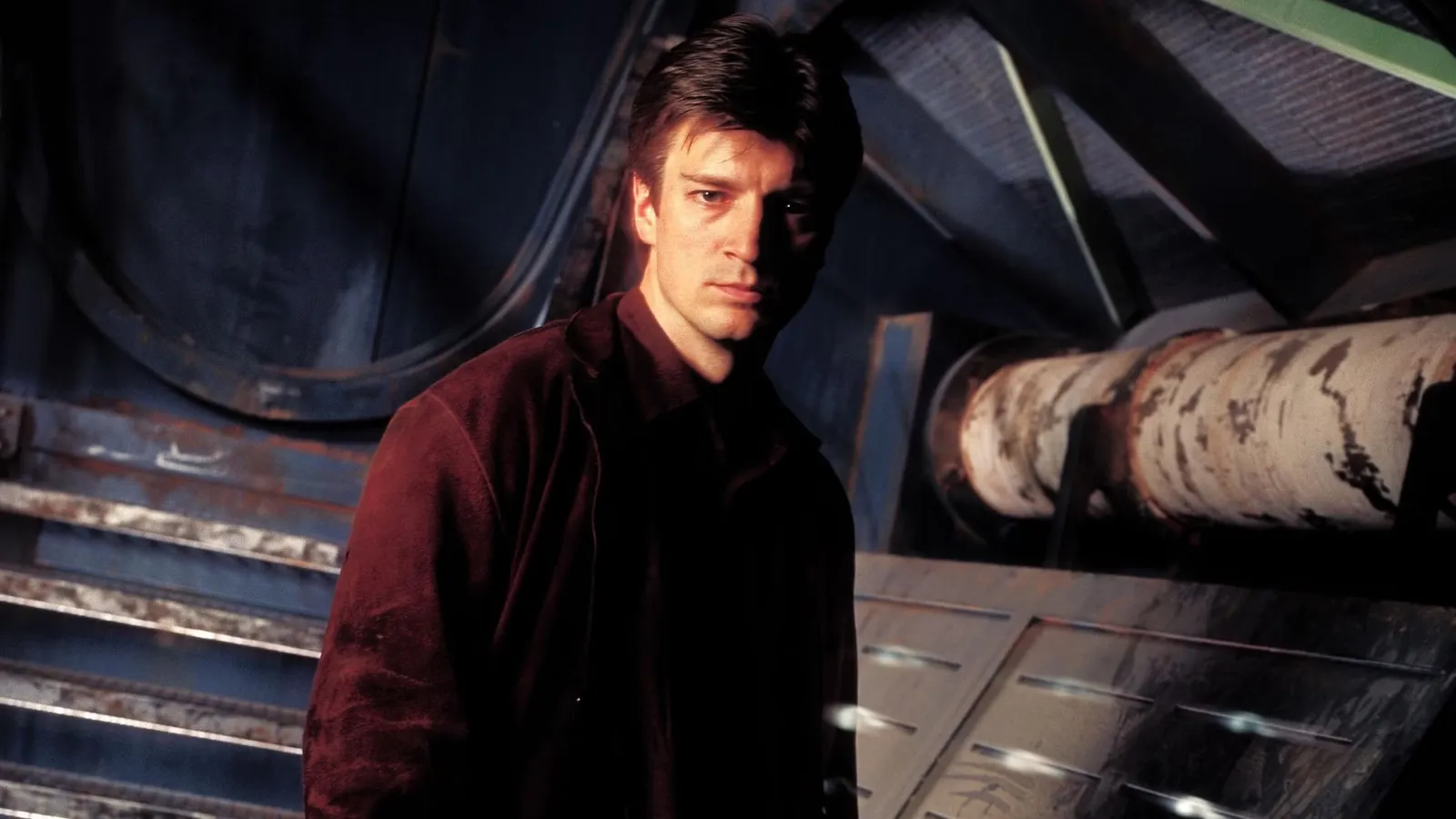
24 years after Mal Reynolds, Nathan Fillion flips his sci-fi hero role in Lanterns
For studio and audience strategists, Fillion’s Lanterns casting shows how nostalgia gets retooled into a fresh kind of hero.