
Bad Bunny’s 2023 U.S.-free touring blitz still cleared $1 billion in ticket gross
Debí Tirar Más Fotos is now highest-grossing and best-selling tour ever, proving the U.S. is optional for breakout scale.

Bad Bunny’s Debí Tirar Más Fotos world tour has become the highest grossing and best-selling tour in history, even while touring without needing the U.S. to set records. For decision-makers, the milestone above $1 billion in gross sales is a reminder that global demand and ticket economics can outrun geography.
Bad Bunny’s Debí Tirar Más Fotos world tour has hit two headline-grabbing milestones at once, and both come with a built-in curveball for anyone who still thinks the U.S. market is the only scoreboard that matters. According to Rolling Stone, the tour is now the highest grossing and best-selling tour in history. And his ticket sales have pushed him past $1 billion in gross sales.
The curveball is the part Rolling Stone emphasizes: he “didn’t need the U.S. to set touring records this year.” In other words, the tour’s momentum did not require U.S. record-chasing to validate its scale. It already did the job on its own, with ticket sales carrying him past $1 billion in gross sales and the tour landing in the top tier of the history books for both gross and ticket demand.
Now zoom out. Tours are one of the entertainment industry’s purest test markets because they are brutally arithmetic. There is no “maybe” in a ticket sale. If demand is there, the numbers show up in receipts. If demand is not there, the show day arrives and the math gets ugly. When a tour becomes the highest grossing and best-selling in history, it signals more than popularity. It implies that pricing, routing, venue selection, and timing all worked together well enough to convert audience interest into cash at massive volume.
The “U.S.-optional” angle matters because it challenges a common reflex. Many businesses, especially those used to the U.S. as a default growth engine, build plans around where the biggest institutional attention sits. But global tours are not just about chasing more countries. They are about finding audiences where the product resonates and then building a tour strategy that can monetize that resonance consistently. In this case, Rolling Stone’s framing suggests that Bad Bunny’s touring strategy found enough demand across the broader world to clear the U.S.-centric threshold people often assume is necessary.
From a decision-maker perspective, the $1 billion milestone is the real anchor. Gross sales at that level change how stakeholders think. For touring partners, it affects leverage in future deals because it demonstrates that the artist can generate outcomes that are hard to dismiss as niche or temporary. For platforms and sponsors, it can shift how brands allocate marketing budgets. If the tour is the best-selling and highest grossing in history, then marketing around it is not merely “supporting culture,” it is tying dollars to proven mass reach.
There is also a second-order implication around what it means for the broader touring economy. High-performing tours tend to raise expectations across the ecosystem, from promoters to venue operators to ticketing providers. Even if this story is about one artist, executives should notice how quickly benchmark behavior can propagate. When someone clears $1 billion in gross sales and sets both best-selling and highest-grossing marks, it becomes a reference point other teams will use when negotiating schedules, capacity, and commercial terms.
Regulatory context is part of the background here, even when it does not take center stage in the article. Touring and ticketing depend on rules that vary by jurisdiction, including consumer protection requirements, ticket resale frameworks, taxes, and local permitting. The point is not that regulation is irrelevant, but that a tour that scales globally forces execution across many rule sets. The Rolling Stone note that Bad Bunny’s tour did not need the U.S. to set records “this year” implicitly underscores that the tour’s scale did not hinge on one particular regulatory or market environment. It performed strongly enough without that specific benchmark.
For peers who manage growth, partnerships, or investments in live entertainment, the takeaway is straightforward. If a tour can become the highest grossing and best-selling in history and move beyond $1 billion in gross sales without U.S. record-setting as a prerequisite, then global strategy is not a secondary option. It is a competitive axis. The strategic stake is who can find demand, convert it to ticket sales at high volume, and then sustain that conversion through execution across markets.
This story's Key Insights and Take-aways are locked.
Create a free account to unlock Executive Actions for one credit.
Register to UnlockAlways free for Executives Club members. Join the Club
More in Entertainment

Starfleet Academy names newcomer Ruaridh Aldington a Season 2 series regular
At San Diego Comic-Con's Star Trek 60th anniversary panel, Aldington joins as Keats, a high-stakes mystery for the cadets.
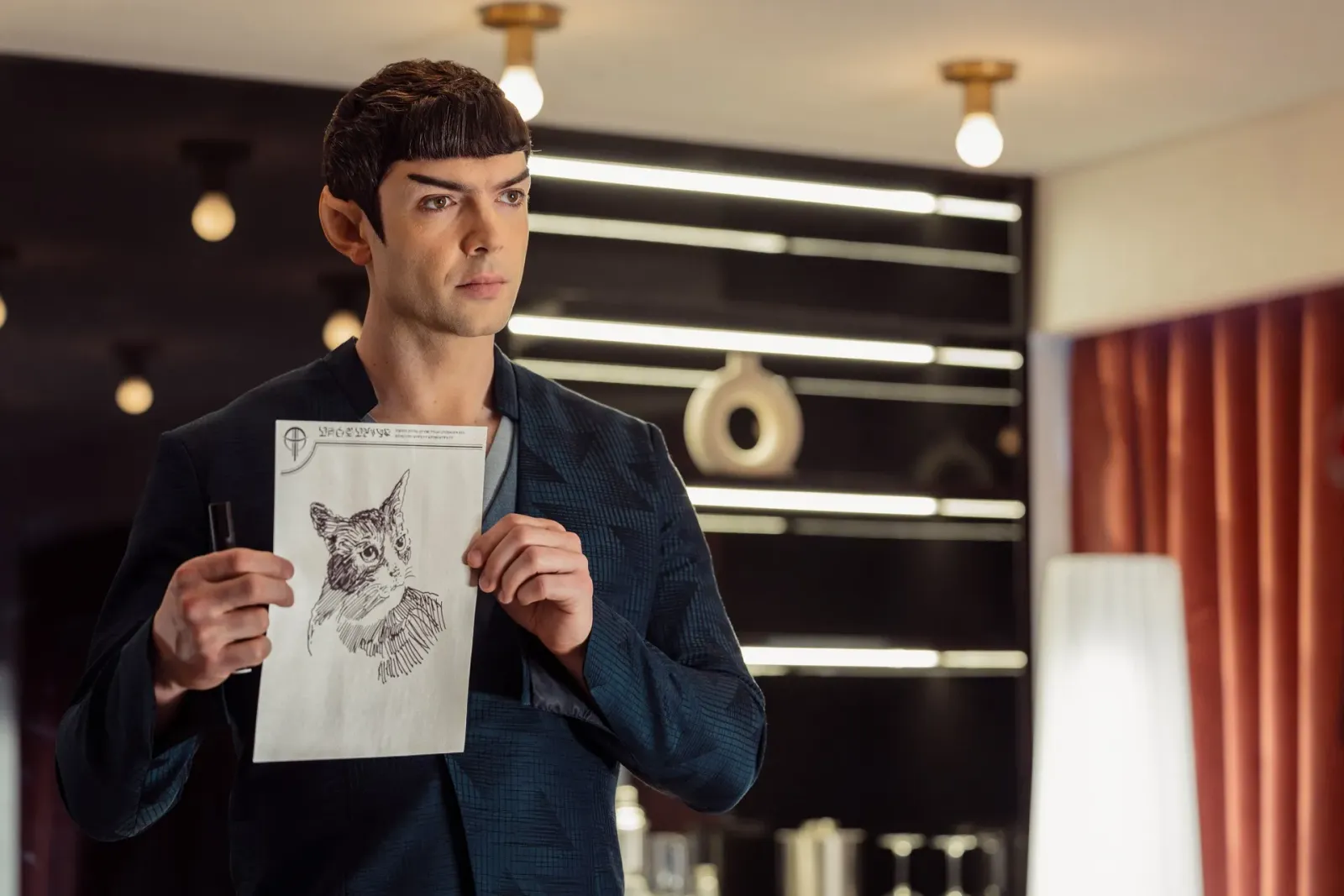
Akiva Goldsman drops Strange New Worlds Season 4 timing: weekly until Sept. 24
Star Trek’s co-showrunner uses Comic-Con to lock in the release calendar for Paramount+ Season 4.

Marvel’s Avengers: Doomsday Doom armor stays faithful to comics, but adds samurai-style upgrades
A fresh look at Robert Downey Jr. as Victor von Doom at Comic-Con shows what Marvel kept, changed, and why it matters.