

Bad Bunny weaponized Spanish monologues at Tottenham, and the crowd still roared
ICE-deterrence talk, an anti-Spanish “toad” moment, and why lyrics did not matter for the biggest Latin concert in Britain.

Bad Bunny headlined the largest British concert ever staged by a Latin-American artist at Tottenham Hotspur Stadium, London. His show leaned on long Spanish between-song chat, including commentary on an earthquake in Venezuela and his world tour avoiding the United States due to ICE.
Tottenham Hotspur Stadium in London was not just hosting a concert. It was hosting a high-stakes test of pop stardom: can you sell a massive, chaotic party without everyone fully understanding the lyrics? Bad Bunny answered it in real time, and the result was blunt. Midway through the show, a giant cartoon toad appeared on the big screens and admonished people in the crowd who “can’t speak Spa(nish),” warning, “You’re missing the message.” Then the show kept moving anyway, and the crowd kept roaring.
The reason that mattered is what Bad Bunny used the moment for. The Puerto Rican artist started in a white suit, fronting a salsa band in full flow, then switched up into a swaggering, chaotic rave in a replica island home. But what really defined the middle of the performance was his lengthy between-song chat, delivered in his native tongue. In that Spanish monologue, he covered topics including the recent earthquake in Venezuela, and remarks that seemed to connect people and places to the meaning of the music. The show framed his politics and cultural messaging as part of the entertainment, not something separate from it.
Now zoom out to the business and regulatory angles lurking underneath the theatrics. Bad Bunny’s current world tour declines to take in the United States, and the source ties that decision to the risk of attention from ICE, “a not-unreasonable assumption given the tantrum thrown by Donald Trump over the singer’s headline appearance at the Superbowl half-time show.” That is a very specific incentive structure. In entertainment, the hard constraint is rarely “ticket demand.” It is risk: legal, reputational, and operational. The show suggests that, for at least one major artist, border enforcement risk is treated like a commercial variable, shaping routing and market entry.
The second-order question for executives is obvious: what happens when the audience does not need the language to get the impact, but the artist uses language anyway as a layer of identity? The Guardian’s account says the crowd contained “so many representatives of the diaspora” that his Spanish monologues were received more warmly and loudly than his solitary English announcement. That is a subtle but important dynamic for boards and dealmakers. It implies you can build global scale with multilingual performance, but you do not need uniform comprehension for emotional and commercial resonance. Audience segmentation becomes less about literal understanding and more about shared cultural proximity.
There is also a momentum story hiding in the background. The source notes that Trump’s public tantrum over the singer’s Superbowl headline appearance helped propel Bad Bunny’s albums into the British Top 10 for the first time. That matters because it flips a typical playbook. If a high-profile confrontation with a U.S. political figure increases visibility rather than suppression, then “regulatory pressure” can create upside as much as downside, especially when media coverage amplifies the narrative. Executives watching brand risk usually focus on harm. This case highlights a different pattern: backlash can function like distribution.
And then there is the actual “largest British concert ever staged by a Latin-American artist” claim, which turns the show into a market signal. Tottenham Hotspur Stadium is not an indie venue. The staging, the spectacle, the replica island home, and the giant cartoon toad all point to an industry reality: Latin pop is not an edge category anymore, it is central. When a star can host that kind of scale in the U.K. while routing around the United States due to ICE attention concerns, it signals that geographic strategy is being rewritten by policy risk, audience composition, and media spillover.
So what should peers take from this, beyond “Bad Bunny is good at parties”? For decision-makers, the takeaway is that global music businesses increasingly operate at the intersection of three forces: culture (diaspora connection), enforcement risk (ICE attention shaping tour choices), and narrative amplification (Trump-related headlines driving chart performance). If your organization is underwriting tours, partnerships, or major brand moments, you have to think in that combined space. The show proves that you can make messaging feel central even when comprehension is uneven, and you can translate geopolitical friction into audience energy rather than audience disengagement.
In other words: the cartoon toad warned that people were “missing the message,” but the stadium audience still understood the important part. They understood the rhythm, the escalation, the spectacle, and the stakes behind the Spanish chat. For executives, that is the real lesson from Tottenham: the lyrics help, but the system around the artist might matter more.
This story's Key Insights and Take-aways are locked.
Create a free account to unlock Executive Actions for one credit.
Register to UnlockAlways free for Executives Club members. Join the Club
More in Entertainment
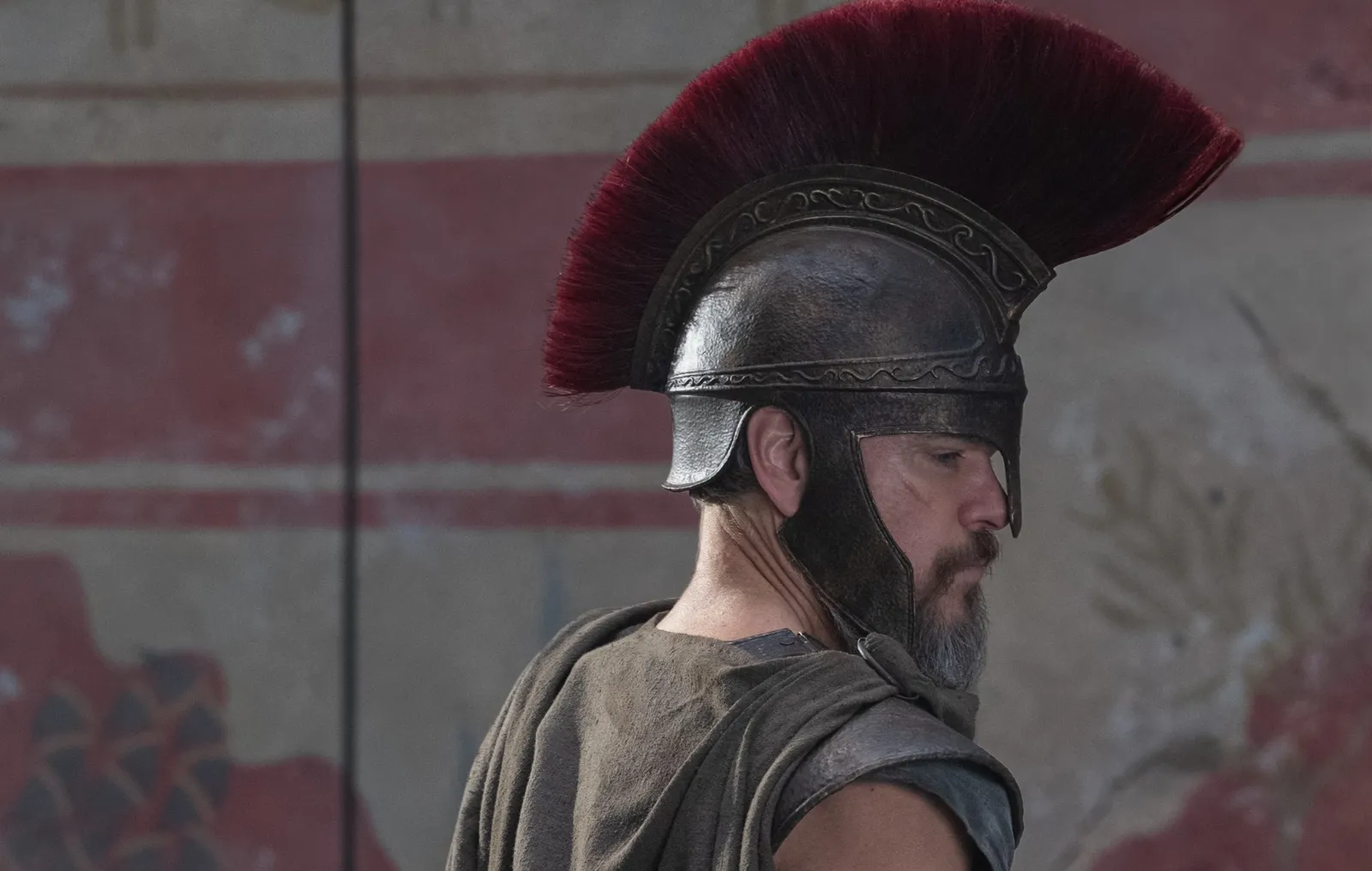
Universal allegedly left a $6,000 repair invoice unpaid for The Odyssey’s Viking ship
The owner says the Glad av Gillberga was damaged on set and an invoice for materials never got paid, despite repairs.

India’s paid music subscribers may reach 30M by 2028, EY-IMI projects
A forecast jumps from about 14M in Dec 2025 to 28M-30M in 2028, reshaping who can profit in streaming.
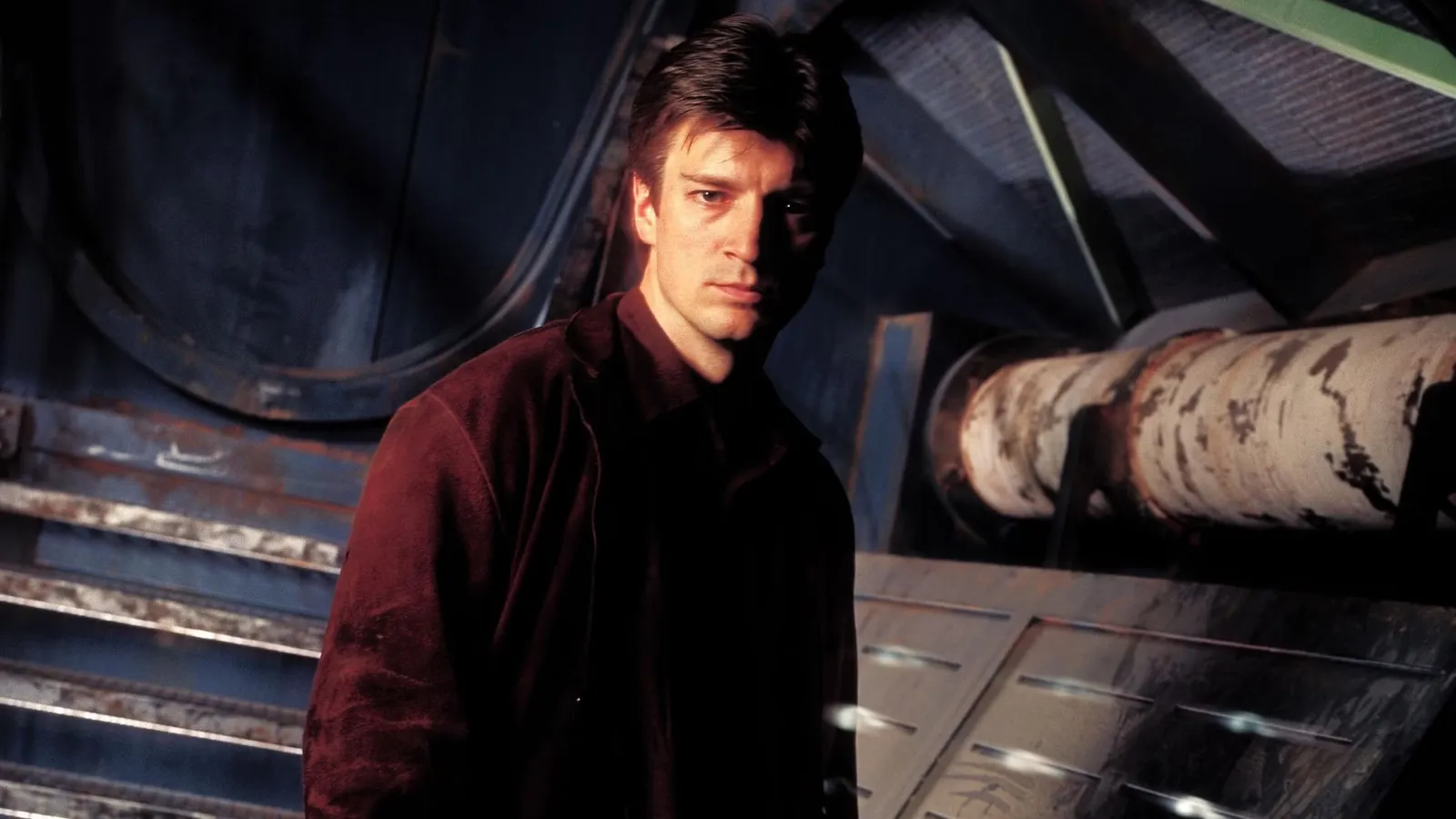
24 years after Mal Reynolds, Nathan Fillion flips his sci-fi hero role in Lanterns
For studio and audience strategists, Fillion’s Lanterns casting shows how nostalgia gets retooled into a fresh kind of hero.