

Banda El Recodo lights up Mexico City Zócalo for FIFA Fan Fest on June 11
The mother of all bands headlines an early FIFA World Cup 2026 festival moment at Plaza de la Constitución.
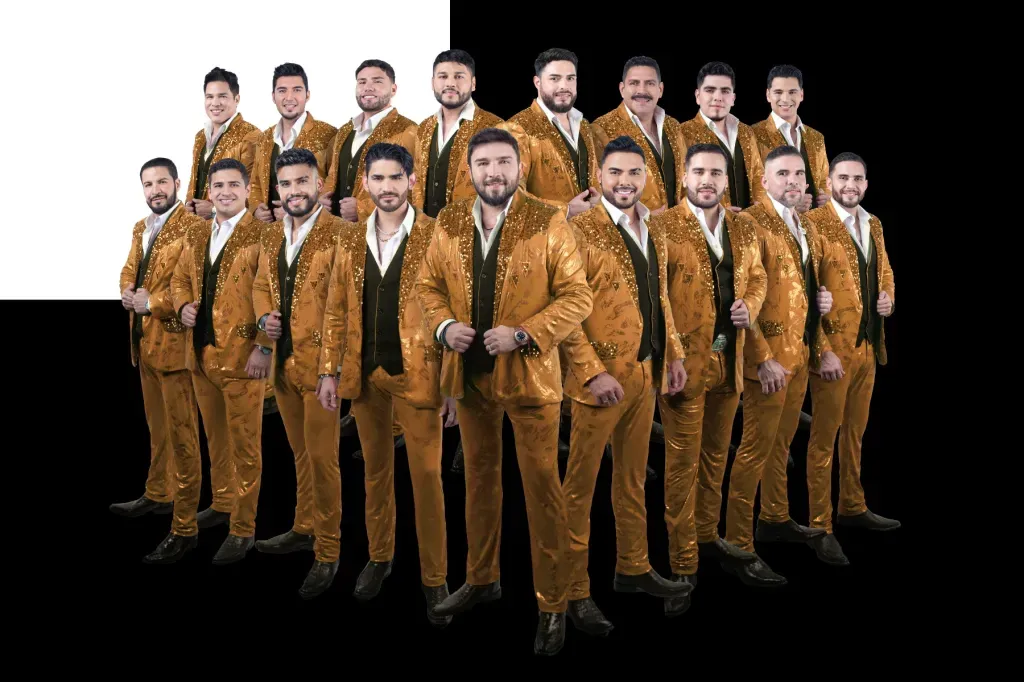
Banda El Recodo de Cruz Lizárraga will perform at Mexico City’s Zócalo as part of the FIFA Fan Fest on Thursday, June 11. For decision-makers, it signals FIFA’s playbook for turning stadium schedules into mass, place-based attention through local culture.
Banda El Recodo de Cruz Lizárraga is taking over Mexico City’s Zócalo on Thursday, June 11, headlining one of the first musical events of FIFA Fan Fest 2026 at Plaza de la Constitución. FIFA previewed the booking in a video posted Monday, June 8 on social media, describing the group as “the mother of all bands” and saying it will ignite the Zócalo with energy, tradition, and its unmistakable rhythm. The performance follows the match between Mexico and South Africa at Estadio Azteca, tying a specific game day moment to a mass audience setting in the country’s most symbolic public square.
For anyone who cares about what actually moves attention during major tournaments, this is the key linkage: FIFA is not just scheduling matches. It is designing a day-of engagement loop, from a stadium game at the Mexico City Stadium to a headline act in the Zócalo that aims to bring national and international fans together through soccer, music, and local culture. The presenter in the FIFA video did not specify the time of the show, but the sequencing is explicit, and the stakes are clear. If you can get tens or hundreds of thousands to show up for free, in a place that already functions like a social and political stage, you do not just “add” content. You manufacture a shared moment that spreads far beyond the venue.
That matters because the Zócalo is treated in the article as more than a backdrop. It is described as emblematic and highly significant, a square filled with symbolism where politics, social movements, culture, and religion converge. In other words, it is a high-visibility location with built-in cultural gravity. The piece also notes that it is the second-largest public square in the world, second only to Tiananmen Square in Beijing, which helps explain why artists and organizers chase it. When a headline name books the Zócalo, the event instantly becomes a story with stakes beyond the entertainment itself, because the location is already a narrative magnet.
FIFA’s choice of Banda El Recodo also reads like a deliberate local-culture signal. The group is presented as “the foremost representative” of Sinaloan music, which positions the festival as a showcase of place, not just a venue for globally recognized touring acts. The article puts Banda El Recodo de Cruz Lizárraga into a lineup that includes international stars like Chayanne, Enrique Iglesias, Grupo Firme, and Imagine Dragons. That mix matters for reach and retention. Local authenticity pulls in communities that feel ownership of the celebration, while international mainstream names broaden the funnel, especially for tourists and casual viewers who follow world cup headlines but may not already have a connection to the regional music ecosystem.
This is not happening in isolation. The article names other host cities for the FIFA Fan Festival 2026 in Mexico, including Monterrey and Guadalajara, in addition to Mexico City. That matters from an operational standpoint: each city can lean into its own cultural center, but FIFA needs a consistent festival identity. The Zócalo booking gives Mexico City a flagship moment tied to the opening rhythm of the day, and it gives FIFA a repeatable template: schedule a major match, then extend the fan experience into a symbolic public square with a headline performer.
The Zócalo’s track record also raises the expected ceiling for visibility. The article lists major international artists who have performed there in front of thousands, including Paul McCartney, Roger Waters, Justin Bieber, Shakira, Los Fabulosos Cadillacs, and Grupo Firme. It specifically references that Rosalía and New York band Interpol reportedly described their shows as the “biggest” of their careers. And it anchors expectations with a recent data point: this past March, Shakira became the artist to draw the largest audience for a free concert at the Zócalo, gathering 400,000 attendees. Even though the article does not give a predicted turnout for June 11, that March benchmark is a powerful reminder that free, public, headline programming at this location can scale quickly.
For decision-makers in adjacent industries, the second-order implication is straightforward: festival partnerships are increasingly about distribution of attention in the real world, not just branded moments online. If you are managing brand equity, sponsorship strategy, or event programming during World Cup year, the question is not only “who performs.” It is how the programming uses geography, timing, and cultural legitimacy to convert foot traffic into cultural reach. FIFA is effectively turning Mexico City’s Zócalo into a megaphone for a larger festival narrative, and Banda El Recodo is the type of act that can make that narrative feel locally true while still being globally legible.
This story's Key Insights and Take-aways are locked.
Create a free account to unlock Executive Actions for one credit.
Register to UnlockAlways free for Executives Club members. Join the Club
More in Entertainment

Christopher Nolan’s “The Odyssey” posts his biggest Tuesday haul, surpassing “The Dark Knight’s” record
The film’s Tuesday breakout reframes Nolan’s box-office ceiling and forces competitors to rethink timing, budgets, and release strategy.

Kacey Musgraves cancels Aug. 20, 29, Sept. 2 Middle of Nowhere shows
Ticketmaster emails are telling fans refunds are coming, while the tour still starts Aug. 21 in Chicago.

Billie Joe Armstrong launches Epiphone Les Paul Junior and Marshall 1959BJA signature gear
Two limited releases turn decades of Green Day’s tone into branded hardware, including Marshall’s first artist amp in 14 years.