

Bari Weiss defends Scott Pelley firing as CBS News forces a hard parting of ways
The dismissal of a 60 Minutes icon signals a massive leadership shift and a new editorial direction under CBS News Editor in Chief Bari Weiss.
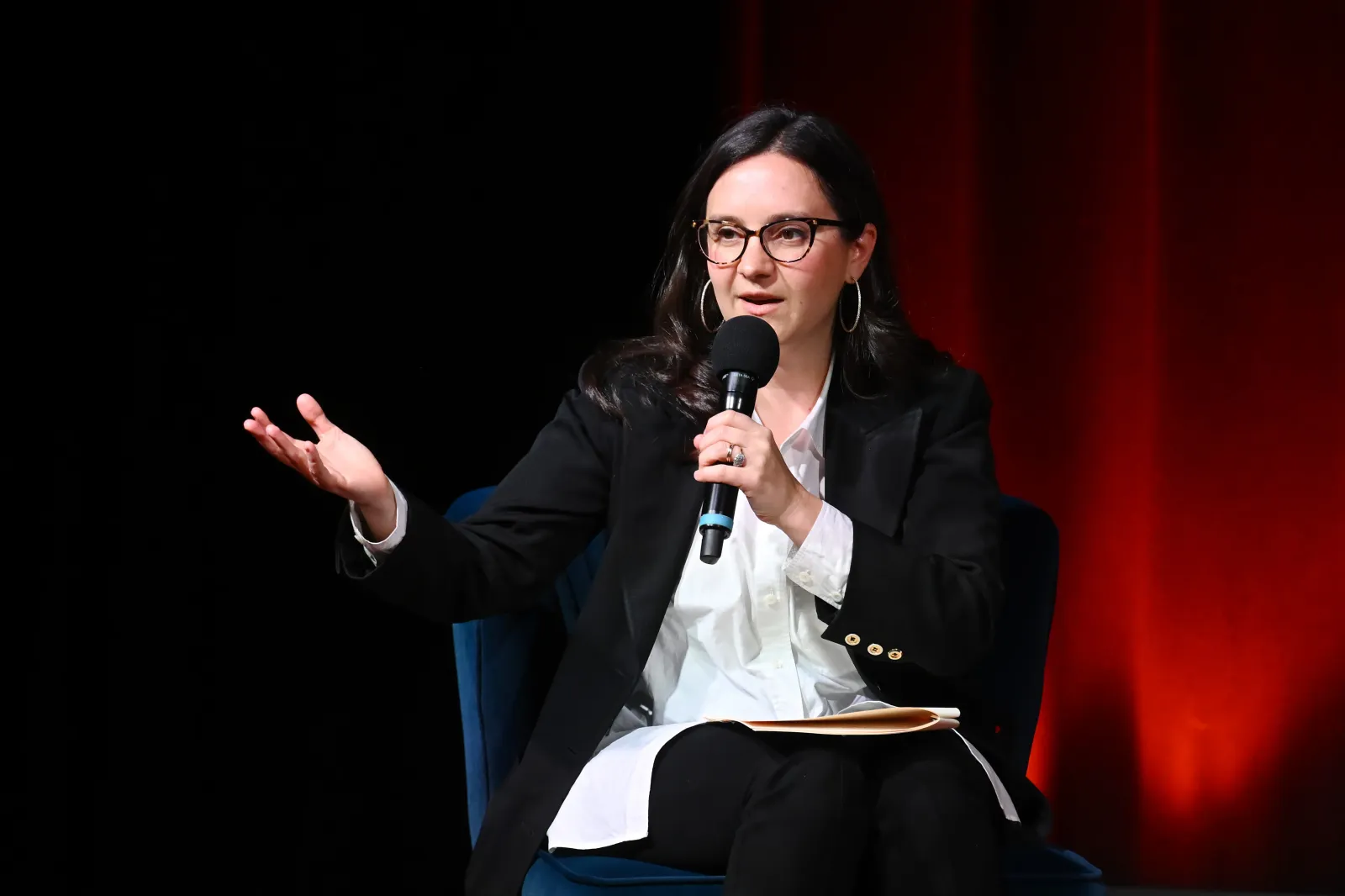
CBS News Editor in Chief Bari Weiss has defended the decision to fire 60 Minutes correspondent Scott Pelley. This move marks a significant shakeup in the newsmagazine's leadership and editorial structure.
CBS News Editor in Chief Bari Weiss stood her ground on Wednesday, defending the network's decision to fire longtime 60 Minutes correspondent Scott Pelley. Addressing staffers directly, Weiss characterized the move as an inevitable conclusion, stating that after the network attempted to engage with Pelley, they simply "had to part ways." The decision marks the end of an era for one of the most recognizable faces in broadcast journalism, signaling a decisive break from the previous guard at the legendary newsmagazine.
The fallout from the decision was formalized through a letter written to Pelley by Nick Bilton, the man Weiss tapped as the new executive producer of 60 Minutes just last week. This rapid succession of leadership changes suggests a coordinated effort by Weiss to overhaul the newsmagazine's operational and editorial framework. While the specific internal friction that led to the termination remains a matter of internal discussion, the message from the top is clear: the era of Pelley's tenure has concluded, and the network is moving in a different direction.
To understand the gravity of this shift, one must look at the institutional weight of 60 Minutes. As a cornerstone of the CBS News portfolio, the program is not just a source of revenue but a primary driver of brand authority and prestige. When an Editor in Chief moves to replace a veteran correspondent, it is rarely a localized personnel issue; it is a strategic signal to the market and the industry about the network's evolving values and editorial priorities. For decision-makers in media, this represents a high-stakes pivot where the cost of maintaining legacy talent is weighed against the perceived necessity of a fresh organizational culture.
The timing of this dismissal, following Bilton's appointment as executive producer, points to a broader restructuring phase. In large-scale media organizations, these transitions often occur when leadership identifies a misalignment between existing talent and a new strategic roadmap. Weiss's assertion that Pelley "chose" this path suggests a narrative of incompatibility rather than a simple disciplinary action. For executives navigating similar organizational transformations, this highlights the delicate balance between honoring institutional history and executing a necessary, albeit disruptive, vision for the future.
Beyond the immediate newsroom tension, this move carries implications for the broader media landscape. As traditional news outlets face intense pressure from digital disruptors and shifting audience demographics, the internal politics of legacy brands like CBS become increasingly consequential. The ability of an Editor in Chief to successfully execute a high-profile replacement without triggering a mass exodus of talent or a collapse in viewer trust is the ultimate test of leadership. Weiss is essentially conducting a stress test on the resilience of the 60 Minutes brand under a new management regime.
Ultimately, the Pelley departure serves as a case study in organizational realignment. For founders and operators in any sector, the lesson is one of decisive action. When a key player no longer fits the strategic trajectory of the firm, the cost of hesitation often exceeds the cost of a clean break. Weiss has opted for the latter, betting that the new leadership of Bilton and herself can redefine the standard for 60 Minutes while managing the inevitable friction that accompanies such a significant cultural and professional shift.
This story's Key Insights and Take-aways are locked.
Create a free account to unlock Executive Actions for one credit.
Register to UnlockAlways free for Executives Club members. Join the Club
More in Entertainment

Christopher Nolan’s “The Odyssey” posts his biggest Tuesday haul, surpassing “The Dark Knight’s” record
The film’s Tuesday breakout reframes Nolan’s box-office ceiling and forces competitors to rethink timing, budgets, and release strategy.

Kacey Musgraves cancels Aug. 20, 29, Sept. 2 Middle of Nowhere shows
Ticketmaster emails are telling fans refunds are coming, while the tour still starts Aug. 21 in Chicago.

Billie Joe Armstrong launches Epiphone Les Paul Junior and Marshall 1959BJA signature gear
Two limited releases turn decades of Green Day’s tone into branded hardware, including Marshall’s first artist amp in 14 years.