
Bari Weiss fires Scott Pelley after he accuses CBS leadership of killing 60 Minutes
A heated newsroom confrontation over leadership changes has ended in a high-stakes termination for the legendary correspondent.
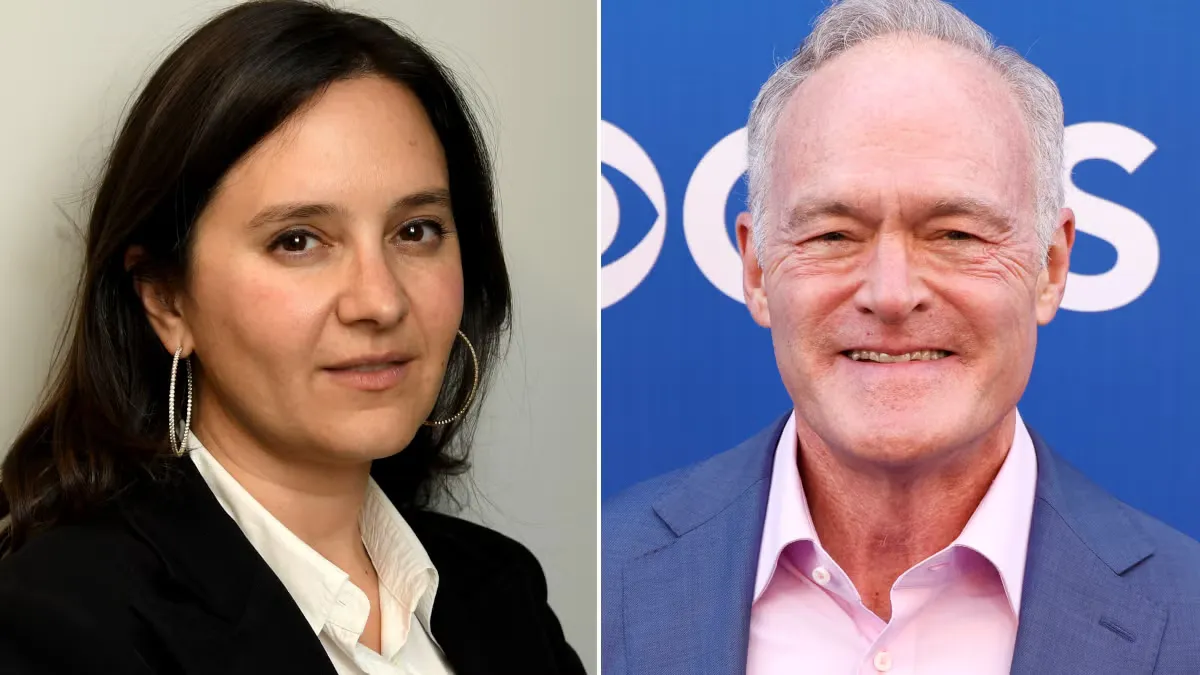
CBS News Editor in Chief Bari Weiss has terminated veteran correspondent Scott Pelley for cause following a volatile staff meeting. The move signals a massive cultural and structural shift at the network as new leadership attempts to overhaul legacy programming.
CBS News Editor in Chief Bari Weiss has officially parted ways with legendary correspondent Scott Pelley, citing a fundamental breach of trust and mutual respect. The decision, delivered during a Wednesday morning conference call with staffers, follows a chaotic Monday meeting where Pelley reportedly lashed out at Weiss and incoming executive producer Nick Bilton. Weiss defended the termination, stating that while the organization did not want to lose Pelley's talent, the veteran journalist chose a path that made his continued employment impossible. This is not just a personnel dispute; it is a public fracturing of one of the most storied newsrooms in American media.
The confrontation reached a breaking point during a staff meeting intended to introduce Bilton, the replacement for dismissed executive producer Tanya Simon. According to leaked audio, Pelley did not hold back, accusing Weiss of actively destroying the institution. "She's murdering '60 Minutes.' She does not love this place," Pelley reportedly told the room, adding that Weiss was brought in specifically to kill the program. Pelley also targeted Bilton, creating a level of friction that Bilton later characterized as an irreconcilable antipathy to the future of the show. By Tuesday evening, Bilton had issued a formal letter to Pelley, informing him that his employment was terminated for cause, effective immediately.
To understand the gravity of this shakeup, one must look at the broader restructuring currently underway at CBS. The dismissal of Pelley follows a wave of departures, including the exit of executive producer Tanya Simon and several other correspondents, such as "Inside CECOT" journalist Sharyn Alfonsi. For an organization built on the prestige of brands like "60 Minutes," these rapid-fire exits suggest a management team aggressively clearing the deck to implement a new vision. Weiss has framed this transition as a necessary pursuit of a newsroom built on a specific foundation of respect, even if the cost is losing a foundational figure of the network.
However, Pelley has not gone quietly, and his exit carries heavy political and regulatory undertones. In a lengthy note released Tuesday, Pelley leveled a serious accusation against Paramount CEO David Ellison, suggesting the move was a calculated political maneuver. Pelley claimed that the decision to cast aside a media legend was an attempt by Ellison to "curry favor" with the incoming Trump administration. This accusation places the internal newsroom drama into a much larger geopolitical and regulatory context, as Ellison's Paramount Skydance is currently navigating the complexities of seeking final approval from the Department of Justice regarding the Warner Bros. Discovery merger.
The intersection of media leadership, corporate mergers, and political maneuvering creates a high-stakes environment for all major news organizations. When a CEO is simultaneously managing a massive merger that requires federal approval while also restructuring the editorial core of their flagship properties, the margin for error is razor-thin. Pelley's claim that the network is being reshaped to suit political interests suggests that the tension between editorial independence and corporate survival is reaching a fever pitch. For observers, the question is whether Weiss and Bilton can successfully rebuild the culture of "60 Minutes" or if the loss of institutional memory will leave a permanent void.
Ultimately, this incident serves as a case study in the volatility of leadership transitions within legacy institutions. When new executives arrive with a mandate for change, they often encounter intense resistance from the very talent that built the brand's value. For boards and CEOs, the Pelley-Weiss conflict highlights the difficulty of balancing the need for structural modernization with the preservation of the human capital that defines a company's reputation. As Paramount moves through its regulatory hurdles, the stability of its news division will remain a critical metric for both investors and the public.
This story's Key Insights and Take-aways are locked.
Create a free account to unlock Executive Actions for one credit.
Register to UnlockAlways free for Executives Club members. Join the Club
More in Entertainment

Christopher Nolan’s “The Odyssey” posts his biggest Tuesday haul, surpassing “The Dark Knight’s” record
The film’s Tuesday breakout reframes Nolan’s box-office ceiling and forces competitors to rethink timing, budgets, and release strategy.

Kacey Musgraves cancels Aug. 20, 29, Sept. 2 Middle of Nowhere shows
Ticketmaster emails are telling fans refunds are coming, while the tour still starts Aug. 21 in Chicago.

Billie Joe Armstrong launches Epiphone Les Paul Junior and Marshall 1959BJA signature gear
Two limited releases turn decades of Green Day’s tone into branded hardware, including Marshall’s first artist amp in 14 years.