
BBC erased The Beatles 1964 Top of the Pops clip, but 35mm footage survived
A lost Beatles performance is back thanks to British conservationists, turning media archival risk into real leverage.
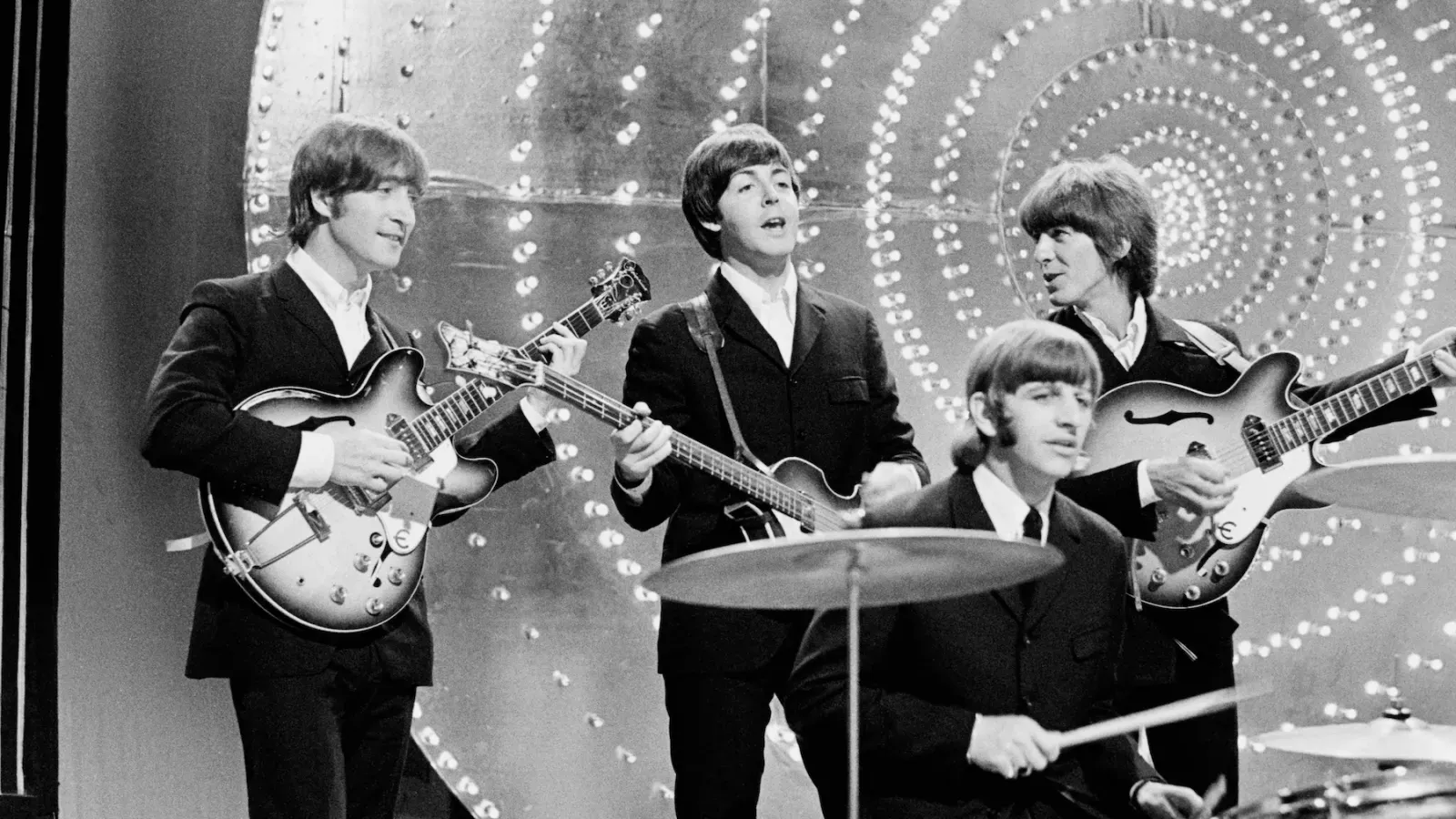
British conservationists recovered 35mm footage of The Beatles' 1964 Top of the Pops appearance, after BBC archives erased the original tape. For decision-makers across media, this is a stark reminder: preservation practices can decide what exists tomorrow, not just what is profitable today.
Footage of The Beatles' 1964 Top of the Pops appearance, where the Fab Four performed "Can’t Buy Me Love" and "You Can’t Do That," had been erased from BBC archives. That should have meant it was gone for good. It wasn’t.
British conservationists obtained 35mm footage of the performance, bringing the “long-lost first-ever ‘Top of the Pops’ performance” back from the brink. In other words, the physical backup was out there, and someone actually managed to find it, restore it, and connect it to the historical record that broadcasting institutions believed they controlled.
This is the kind of story that sounds like pop trivia until you zoom out and realize it is really about risk management. Broadcast companies run modern operations with clean systems and metadata. But the industry’s older material lived on formats that were expensive to store and complicated to preserve. When tapes are reused, cataloging isn’t perfect, or storage rules change, the loss is permanent. The Beatles clip becoming recoverable only after it was erased is a concrete example of an uncomfortable truth: the gap between “archived” and “actually preserved” can be the difference between a future asset and a historical shrug.
There is also an institutional incentive angle worth noting. The BBC was the broadcaster that erased the original footage, which raises the question executives and boards should always ask internally: what portion of our “content library” is only conditionally recoverable? If internal departments and outside partners treat preservation as an afterthought, the organization may look efficient today while setting up expensive, reputationally painful repair work later. Conservationists getting the 35mm footage is not a miracle; it is a response to a structural failure mode.
Why does that matter beyond nostalgia? Because media assets can become strategy, licensing leverage, and audience trust. A recovered 1964 performance is not just cultural capital. It is a permissions and rights puzzle, a rights-holder coordination job, and a brand trust moment for the people who want to tell stories truthfully, with provenance. When archival material disappears, future re-releases and platform remastering become harder. When it reappears, the organization that can responsibly steward it has an edge over competitors that must operate with gaps.
This is also a regulatory-adjacent lesson, even if the source does not name specific regulators. Cultural heritage and information preservation often sit in the orbit of public accountability. Broadcasters are not only commercial operators; they also create public records. That means decisions about storage, retention, and deletion can later be viewed through a stewardship lens. Executives who treat those decisions as purely operational are the ones who get blindsided when historians, conservation groups, and fans show up with hard evidence that the “archive” was not truly durable.
Second-order implications ripple outward. Platforms and studios that depend on archival libraries inherit the quality of those upstream preservation choices. If original elements are missing, downstream parties may end up relying on lower-quality substitutes or incomplete materials, which affects everything from monetization to scholarship. It also changes negotiation dynamics: scarcity increases leverage for whoever holds the surviving elements and the ability to verify them.
For boards and senior managers, the stakes are simple: the cost to preserve content is usually known, while the cost of losing it often arrives with interest. The Beatles performance was erased from BBC archives, yet 35mm footage was still out there because British conservationists obtained it. That combination, erased original plus surviving film, is a reminder that archival decisions are never neutral. They decide what future generations can see, what brands can credibly reuse, and which institutions get to tell the story without missing pieces.
Rolling Stone’s headline frames this as “long-lost” and celebrates the recovery, but the executive takeaway is broader: preservation is not a back-office chore. It is an operational capability and a strategic asset class, and the market punishes weakness in durability. The Fab Four’s 1964 Top of the Pops moment is just the proof-of-life that content history depends on policy, storage discipline, and real conservation partners.
This story's Key Insights and Take-aways are locked.
Create a free account to unlock Executive Actions for one credit.
Register to UnlockAlways free for Executives Club members. Join the Club
More in Entertainment

Ubisoft co-founder Claude Guillemot dies in June 19 plane crash
The Ubisoft co-founder behind breakout franchises is gone, forcing the company to absorb shock and preserve continuity.
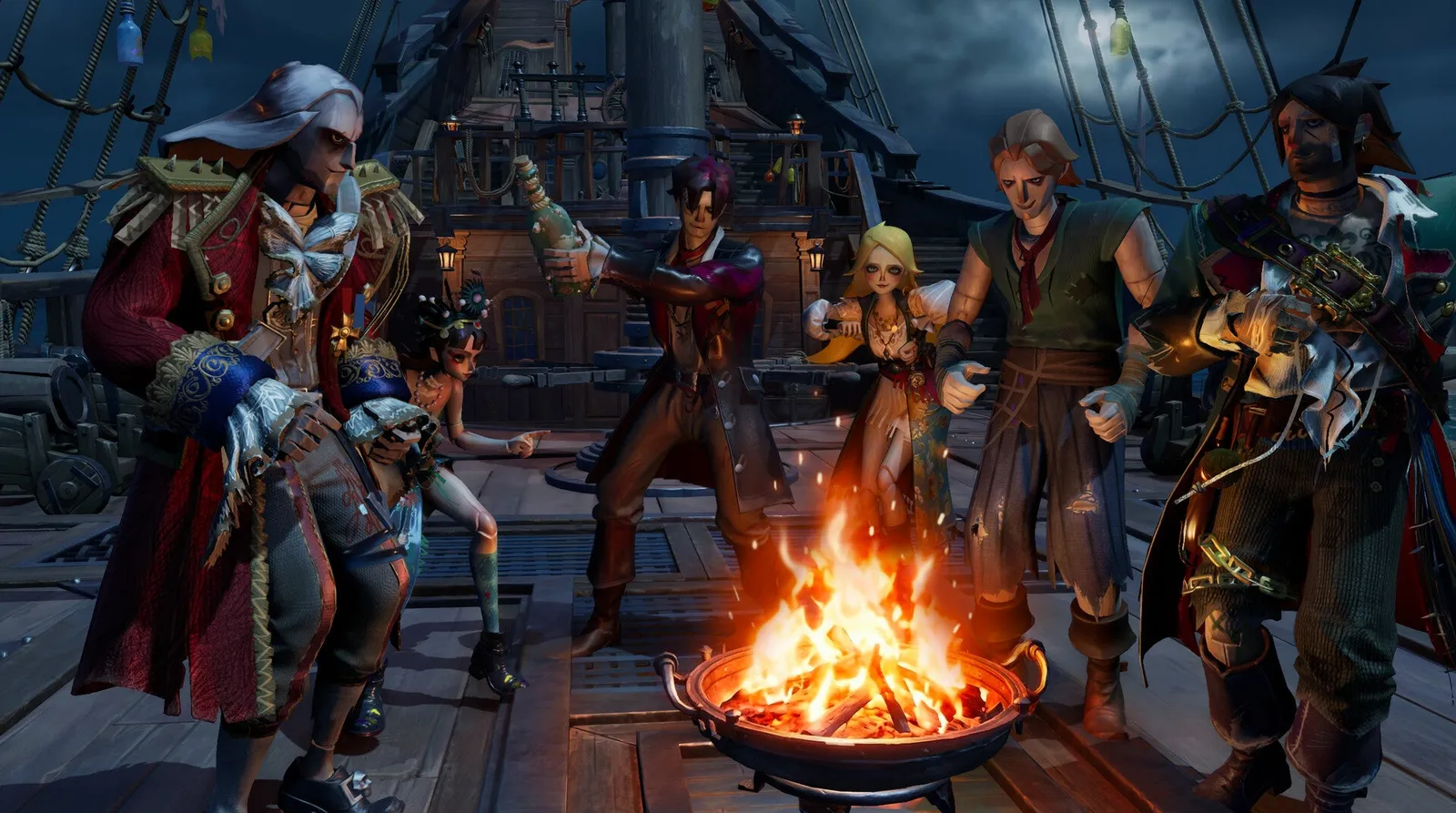
Sea of Remnants turns ship combat into Kraken chaos, then wipes you completely
A Summer Game Fest 2026 demo shows gorgeous puppet-punk oceans, turn-based crew fights, and a time-slowing boss ambush.
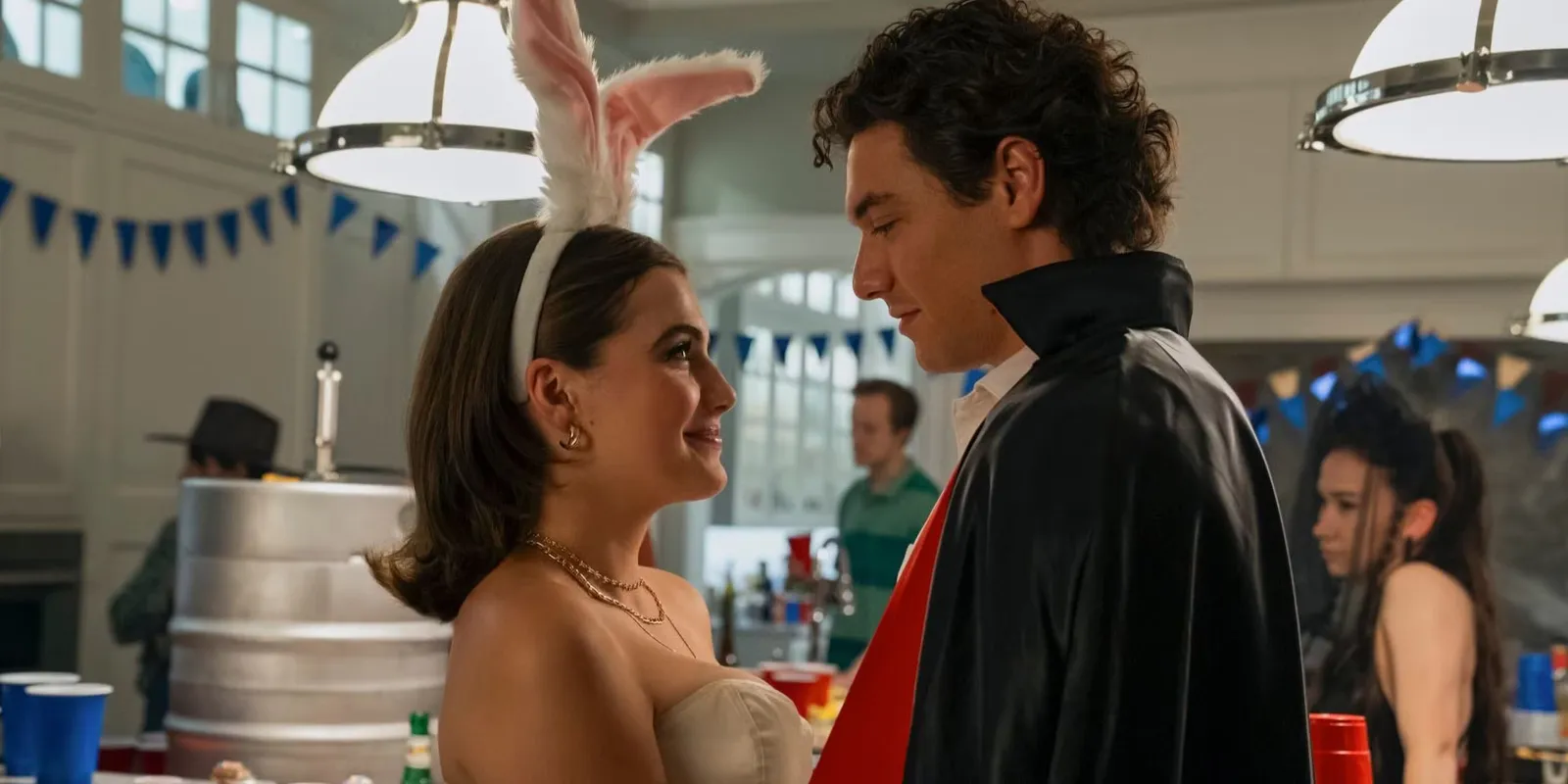
Off Campus jumps 34% in week 2 on Prime Video, boosting Gen Z romance grip
Prime Video’s newest “romance drama” keeps gaining, with a 34% second-week viewership lift and a key 18-34 edge.