
BBC plans YouTube test for its 24/7 news channel in select non-UK countries
A BBC 24-hour rolling news experiment on Google-owned YouTube could reshape how broadcasters package and distribute live news abroad.
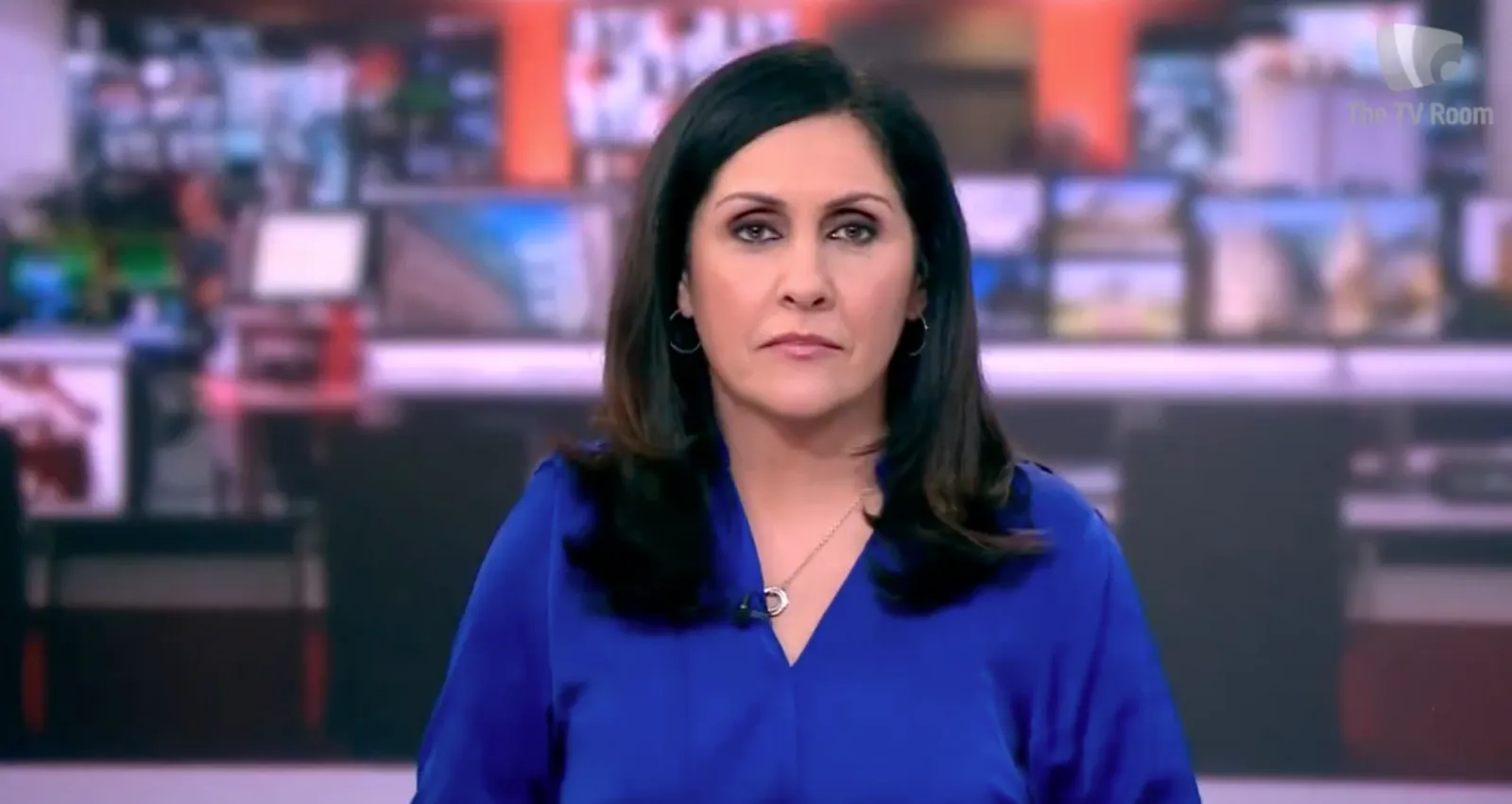
The BBC is planning to make its 24-hour rolling news channel available on YouTube in select countries outside the UK, with Australia reportedly under discussion. For decision-makers, the move signals accelerating competition for audience attention and streaming distribution deals beyond traditional pay-TV and broadcast rails.
The BBC is about to push its live news into a new arena. Deadline reports that the British broadcaster is planning to make its 24-hour rolling news channel available on YouTube in select countries outside the UK, with Australia among the territories under discussion.
This matters because the BBC is not just experimenting with clips. A 24-hour rolling news channel is a deliberate bet on “always-on” distribution, and doing that on YouTube changes who gets to compete for the next view. Instead of routing viewers through UK-focused broadcast habits, the BBC is testing whether Google-owned video can serve as an international delivery layer for a continuous news stream.
For operators and executives, the core incentive is reach, but the mechanics are more nuanced. Traditional broadcast and cable distribution still carry advantages like bundled carriage, predictable measurement, and established newsroom workflows. But streaming platforms can compress the distance between producer and audience. Put simply: YouTube can shorten the path from “we publish” to “someone watches,” especially when the platform already has scale and discovery tools.
There is also a distribution strategy implication hiding inside the simple phrase “select countries.” If the BBC is choosing trial markets rather than going all-in everywhere, it suggests a controlled approach to learning. Rolling-news format is resource-heavy, and platform-specific engagement can differ widely by region. The BBC appears to be trying to answer a practical question: can a 24-hour channel retain value and audience behavior when the environment is primarily built for on-demand video, creator-driven feeds, and algorithmic recommendations?
Then there is the regulatory context, which is easy to miss if you only track distribution headlines. The BBC is a publicly funded broadcaster with a particular standing and obligations in its home market. Taking its news programming onto a major US-based platform for non-UK distribution raises different concerns than streaming a single show or offering short segments. Even without quoting regulators, the direction of travel is clear: international broadcasters are increasingly negotiating how news content coexists with platform policies, ad models, data practices, and local media rules. A test in countries like Australia is not just a technical deployment, it is also a signal about how broadcasters expect to operate within each market’s expectations.
Second-order, this kind of move changes the bargaining landscape for peers. If the BBC can establish a reliable streaming distribution pattern on YouTube for an always-on news channel, other broadcasters may feel pressure to match distribution ubiquity, particularly in markets where streaming-first audiences are growing. That does not automatically mean everyone will replicate the same format. Some may decide that linear-like rollouts work better on other platforms, while others might lean toward hybrid strategies, using continuous streams where demand supports it and repackaging into short and mid-form where it does not.
There is also a product and measurement angle that matters to leadership teams. A rolling news channel behaves differently from a typical library catalog. Executives will likely care about viewer retention across time, repeat consumption, and how live or “scheduled” viewing competes with the platform’s always-available feed. If the BBC learns that the audience treats the stream like background or fallback news, it may influence future editorial and technical decisions. If it learns the opposite, it may push the BBC back toward more traditional distribution. Either outcome is valuable, and the “select countries outside the UK” framing suggests the broadcaster wants answers without taking a full reputational or operational hit everywhere at once.
This story's Key Insights and Take-aways are locked.
Create a free account to unlock Executive Actions for one credit.
Register to UnlockAlways free for Executives Club members. Join the Club
More in Entertainment

Deltarune Chapter 5 smashes 300,000 Steam peak just minutes after launch
Within minutes, Toby Fox's episodic RPG blows past its own record, changing what “momentum” looks like on Steam.

Chuck Tingle writes a Warhammer 40K Tingler about Warpounder miniatures and spending $
His latest short erotic fiction leans hard into the Warhammer obsession loop: the hobby purchase, the unfinished paint job, and the payoff.

Hundred Nights: DIFU turns purgatory into an underworld ops simulator with D-Cash losses
A Two Point-style management loop, built on Chinese mythology, where staffing, decor, and punishment all affect your balance sheet.