
Big Brother 28 premiere: Frankie Grande defends “Camp Is Part Of Its DNA” after volcano exit
After the Season 28 premiere’s erupting-volcano moment, Frankie Grande pushes back on a critic and doubles down on the vibe.
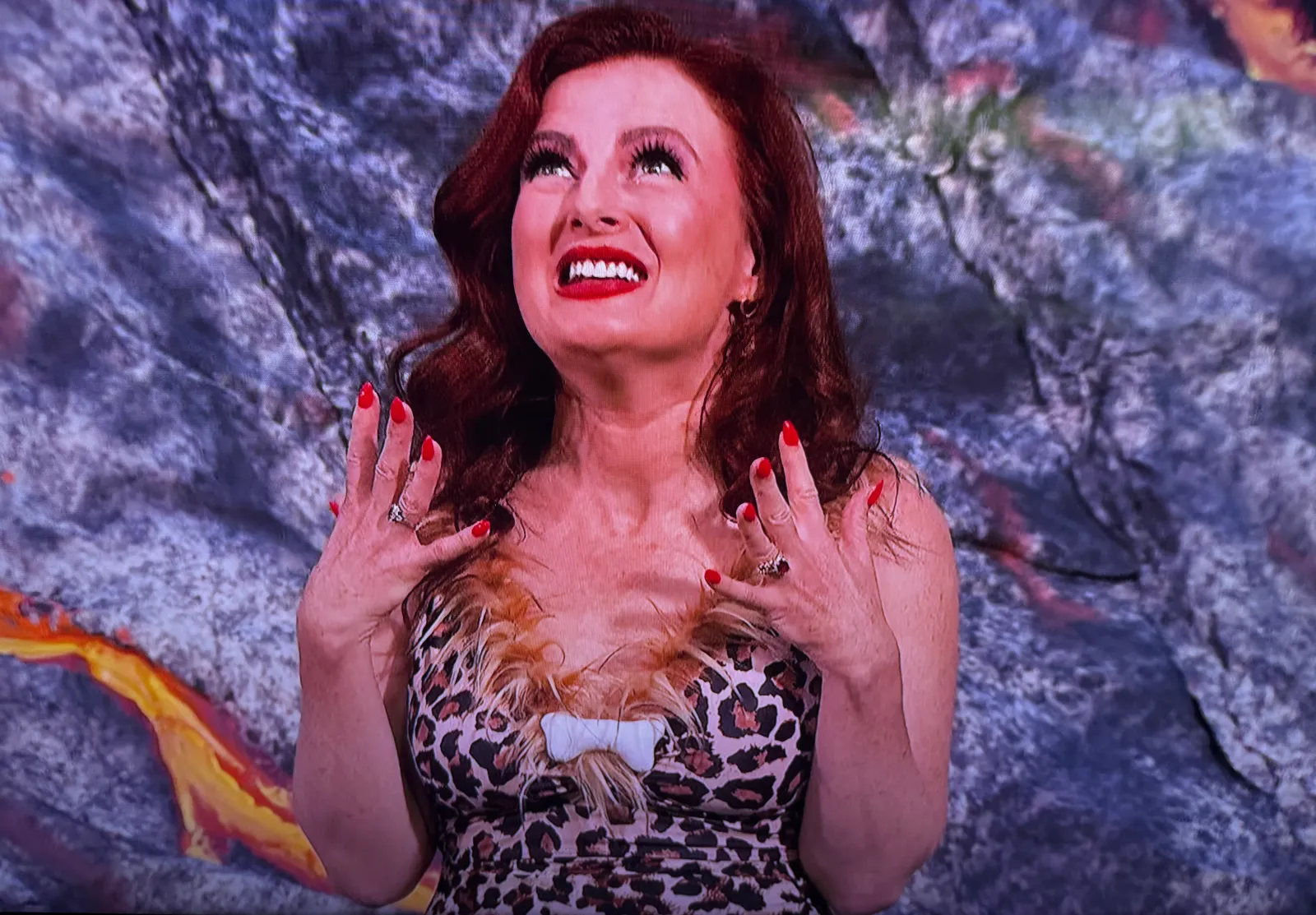
Frankie Grande defended the Big Brother 28 premiere after a critic took a swipe, pointing to the show’s “Camp” identity. The exchange matters because reality TV is increasingly a brand battle, where audience trust and narrative control can swing next-day momentum.
Spoiler alert: the Big Brother 28 premiere on CBS delivered three appearances by former CBS reality stars on July 9, but it also served up a moment that none of them seemed prepared for. One contestant made an unexpected exit by falling into an erupting volcano. Silly? Sure, but it also did something more important than get laughs: it set the tone for how the season will be judged, shared, and argued about immediately after air.
That tone came under scrutiny fast. According to Deadline, Frankie Grande stepped in to defend the premiere after a critic took a swipe, using the line “Camp Is Part Of Its DNA.” In other words, he did not treat the volcano gag as an anomaly. He framed it as intentional DNA, which is a very different message to fans than “it was just a random weird moment.” If you are thinking about what a brand should do after a high-profile scene goes viral, this is the play: own the identity instead of apologizing for it.
Reality television operates on a strange treadmill. The shows need people to react, but the reactions come with a second layer: legitimacy. “Camp” can be read as playful and theatrical, or it can be read as unserious and beneath the viewer. When a critic challenges that framing, the immediate risk is not that the show stops being entertaining. The risk is that the narrative shifts from “this is fun” to “this is embarrassing,” because viewers often decide whether to keep watching based on how the culture interprets the tone.
That is why Grande’s response matters even outside the fan bubble. Frankie Grande is a recognizable public figure in the reality and entertainment ecosystem, and his defense is essentially a brand management move. It tells the audience, early in the season, how to interpret what they are seeing. And it does it fast, before the criticism fully calcifies into the default storyline. The volcano exit is the kind of image that spreads without needing context, but context is what determines whether the spread creates momentum or resistance.
Deadline’s framing also highlights the premiere’s structure. Former CBS reality stars appeared three separate times in the Season 28 premiere, which is a familiar tactic in reality TV: leverage known faces to pull in established audiences while keeping the show’s core premise fresh. But the unexpected volcano exit is the wild card that breaks the expectation. It forces viewers to recalibrate. Are they watching a strategy contest, a social experiment, or a spectacle? Grande’s “Camp” line pushes toward the third option, and that affects what the audience will reward going forward.
There is also a feedback loop here. In modern media, early-season episodes do not just perform once during airtime. They become assets for headlines, clips, and commentary, and commentary often starts with tone. A critic’s swipe creates a narrative hook. If the show responds with clarity, it can turn criticism into a kind of publicity. Grande’s defense tries to do that by re-labeling the contested element as part of the show’s identity rather than an error.
If you zoom out, this is where executives, boards, and operators can connect the dots. Reality brands are not only competing for viewership. They are competing for interpretive control, meaning who gets to define what the show is “supposed” to be. When fans feel the show knows what it is doing, they are more likely to give it room to be bold. When they feel the show is improvising without conviction, they punish it with disengagement.
So the strategic stakes for decision-makers in entertainment are pretty clear. After the July 9 premiere, with former CBS reality stars in the mix and one dramatic exit into an erupting volcano, the conversation quickly moved from “did you see that?” to “what does it mean?” Grande’s defense, “Camp Is Part Of Its DNA,” is an attempt to lock in meaning early. For anyone leading a content brand, that is the lesson: when the audience reacts to a signature moment, the response has to match the brand, not just the controversy.
This story's Key Insights and Take-aways are locked.
Create a free account to unlock Executive Actions for one credit.
Register to UnlockAlways free for Executives Club members. Join the Club
More in Entertainment

12TB Steam 'teraleak' goes beyond Valve: GTA 3, Mafia 2 prototypes exposed
A 12-terabyte dump of Steam data reveals prototypes and builds of third-party classics like GTA 3 and Mafia 2, plus unreleased Valve content, rewriting game history.

LinkedIn's romance problem: 1 in 4 workers say dating on it is fair game
A new survey shows a quarter of U.S. employees treat the professional network as fair game for romance, even as LinkedIn bans it and removes hundreds of thousands of offending posts.

Enhypen's first No. 1 album breaks K-pop's Billboard 200 streak
The K-pop group's 98,000-unit debut tops the chart while Dolly Parton's catalog reentry shows how death reshapes streaming.