

Bill Simmons’s AI Roger Ebert Stunt Is Driving His Co-Hosts Crazy
The Ringer founder’s new habit of using AI to resurrect the late critic’s takes-while OpenAI ads bankroll the show-has his own team rolling their eyes.
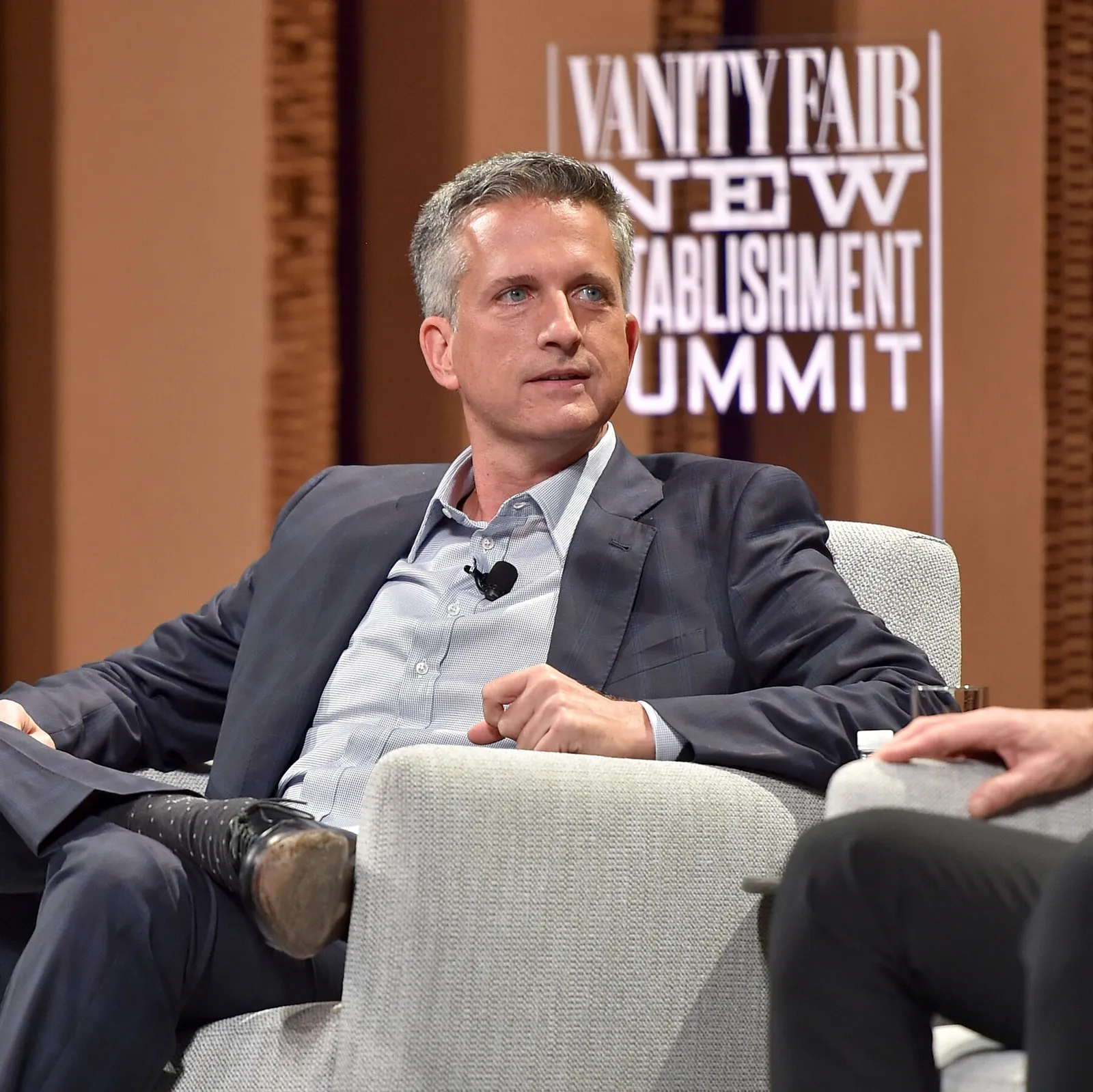
Bill Simmons, founder of The Ringer, is facing internal backlash from his co-hosts over his use of artificial intelligence to generate opinions from deceased film critic Roger Ebert, even as OpenAI advertising dollars flow into the network. The tension highlights the growing discomfort even inside media companies that are cashing in on AI’s commercial potential.
Bill Simmons built a media empire on hot takes, but his latest bit is leaving his own co-hosts cold. The Ringer founder has been using AI to conjure up opinions from the late Roger Ebert, the legendary film critic who died in 2013, and the schtick is wearing thin with the people who have to sit next to him on air. According to a report from The New York Times, Simmons’s co-hosts are tired of the AI-generated Ebert segments, which they see as a gimmick that undermines the authenticity that made The Ringer a cultural force in the first place. The irony? OpenAI, the very company powering the technology Simmons is playing with, is also running ads on his shows. That’s a cozy arrangement that raises questions about whether the financial upside is blinding the network to the creative and ethical downsides of AI-generated content-especially when it involves a dead person’s voice and reputation.
For the uninitiated, Simmons is the guy who turned sports blogging into a billion-dollar media business. He founded The Ringer in 2016 after stints at ESPN and Grantland, and he’s built a loyal audience with his unfiltered, conversational style across podcasts, articles, and video. His shows are a mix of sports, pop culture, and entertainment analysis, and he’s known for riffing on everything from NBA trades to the latest Marvel movie. But the AI Roger Ebert bit is a different beast. Instead of Simmons offering his own take on a film, he feeds a prompt into an AI model and lets it spit out something that sounds like Ebert-complete with the critic’s signature wit and gravitas. It’s a trick that’s gotten laughs, but also groans. Co-hosts have reportedly pushed back, arguing that it’s disrespectful to Ebert’s legacy and that it cheapens the show’s credibility. Simmons, for his part, has defended it as a fun experiment, but the friction is real.
The timing couldn’t be more awkward. OpenAI has been aggressively courting media partnerships, and The Ringer is just one of several outlets that have signed on to run ads for the company. That means Simmons is simultaneously profiting from AI’s commercial reach while using that same technology to resurrect a dead critic for entertainment. It’s a conflict of interest that doesn’t sit well with everyone, especially in an industry already on edge about AI replacing human writers and critics. The Writers Guild of America and SAG-AFTRA have both made AI a central issue in recent strikes, and the idea of a major media figure using AI to mimic a deceased critic feels like a line being crossed-even if it’s done in jest. For Simmons, who has built his brand on being the authentic, everyman voice, the move risks alienating the very audience that trusts him to be real.
This isn’t just a celebrity squabble. It’s a window into the broader tension ripping through media and tech right now. On one hand, AI offers incredible tools for creativity and efficiency-it can draft scripts, generate ideas, and even mimic voices. On the other, it raises thorny questions about consent, intellectual property, and the value of human expression. When a company like OpenAI is paying for ads while its technology is used to impersonate a dead person, it blurs the line between innovation and exploitation. For executives and founders watching this play out, the lesson is clear: AI isn’t just a tool; it’s a minefield. The Ringer’s situation is a case study in how quickly a fun experiment can become a PR headache, especially when your own team is the first to push back.
The bigger picture is about trust. Media companies are racing to integrate AI into their workflows, but they’re doing so in a landscape where audiences are increasingly skeptical of anything that feels manufactured. Simmons’s co-hosts aren’t just being sensitive; they’re responding to a real shift in audience expectations. People tune into The Ringer because they want Simmons’s unfiltered takes, not a simulation of a dead critic’s takes. If the network becomes known for AI gimmicks, it risks losing the authenticity that’s been its competitive advantage. And with OpenAI’s ad dollars on the line, there’s a financial incentive to keep pushing the envelope-even if it means crossing ethical lines. That’s a dangerous trade-off, and one that other media leaders should watch closely.
For Simmons, the path forward isn’t clear. He could double down on the AI bit, betting that the controversy will drive engagement. Or he could listen to his co-hosts and pull the plug, preserving the integrity of his brand. Either way, the episode is a reminder that AI’s integration into media isn’t just a technical challenge-it’s a cultural one. The people who make the content have a stake in how it’s made, and when they start pushing back, it’s a signal that something’s off. For executives in any industry, the lesson is to listen to your team before the market does. The Ringer’s AI Roger Ebert might be a footnote in Simmons’s career, but it’s a cautionary tale for anyone tempted to use AI to resurrect the past without thinking about the present.
In the end, this is about more than one podcast bit. It’s about the collision of money, technology, and ethics in the media business. OpenAI’s ads are a lifeline for many outlets, but they come with strings attached-and those strings can pull in uncomfortable directions. Simmons’s co-hosts are the canary in the coal mine, and their discomfort is a warning that AI’s commercial appeal doesn’t always align with creative integrity. As AI continues to infiltrate every corner of the media landscape, expect more of these clashes. The question isn’t whether AI will be used-it’s who gets to decide how, and at what cost. For now, Simmons is learning that lesson the hard way, one awkward segment at a time.
This story's Key Insights and Take-aways are locked.
Create a free account to unlock Executive Actions for one credit.
Register to UnlockAlways free for Executives Club members. Join the Club
More in Technology

Google quietly links your phone number to every Android account on your SIM
Adding a SIM now ties your phone number to all Google accounts - and future accounts inherit it. Here's the security and privacy stakes.

Hijacker AI 'Skynet mode' runs 100,000 attack steps against exposed models
Symantec caught a criminal AI agent that borrows other models, steals data, and mines crypto; the only relief is no confirmed victims yet.

Nvidia's AI-financier shift faces its first big test as neoclouds stumble
A rout in neocloud stocks is forcing investors to weigh Nvidia's hidden exposure as both supplier and lender to the AI buildout.