
Billy Corgan brings Olivia Rodrigo and Yungblud to Smashing Pumpkins’ Lollapalooza set
Two pop stars join Corgan mid-set, turning nostalgia into a high-voltage spotlight on live music strategy.
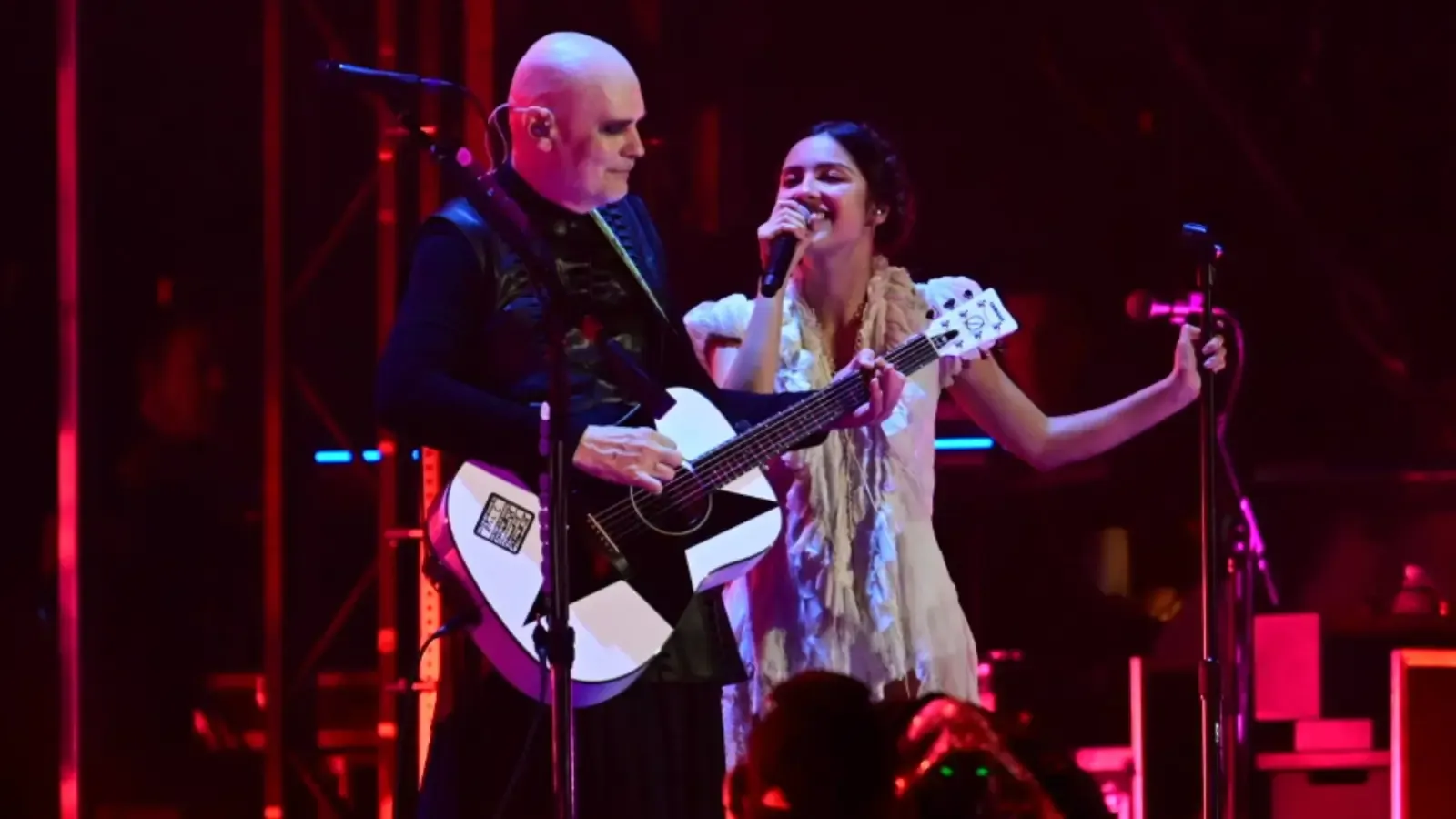
Smashing Pumpkins frontman Billy Corgan delivered “Luna” and “Thirty-Three” during Lollapalooza, with surprise guests Olivia Rodrigo and Yungblud. For decision-makers watching culture and audience attention, the move underscores how live formats can manufacture cross-generational demand fast.
Billy Corgan did not just play a Smashing Pumpkins set at Lollapalooza. He delivered “Luna” and “Thirty-Three” with surprise guests Olivia Rodrigo and Yungblud, turning a nostalgia play into a real-time, crowd-sized news event.
If you are an exec trying to understand why live music keeps winning attention even when budgets get tight, this is your data point. Surprise appearances are not random. They are engineered moments that compress time between fandom segments, create an urgent “right now” feeling, and make the show travel further than the stage. In this case, Rodrigo and Yungblud show up as guests for tracks like “Luna” and “Thirty-Three,” bridging the kind of listener overlap that is hard to get through marketing alone.
To see why this matters, zoom out to how modern live events function. Festivals like Lollapalooza are not only about the music on the bill. They are about the total media footprint, the clip potential, and the social conversation that follows. A standard set is a set. A surprise collaboration is a headline, and headlines draw new eyeballs the same day. When a legacy act like Smashing Pumpkins leans on two high-profile contemporary artists, it is effectively borrowing distribution from the pop world while giving the pop world a direct line into alt-rock credibility and shared history.
There is also a business logic behind the choice of songs. “Luna” and “Thirty-Three” are not background tracks. They are recognizable enough to act like cultural anchors, but specific enough that the guest moment feels earned rather than generic. That combination is what makes these kinds of appearances work: the legacy act is not hiding behind the celebrity guest. The guests plug into specific songs that already carry emotional weight, which is what audiences actually want when they buy tickets or tune into coverage.
From an incentive perspective, you can think of live acts, festivals, and artists as aligned for the same outcome: maximize attention without sacrificing authenticity. Rodrigo and Yungblud appearing with Smashing Pumpkins is the kind of cross-pollination that feels organic to fans because it is tied to an on-stage performance, not just an announcement. For the festival, it is a quality signal. For the artists, it is a brand moment that can translate into future ticket interest and catalog discovery. For the label and management ecosystem around these performers, it is also a reminder that audience growth is increasingly multi-channel, and live moments can outperform weeks of slow messaging.
On the second-order implications side, surprise collaborations can also impact how other artists and promoters design their own programming. If audiences respond strongly to high-profile, cross-genre intersections, booking patterns may tilt toward mixed-era lineups and guest-heavy “event sets.” That does not mean every show can replicate this exact chemistry. But it does change what audiences learn to expect. When viewers see Rodrigo and Yungblud joining Billy Corgan during key songs, the bar for “just another performance” rises.
There is also a broader cultural effect. These collaborations reinforce a narrative that genres are porous and youth culture still treats rock history as part of the present. That helps legacy acts stay relevant without turning into museum pieces. It helps newer stars connect with older audiences without forcing a full stylistic reset. In a live economy where attention can be fickle, this is a durable kind of value.
For executives and board-level decision-makers who track entertainment ROI in softer terms like engagement, brand momentum, and audience expansion, the stakes are clear: live programming that creates credible, shareable moments can extend impact beyond the performance window. Smashing Pumpkins got that by bringing Olivia Rodrigo and Yungblud into their Lollapalooza set and delivering “Luna” and “Thirty-Three” during the surprise. The strategic question for peers is not whether you can pull off an identical guest lineup. It is whether your live strategy is built to generate the kind of cross-audience spark that turns a show into an event people cannot stop talking about.
This story's Key Insights and Take-aways are locked.
Create a free account to unlock Executive Actions for one credit.
Register to UnlockAlways free for Executives Club members. Join the Club
More in Entertainment
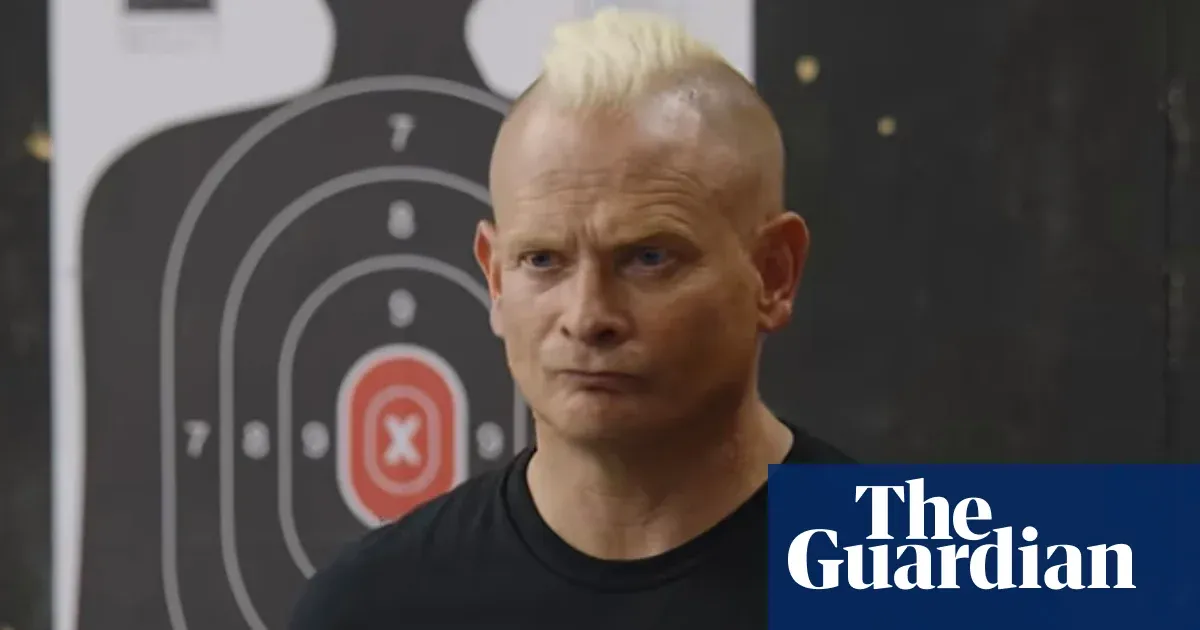
Ali G's 'stooge' says he was in on joke, outplayed Sacha Baron Cohen
A 54-year-old aspiring actor says he recognized Sacha Baron Cohen mid-shoot, kept his MAGA act up, and let the film-makers think they had fooled him.

Entertainer Russell Brand denies 7 sex charges amid accuser's 'couldn't breathe' claim
The alleged victim's account sharpens the reputational and legal stakes for Brand, his platforms, and any business tied to a public figure under criminal scrutiny.

Russell Brand's accuser 'bewildered and confused' as he denies 7 sex charges
The criminal case against the comedian is a live test of how media companies manage talent risk when serious allegations go public.