

Bithell Games announces Vampirium: 1997, a new immersive vampire sim
Tron: Catalyst and Thomas Was Alone maker Bithell reveals Vampirium: 1997, and it signals what immersive sims can become next.
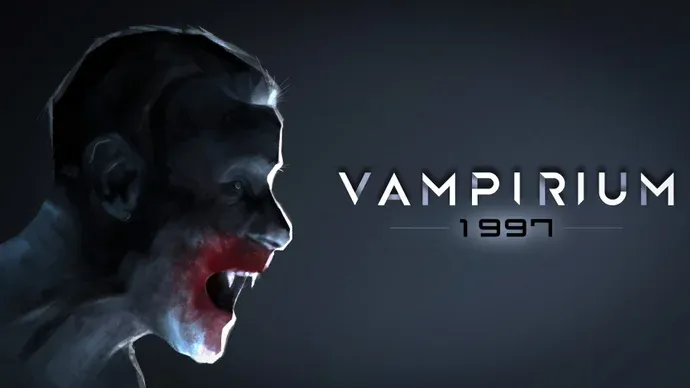
Bithell Games, known for Tron: Catalyst, John Wick Hex, and Thomas Was Alone, has announced Vampirium: 1997, a new immersive vampire sim. For decision-makers, the launch preview highlights how established teams are positioning genre work to capture both narrative and systems-minded audiences.
Bithell Games has revealed a new immersive vampire sim called Vampirium: 1997. The studio behind Tron: Catalyst, John Wick Hex, and Thomas Was Alone is using that track record to pitch something with a darker theme and, crucially, “immersive” as the headline mechanic.
If you are tracking where game design energy is going, this matters because Bithell is not a brand-new outfit gambling in a void. They already have recognizable releases across different pockets of the market, from narrative-led experiences to systems-leaning design. That background is the immediate context for Vampirium: 1997: Bithell is effectively saying, “We can keep building games that people want to sink into,” and now they want you to sink into being a vampire, specifically in Vampirium: 1997.
So what is an immersive sim, in practical terms? Even without getting lost in jargon, it generally means a game that favors player choice, simulation-like cause and effect, and tools or abilities that let you approach the same problem in multiple ways. The “immersion” part usually implies more than just atmosphere. It is about how a world reacts to how you play, not just how it looks. When a studio labels a title an immersive sim, it is often staking credibility on design depth. That is a big deal for studios, because immersive sims take longer to get right than more linear games. They also put pressure on content density, balancing, and the underlying game feel.
Vampirium: 1997 also lands at an interesting moment in the games business. The industry has been steadily expanding what players expect from single-player experiences: not just story, but systems that create replay value. At the same time, “genre branding” has become a competitive tool. Teams that can reliably deliver the kind of game their audience wants gain leverage with platform visibility, community mindshare, and investor confidence. Bithell is leaning into a recognizable studio identity, even as the subject matter shifts. Their prior work includes Tron: Catalyst and John Wick Hex, and then Thomas Was Alone, which is a strong signal that the studio can handle a range of tone and player motivations.
From a boardroom or capital perspective, the announcement is less about the vampire theme and more about portfolio logic. A new immersive sim is a bet that the studio can attract the same sort of audience that chases depth and experimentation, while also broadening interest through a compelling concept. Vampire games have a long cultural tail, and attaching “1997” to the title gives a time period angle that can influence art direction, world references, and the vibe of the player fantasy. That kind of specificity is often how studios differentiate from the baseline “vampire, but” category.
There is also a second-order implication for other teams watching this space. Immersive sims live or die by reputation. The audience remembers design promise. If a studio says “immersive,” players will test whether the world, mechanics, and player options genuinely connect. For publishers and investors evaluating similar projects, the key question becomes: can the team sustain that ambition without ballooning production risk. Announcements are cheap; credibility is not. Bithells previous catalog names establish that they have shipped games in multiple styles, which can reduce uncertainty when mapping their delivery capability for a design-heavy project.
Regulatory background does not usually sit at the center of immersive sim announcements, but there is still a governance angle worth keeping in mind. Vampire and horror-adjacent themes are typically managed through age ratings and content descriptors rather than something like economic regulation. The strategic point for decision-makers is that design choices influence rating outcomes and market access. Systems that include combat, blood, or psychologically intense content can affect how broadly the game can be sold across regions. Even if the source announcement does not mention rating details, the fact that Vampirium: 1997 positions itself as an immersive vampire sim means content decisions will matter early, not late.
In the end, the story is simple and still consequential: Bithell Games is stepping into another immersive-style pitch, with Vampirium: 1997 as the flagship concept. For founders building in the “choice and systems” space, for operators planning roadmaps, and for investors scanning studios for repeatable design execution, the announcement is a reminder that genre identity is becoming a strategic asset. Vampires are the skin. Immersive simulation is the engine. The market will judge whether Bithell can make that engine feel as real as the world around it, and the decision-makers watching today should treat that credibility as the real stake.
This story's Key Insights and Take-aways are locked.
Create a free account to unlock Executive Actions for one credit.
Register to UnlockAlways free for Executives Club members. Join the Club
More in Entertainment

Budjerah’s debut album Gentleman lands July 24 after nearly five-year delay
The Australian triple-threat’s 11-track Warner Music Australia release is packed with big-name collaborators, plus a grown-up backstory.

Elliot Page says he was ‘terrified’ taking Sinon in Nolan's Odyssey, yet it worked
His nerves were about moral weight, not logistics, as Nolan staged an Odyssey across six countries.

Sanctuary: Shattered Sun blends Mass Effect combat with Total War strategy in a free playable demo
A free demo just dropped for Sanctuary: Shattered Sun, a Mass Effect and Total War spiritual successor. Here is what to expect and why it matters.