
Black Flag Resynced targets 60 FPS on PS5, with PS5 Pro getting extra polish
Ubisoft’s pirate remake sets performance targets across PS5 and PS5 Pro, aiming for 60 FPS “across the board.”
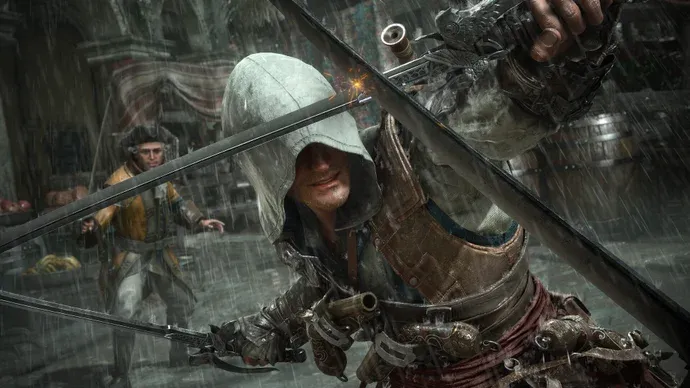
Assassin's Creed Black Flag Resynced is nearly here, with Eurogamer reporting newly shared PS5 performance targets and features. The update matters because it signals how Ubisoft is prioritizing smooth frame rates and higher-end console support for a high-competition 2026 window.
Assassin's Creed Black Flag Resynced is almost here, and the most important detail for PS5 owners is the performance target: Eurogamer reports it aims for 60 FPS across the board, with the PS5 Pro getting extra love. In a market where “runs great” often means different things to different players, the explicit 60 FPS goal is a clear promise, and the mention of Pro-specific enhancements suggests Ubisoft is planning for multiple tiers of console capability rather than treating Pro like an afterthought.
Eurogamer also frames the release timing: the game has a summer release date, and that timing may feel odd compared with other recent entries in the series, but the justification is that the back half of 2026 is abnormally busy. That context matters because it explains why Ubisoft would choose early July rather than stacking another title into an already crowded seasonal crunch. If you are an exec overseeing publishing calendars, that is the subtext: launch windows are no longer just about sales, they are about share of mind and share of player time, and late-2026 is already saturated in the series and beyond.
So why does “60 FPS across the board” carry real business weight? Frame rate has become one of the most visible quality signals in modern console gaming. Even when visual fidelity improves, a stable, high frame rate is often what players notice first, especially in action-heavy gameplay. That makes performance targets more than a technical footnote. They become part of the product story, part of the expectations contract, and part of the risk management plan for launch and post-launch sentiment. When a publisher commits to a specific feel, it narrows the gap between what marketing promises and what players experience.
The Pro angle is also telling. The PS5 Pro getting extra love, as Eurogamer puts it, points to a common industry pattern: higher-end SKUs can justify targeted optimizations that raise the perceived ceiling of the platform. That can help a publisher capture additional value from the enthusiast segment that upgrades consoles early or expects improvements to be tangible. It is not just about chasing better benchmarks. It is about ensuring that Pro owners do not feel like they are paying more for the same experience.
There is another layer here, and it is not only about Ubisoft. Eurogamer’s note that a “short wait” precedes release suggests that the project is late-stage enough for performance planning to be meaningful and communicable. In practice, this is when internal teams have to stop debating feasibility and start locking decisions: what targets are achievable across base PS5 hardware, what changes are necessary to support Pro enhancements, and how to keep the overall player experience consistent. When a publisher releases performance targets like this, it also reduces uncertainty for partners and storefronts that rely on preview-ready specs and for community channels that translate technical goals into consumer expectations.
Timing matters again because of the series-level calendar pressure Eurogamer highlights. The latter part of 2026 being “abnormally busy” creates a strategic reason to go earlier in the year, especially when you know competitors and platform events can dominate attention later. For decision-makers, early July can be a way to secure a cleaner runway. It is also a way to avoid the “everything launches at once” problem, where even strong games can struggle to stay top-of-feed while the market is distracted.
And there is a cultural fit being spelled out too, even if Eurogamer frames it casually: “a pirate game is a perfect fit for early July.” That may sound like lifestyle fluff, but it is actually a merchandising logic. Seasonal alignment influences how easily people remember your game when they are deciding what to play. That matters when release calendars are crowded and marketing budgets cannot endlessly fight for attention.
For peers across publishing, the second-order implication is that performance promises and release timing are becoming inseparable. A 60 FPS target across PS5 is a quality signal that can help a title punch through noise, while Pro-specific enhancements can broaden the audience and reduce dissatisfaction among higher-end buyers. Put together with an early summer launch designed to dodge a crowded late-2026 schedule, the strategy reads like a deliberate attempt to protect launch momentum, manage expectation risk, and keep the product positioned clearly when the market is busiest.
This story's Key Insights and Take-aways are locked.
Create a free account to unlock Executive Actions for one credit.
Register to UnlockAlways free for Executives Club members. Join the Club
More in Entertainment

Extraction 3 starts filming on Netflix, with Chris Hemsworth and Idris Elba returning
The hit action franchise is back in production, turning Netflix’s blockbuster sequel plans into a live, measurable pipeline.
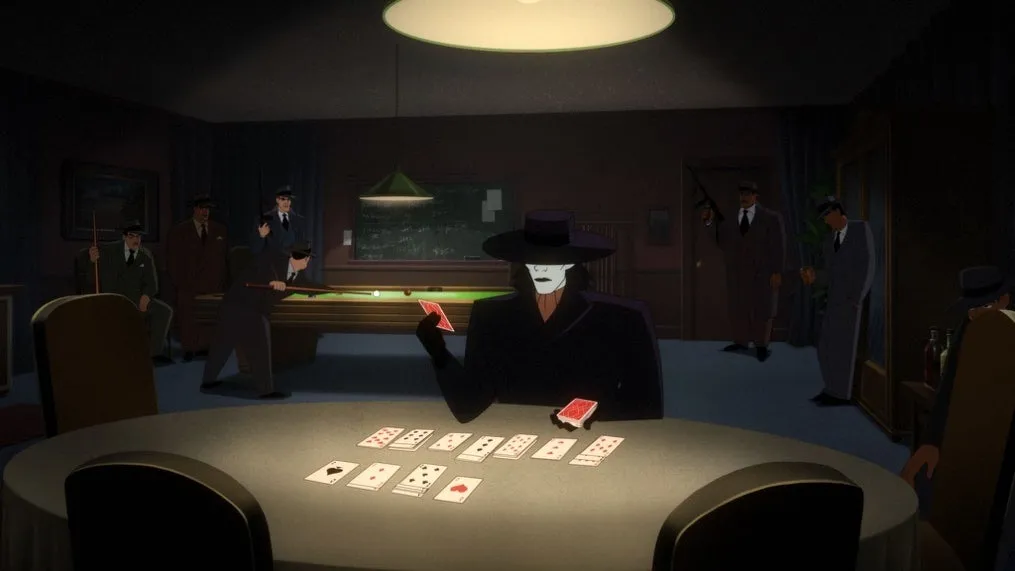
Matthew Needham voices The Joker in Batman: Caped Crusader Season 2
Prime Video confirms the casting from Comic-Con, with Season 2 launching July 31 alongside the new game.

Amazon’s Batman game launches July 31 with Prime, using phones as controllers
Batman: Caped Crusader - Chronicles drops alongside Season 2, and Prime members get it at no extra cost.