

Blizzard adds Discord guild chat to WoW patch 12.1, ending ping-based group hunting
Patch 12.1: Curse of Ula'tek brings cross-platform guild chat so messages appear in both WoW and Discord.
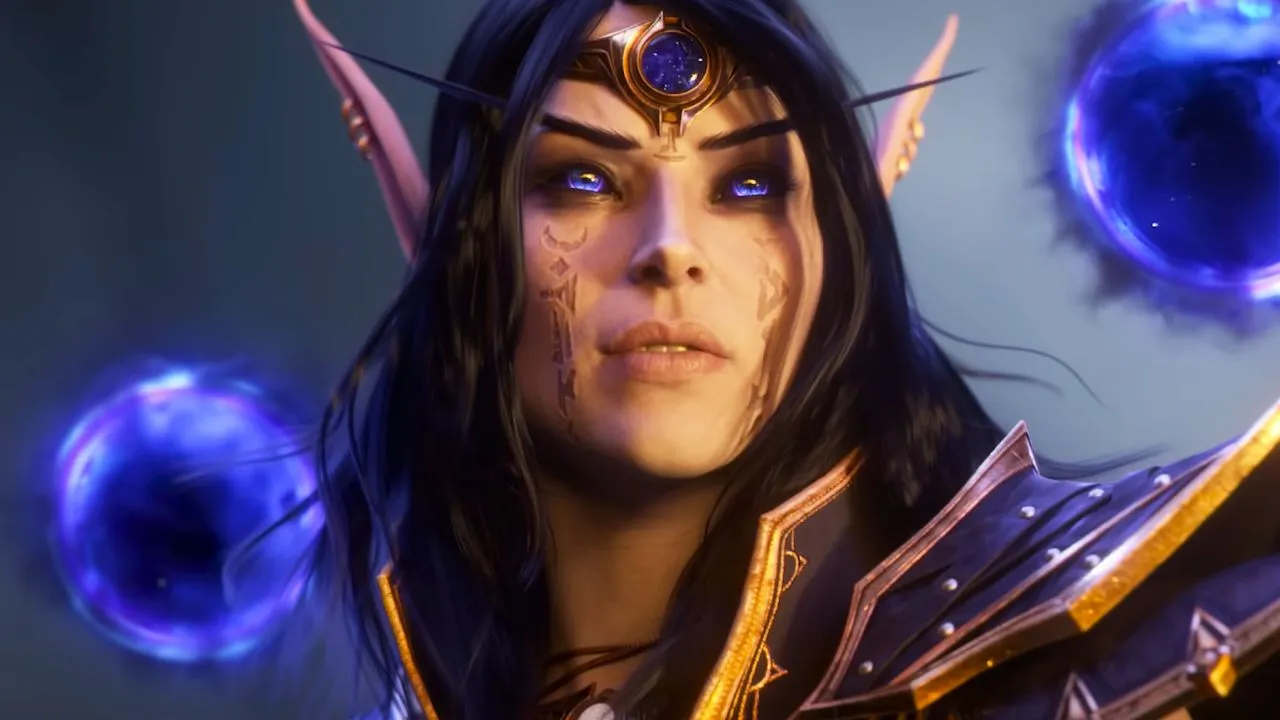
Blizzard announced patch 12.1, Curse of Ula'tek, will add cross-platform chat between Discord and World of Warcraft guild chat. For decision-makers and operators watching multiplayer coordination, it signals an easy path to reduce fragmentation without Blizzard rebuilding an in-game messaging system.
World of Warcraft guilds are about to lose the most annoying part of raid logistics: the need to hunt down guildmates just to get a group together. In the next update, Blizzard is integrating Discord chat directly into WoW guild chat, with messages showing up both in the MMO and on Discord.
Blizzard says patch 12.1, Curse of Ula'tek, will bring cross-platform chat between Discord and WoW guild chat. You will be able to run it as a combined all-in-one chat or keep messages separated into individual channels, depending on how your guild wants to manage communication. The requirement is straightforward: link your Battle.net and Discord account, then have a guild leader or officer adjust how they want the chats to work. Once that is set, players can see people chatting from Discord inside WoW, with a logo next to messages.
Why this matters is not just convenience, it is coordination. WoW's in-game chat is not designed for the kind of high-volume, multi-time-zone back-and-forth that happens when a guild has hundreds of players. Without an easy way to scroll through an archive of messages across multiple days, guilds end up relying on pings, status checks, and ad-hoc follow-ups. That works when your group is small and everyone is online in the same window. It falls apart when your guild includes players spread across time zones, and when you are trying to recruit the right people for raids or Mythic+ runs.
Discord, on the other hand, is built around persistence and discoverability. The source is explicit about the mechanics Blizzard is adopting: messages will appear in the MMO and in Discord. That means you do not have to leave WoW to keep up with the conversation. For anyone used to juggling a game client and a separate chat app, the transition is basically a workflow swap rather than a reinvention. Even the example from the original reporting points to the practical reality: with two monitors, switching is already easy, but for solo monitor and laptop players, not having to stop doing dailies just to check whether enough people are online is the real relief.
Zoom out for a second and you can see the incentive story. Building and maintaining an in-game guild chat system that performs well at scale is expensive in engineering time and product focus. It is also a never-ending battle against UX gaps, moderation complexity, and the reality that players often already communicate elsewhere. So Blizzard choosing Discord here is an acknowledgment of where player behavior already lives. It is effectively outsourcing the “always on” social layer, while keeping the gameplay layer inside WoW. That hybrid approach is likely to appeal to guild leaders and officers, because they can steer how the communication is organized. They still have control over how the chats work, just not the need to rebuild everything.
This is also the kind of move that can ripple beyond MMOs. The reporting suggests that Discord chat could show up in more games as a replacement for developers having to build a guild or clan chat system from scratch. The logic is easy to understand from a product operator point of view: if one integration can solve the problem across multiple communities, it reduces both ongoing costs and user friction. And it is not confined to hardcore guild structures. The source specifically calls out multiplayer games like Arc Raiders or Overwatch as potential beneficiaries, since those communities also need tools for coordinating players, squads, and group activities.
But there is a regulatory and risk dimension sitting behind the rollout. The source notes that this may become moot when Discord rolls out its “extremely unpopular global age verification,” supposedly happening sometime before the end of the year. If that process goes poorly, the concern is not that Discord chat integration will break technically overnight, but that WoW players might be pushed back toward juggling chat apps to determine whether enough people are online to run content like Mythic+ dungeons. In other words, the success of an integration does not only depend on features. It also depends on whether the underlying identity and compliance workflow remains smooth for everyday users.
Second-order effects for executives and boards in gaming, platforms, and multiplayer services are pretty clear: Blizzard is optimizing for retention by removing a friction point in group formation. If players can coordinate without bouncing between apps, they spend more time in the game and less time in the “waiting to get a group” tax. For similar product teams, the question becomes whether the path forward is to keep investing in bespoke in-game social tooling, or to integrate with established comms ecosystems in a way that preserves governance for community leaders.
Patch 12.1, Curse of Ula'tek is the immediate headline, but the strategic stake is broader. As multiplayer communities scale, coordination is the hidden bottleneck that can make even a great game feel like work. Blizzard's move shows what happens when a platform chooses convenience and adoption over rebuilding. And if Discord's age verification rollout creates friction, this story becomes a reminder that compliance changes can indirectly reshape gameplay behavior, even when the integration itself is already done.
This story's Key Insights and Take-aways are locked.
Create a free account to unlock Executive Actions for one credit.
Register to UnlockAlways free for Executives Club members. Join the Club
More in Entertainment
Starfleet Academy names newcomer Ruaridh Aldington a Season 2 series regular
At San Diego Comic-Con's Star Trek 60th anniversary panel, Aldington joins as Keats, a high-stakes mystery for the cadets.
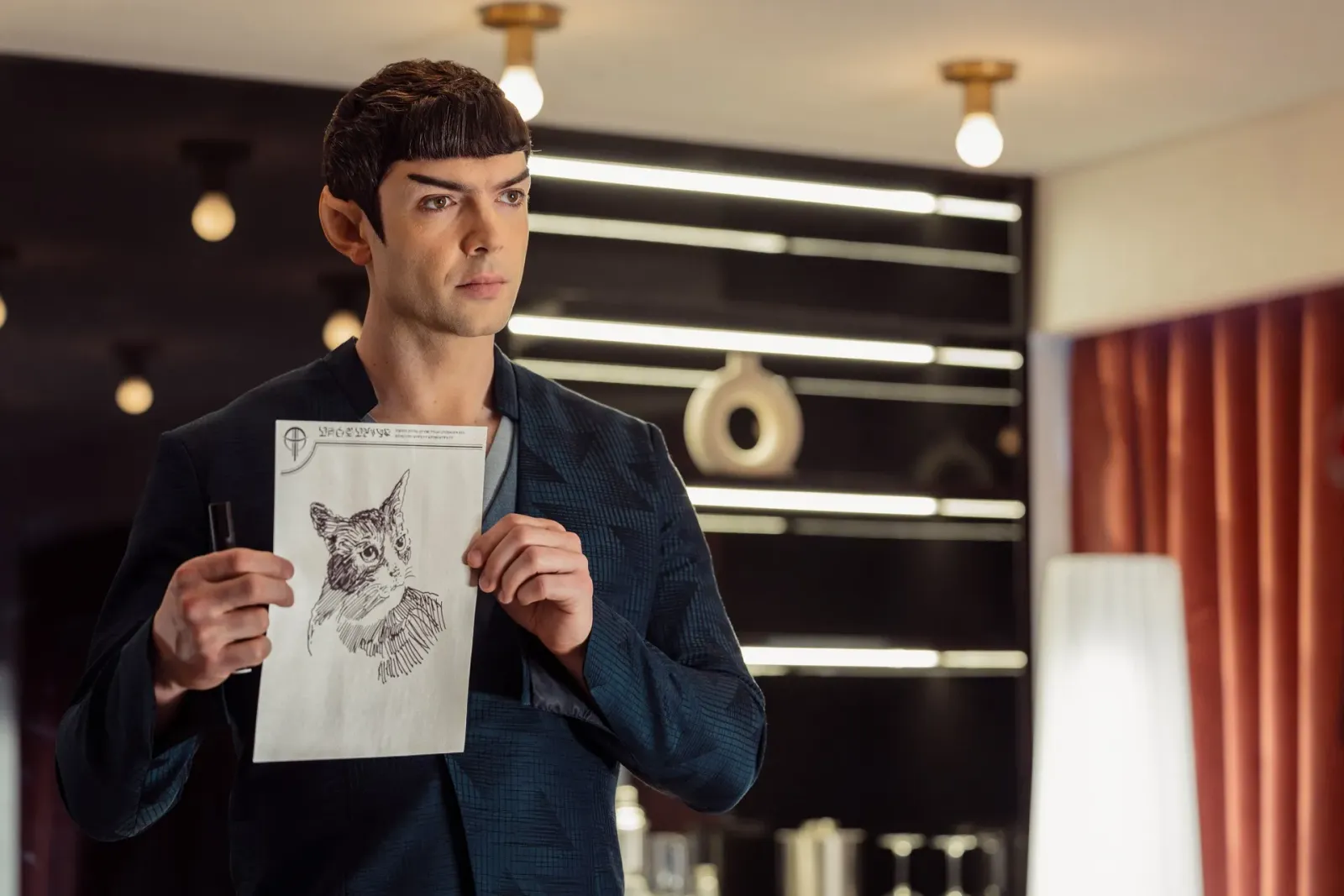
Akiva Goldsman drops Strange New Worlds Season 4 timing: weekly until Sept. 24
Star Trek’s co-showrunner uses Comic-Con to lock in the release calendar for Paramount+ Season 4.
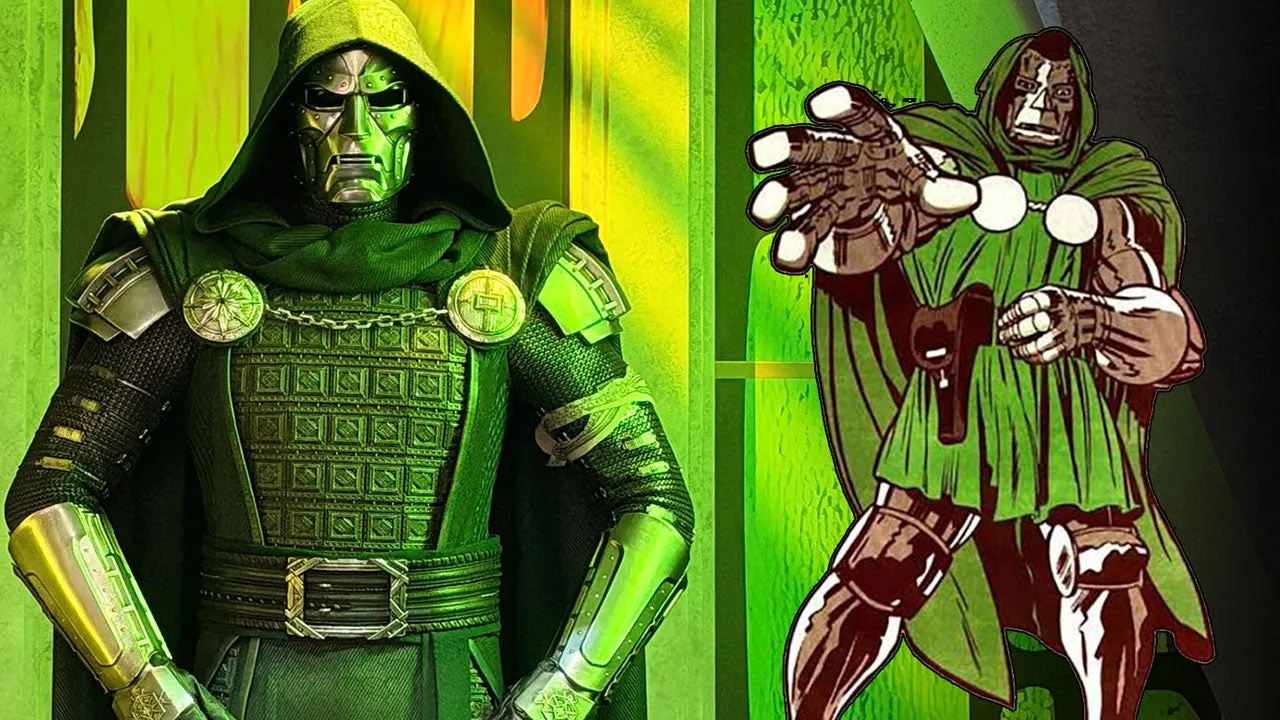
Marvel’s Avengers: Doomsday Doom armor stays faithful to comics, but adds samurai-style upgrades
A fresh look at Robert Downey Jr. as Victor von Doom at Comic-Con shows what Marvel kept, changed, and why it matters.