

Bloober Team drops a Star Trek horror game next year, turning sci-fi into a hostile world
The Silent Hill 2 remake studio is shifting from psychological dread to a licensed Star Trek universe.
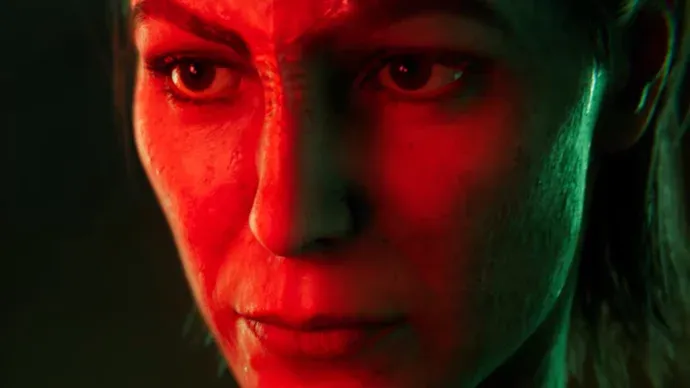
Bloober Team, known for Observer and the 2024 Silent Hill 2 remake, has unveiled a Star Trek game slated for next year. For decision-makers, this is a licensing and genre risk play that signals how mid-size studios are funding new IP by leaning on major franchises.
Bloober Team just added Star Trek to its horror menu, and it is doing it with a straight face. The studio behind Observer and the 2024 Silent Hill 2 remake announced a new Star Trek game coming next year. It is not just a new setting, either. According to Eurogamer's report, the project leans into sci-fi horror, placing players on a mysterious, hostile world.
That headline detail matters because Bloober is coming off a high-visibility horror release in 2024, and now it is immediately doubling down on the same psychological dread DNA, but swapped into a globally recognized franchise. When a studio makes that kind of pivot quickly, boards and investors should read it as a signal about where the studio thinks audience demand is going: not toward “safer” genres, but toward horror experiences that can be marketed with a big brand logo attached.
Let’s talk incentives for a second, because this is where these announcements usually reveal the business logic. Licensing major properties like Star Trek can reduce certain kinds of market uncertainty, but it introduces others. Major franchises come with built-in audience awareness. They can also come with stricter expectations around tone, canon, and presentation, which means the development team must balance creative horror instincts against the identity of the universe they are borrowing. In practice, that can change what “risk” means. Instead of risking whether players will care, the studio risks whether the execution will satisfy both horror fans and franchise fans.
Genre is only part of the story. Eurogamer frames the new game as “more sci-fi horror,” and that phrase is a clue about production direction. Sci-fi horror often has a built-in spectacle engine. Even if the gameplay stays grounded, the setting tends to deliver tension through technology, environments, and alien or unknown systems. That usually means art direction and world-building become central to the experience. For executives evaluating a studio’s pipeline, that is important because world-building is expensive, and it is also easy to misalign with audience expectations. Horror worlds live or die by atmosphere.
From a portfolio standpoint, Bloober’s track record is built on horror-first projects, and Silent Hill 2 was a notable touchstone for the studio’s reputation, with Eurogamer calling it “sublime.” That word choice is not a business metric, but it hints at how the market perceives the studio's ability to deliver on mood. Now Bloober is extending that credibility into a setting where sci-fi machinery and Star Trek familiarity could either amplify dread or dilute it. The decision to go next year suggests the studio is confident it can ship without losing the horror identity that got attention in the first place.
Now zoom out to what this means for peers and stakeholders in the broader games ecosystem. Summer Game Fest is a visibility machine, and announcements there are rarely casual. A mid-size studio launching a licensed, cross-genre horror title is implicitly telling partners and competitors that it believes it can command attention in a crowded release calendar. It also suggests a strategic approach to growth: rather than banking entirely on original IP to scale, the studio is leaning on external universes that already have cultural gravity.
There is also a governance angle that executives should keep in mind: when a company repeatedly commits to horror, it has to manage stakeholder confidence around execution risk. Horror is not a “content treadmill” genre where every release is identical. Small changes in pacing, combat feel, or environmental storytelling can materially change player reception. Licensing can amplify that effect. A Star Trek game is a promise to fans that goes beyond “it’s scary.” It has to feel like Star Trek in a way that does not break the franchise’s expectations.
Finally, for decision-makers at other studios, publishers, and investors, the second-order takeaway is straightforward. Bloober Team is betting that sci-fi horror and franchise recognition can coexist in a product that still delivers dread. If it works, this model becomes a playbook: use a known universe to buy marketing surface area, while using genre expertise to earn player trust. If it misses, the consequences are similarly clear: the studio may have traded one kind of uncertainty for another. Either way, the next-year reveal will be a real test of whether Bloober can turn “mysterious, hostile world” into something fans want to revisit, not just something that gets attention for the novelty of the crossover.
This story's Key Insights and Take-aways are locked.
Create a free account to unlock Executive Actions for one credit.
Register to UnlockAlways free for Executives Club members. Join the Club
More in Entertainment

Christopher Nolan’s “The Odyssey” posts his biggest Tuesday haul, surpassing “The Dark Knight’s” record
The film’s Tuesday breakout reframes Nolan’s box-office ceiling and forces competitors to rethink timing, budgets, and release strategy.

Kacey Musgraves cancels Aug. 20, 29, Sept. 2 Middle of Nowhere shows
Ticketmaster emails are telling fans refunds are coming, while the tour still starts Aug. 21 in Chicago.

Billie Joe Armstrong launches Epiphone Les Paul Junior and Marshall 1959BJA signature gear
Two limited releases turn decades of Green Day’s tone into branded hardware, including Marshall’s first artist amp in 14 years.