

Bob Dylan moves from a rotating guitarist bench to lone Joel Paterson
After Julian Lage and Bob Britt departures, Dylan’s tour lands Joel Paterson as the lone guitarist.
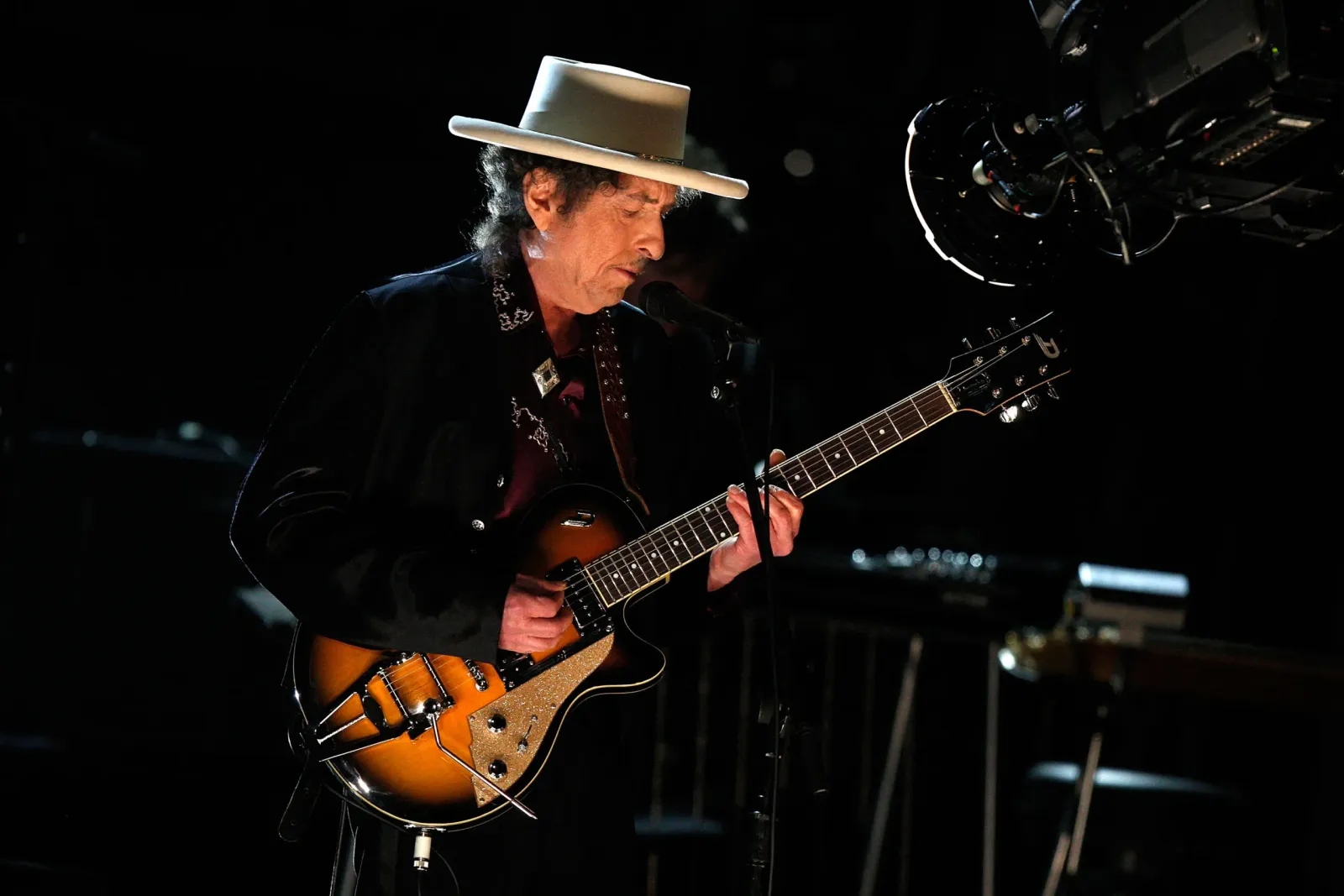
Bob Dylan has enlisted Joel Paterson as his lone guitarist after a month of rotating guitarists on tour. The shift matters because lineup stability is the hidden operating risk behind live performance execution.
Bob Dylan’s band just went from “rotating guitarist roster” to “lone guitarist reality,” and the name now on the marquee is Joel Paterson. According to Stereogum, Dylan is set to have Paterson as his only guitarist for his tour after a month of unexpected changes.
The quick timeline is the tell. On June 17, jazz virtuoso Julian Lage replaced Doug Lancio, who had been in Dylan’s band since replacing Charlie Sexton in 2021. Then, on June 27, Bob Britt, a guitarist with Dylan since 2019, quit in a post on Facebook described by Stereogum as a “Sayonara Bobby” goodbye. Now, with those shakeups behind him, Dylan is bringing in Paterson to anchor the role.
If you’re an operator, investor, or anyone who thinks live performance is mostly “art and vibes,” this is your reminder that touring is systems engineering with stage lights. Every time a guitarist changes, you are not just swapping a person. You are reshaping rehearsals, tightening communication, aligning on setlists, and making sure the musical “handoff” moments work in real time night after night. Even if the core songs are fixed, the band still has to execute the same transitions, dynamics, and textures with a new human in the middle.
There’s also a second layer here: Dylan’s guitarist bench has been showing real volatility. Stereogum frames the past month as an “unexpected rotating roster,” and that description matters because it suggests the changes were not a slow, pre-planned cadence. June 17 brings Lage in for Lancio. June 27 brings Britt out. And then the tour apparently pivots to a single, named guitarist, Paterson. That kind of churn forces teams to compress the adjustment period. For anyone managing a production, the schedule becomes a constraint you cannot negotiate with.
This is the part executives tend to underestimate: the “lone guitarist” decision can reduce one category of risk while increasing another. On one hand, having one guitarist simplifies coordination, reduces variance in rehearsal time allocation, and can streamline musical leadership on stage. On the other hand, it concentrates responsibility. If one person is holding down the entire guitar lane, the performance quality now depends heavily on that person’s readiness, familiarity with Dylan’s live approach, and ability to lock into the rest of the band quickly.
Zoom out and you also see why these updates matter beyond the fanbase. The music world is full of talented session players, but touring bands are built on trust, timing, and repeatability. The reason a rotating roster becomes news is because it signals operational friction. Even when a change is amicable or artist-driven, a band is still a production system with deadlines. That system has to keep moving even when roles shuffle.
And while this story is not about regulation, regulatory thinking still has a useful parallel. In regulated industries, changes in key personnel can trigger governance concerns around process continuity, documentation, and accountability. Live music is not regulated the same way, but the executive logic is similar: when you replace key operators quickly, you need fast alignment and clear ownership of the critical path. In Dylan’s case, Stereogum is telling you that the critical path now runs through Joel Paterson as the sole guitarist.
So what’s the strategic stake for people in leadership roles watching from the outside? Lineup stability is the invisible KPI. If your org runs on showtime execution, your “product” is the live experience, and your supply chain is human talent availability. Dylan’s recent shakeups with Doug Lancio, Julian Lage, Bob Britt, and now Joel Paterson are a reminder that execution risk is real, even when the headline story is just a name change. The story ends with Paterson as the lone guitarist, but the bigger takeaway is about resilience: how quickly a team can reconfigure, rehearse, and deliver without missing the beat.
This story's Key Insights and Take-aways are locked.
Create a free account to unlock Executive Actions for one credit.
Register to UnlockAlways free for Executives Club members. Join the Club
More in Entertainment

Extraction 3 starts filming on Netflix, with Chris Hemsworth and Idris Elba returning
The hit action franchise is back in production, turning Netflix’s blockbuster sequel plans into a live, measurable pipeline.
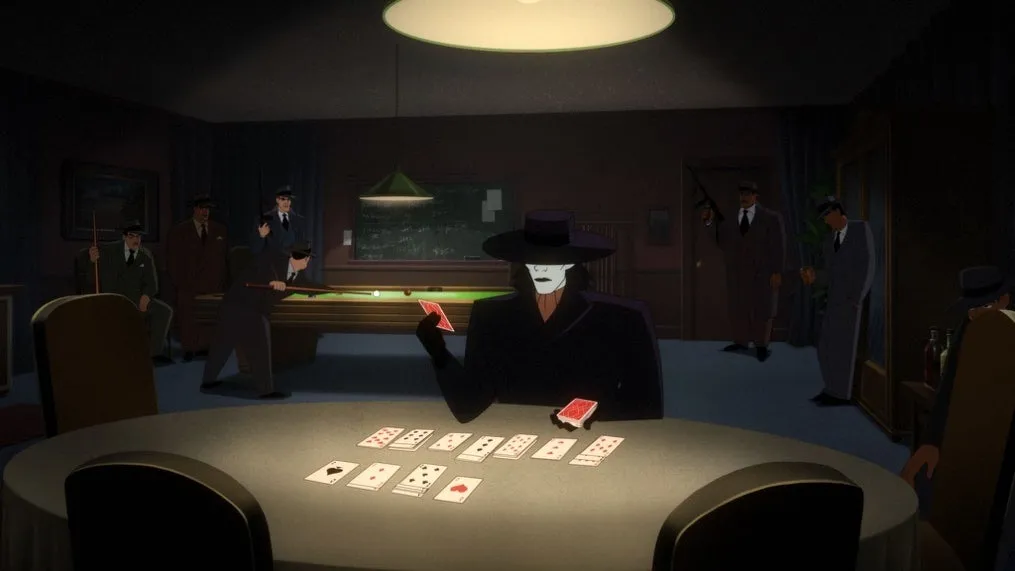
Matthew Needham voices The Joker in Batman: Caped Crusader Season 2
Prime Video confirms the casting from Comic-Con, with Season 2 launching July 31 alongside the new game.
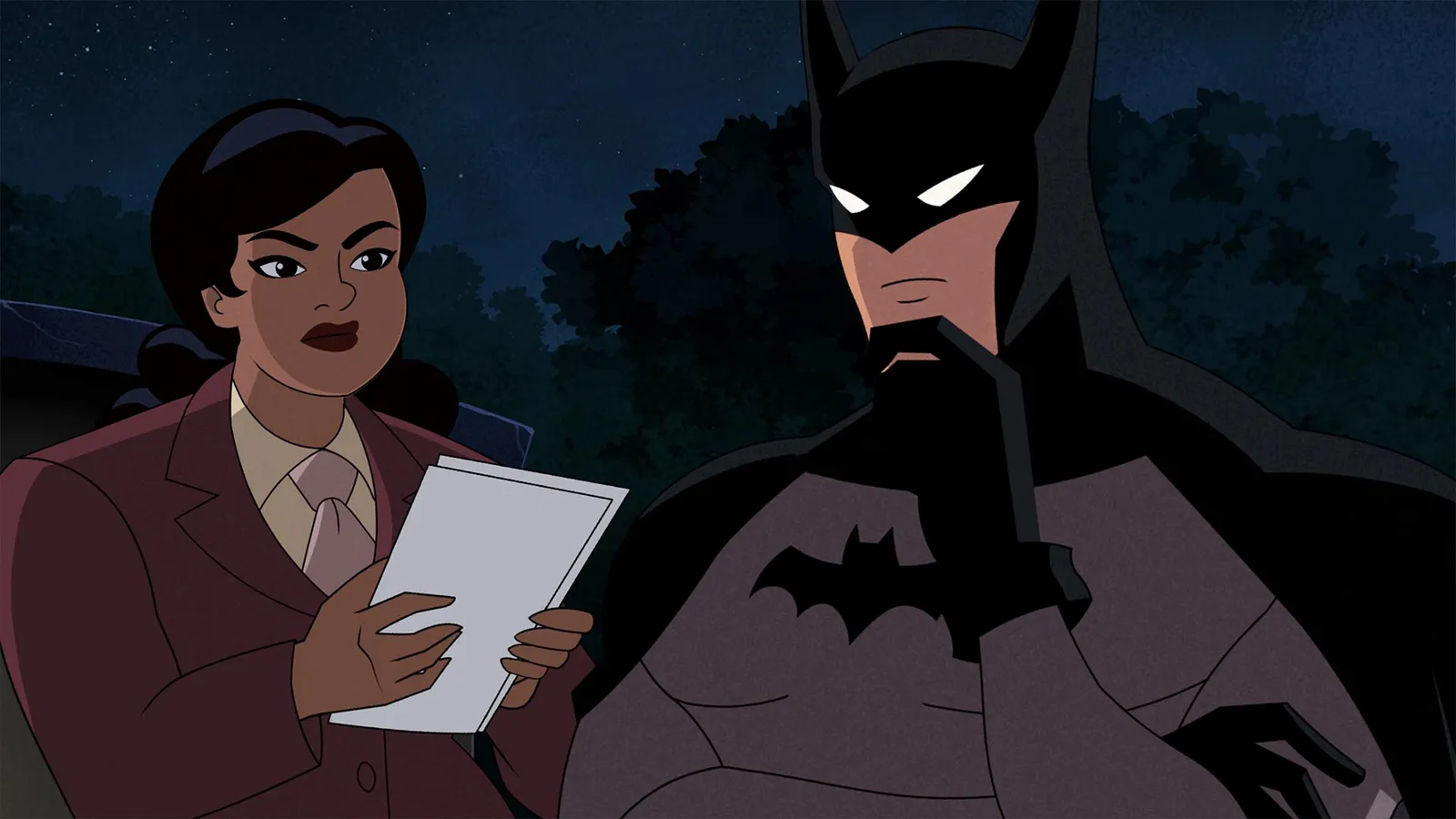
Amazon’s Batman game launches July 31 with Prime, using phones as controllers
Batman: Caped Crusader - Chronicles drops alongside Season 2, and Prime members get it at no extra cost.