

Bob Harris steps down from BBC Radio 2 after 56 years
After nearly 56 years on air, Harris is leaving Radio 2 because of ill health, and BBC peers now face a reminder: legacy talent can outlast any schedule, but not always health.
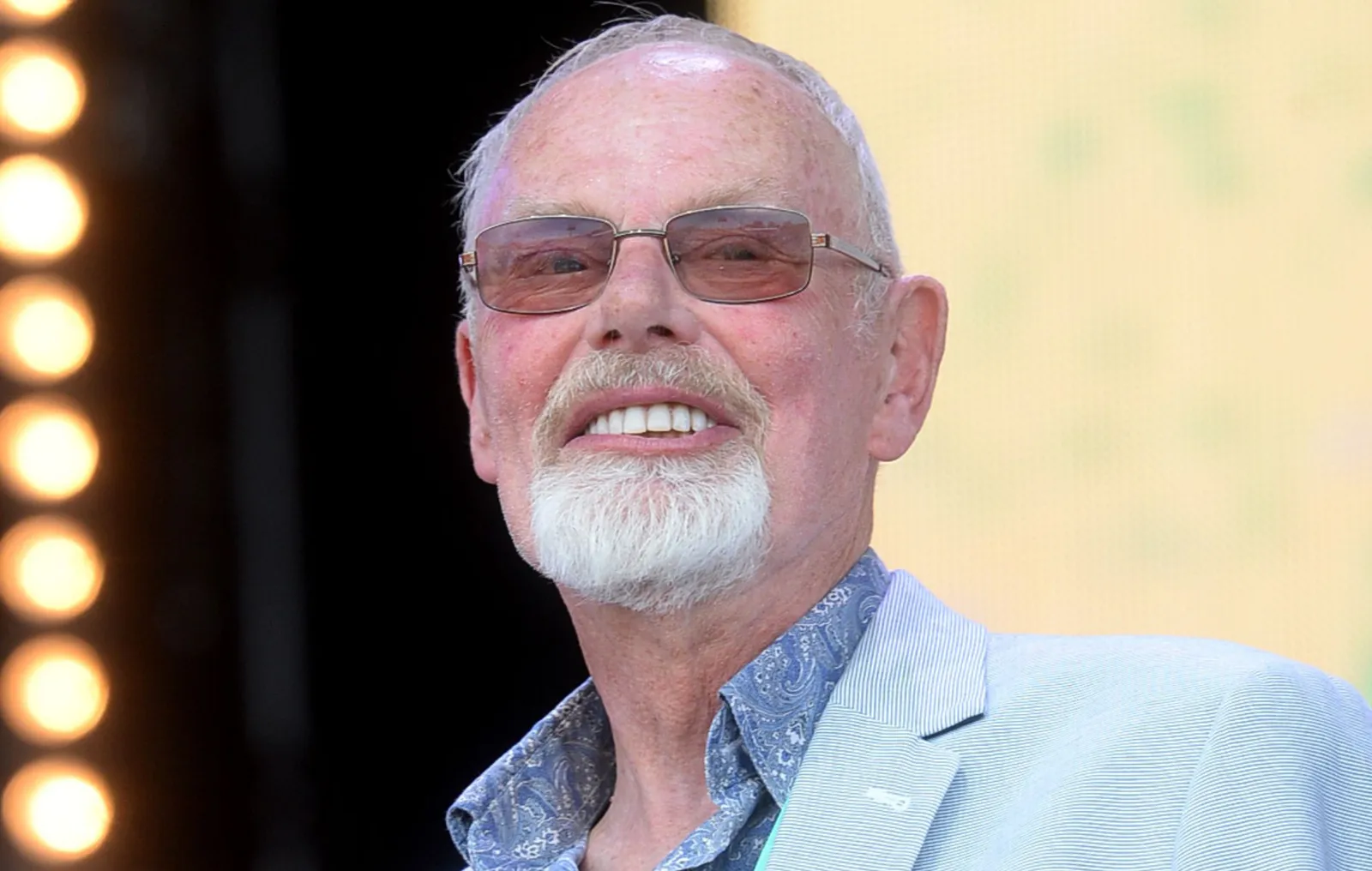
Legendary broadcaster Bob Harris is stepping down from BBC Radio 2 after more than five decades because of ill health, leaving both Radio 2 Country and Sounds of the 70s. For media leaders, the move is a blunt reminder that even iconic brands depend on irreplaceable voices, and succession planning matters before a health issue forces the hand.
Bob Harris is stepping away from BBC Radio 2 after almost 56 years in broadcasting, and he says the reason is ill health. The longtime presenter called it “one of the hardest decisions of my life,” and confirmed he is leaving both of his current BBC Radio 2 shows: Radio 2 Country, which airs Thursdays from 9-10pm, and Sounds of the 70s, which airs Sundays from 3-5pm. For a station built on familiarity, that is not a small programming change. It is the end of a run that stretched across generations of listeners, formats, and music-industry eras.
That matters because Harris was not just a host filling a slot. In his own words, he spent 30 years as part of BBC Radio 2, which he described as the “Champions League”, and called the station a “world-class radio station”. He said he had been fortunate to spend his entire working life doing something he loved, and that he was grateful for the freedom he was given to build his programmes in his own way. Those are the kinds of lines that tell you why a broadcaster becomes durable: not just because of talent, but because the institution lets a voice become a format, and a format become habit. When that voice exits, the replacement is never just a new presenter. It is a test of whether the audience returns for the show, the genre, or the person.
Harris made that bond with listeners the center of his farewell. He said BBC Radio had allowed him to play “such a massive part in propelling Country to become the fastest growing music genre in the UK, and presenting Sounds of the 70s on Sunday afternoons”. He also told fans, “I have put everything I have into every show I’ve ever done, and it’s all been because of you.” That line does a lot of work. It explains why the departure lands with more force than a standard schedule shake-up. Harris built a career around trust, taste, and consistency, which is exactly why his exit feels personal to the audience that has followed him for years. He added, “Your love and loyalty mean more to me than words can ever say. I am so sorry that my health issues are forcing me to step down, but I realise that I must concentrate on getting myself well again.”
The broader context is that Harris helped shape the modern mainstream for country music in the UK long before it was obviously mainstream. The source says he became widely recognised for his passion for country, folk, Americana and singer-songwriters, and that he helped raise the popularity of country music in the UK. He also became known for his deep musical knowledge and commitment to championing new artists. That combination matters in media because tastemakers are not interchangeable with algorithms. A station can program genre blocks, but it is usually the human host who creates the emotional bridge between legacy songs and new acts. Harris spent years doing that bridge work, on radio and television, including on Old Grey Whistle Test during the 1970s, where he became a celebrated figure in music broadcasting.
His departure is also a clean example of succession being easier said than done. Harris presented his last episode of Sounds of the 70s on March 8 and his last Radio 2 Country Show on April 2. Shaun Keaveny will officially take over Sounds of the 70s each Sunday from 3-5pm, and he will also host the Radio 2 Rock Show on Fridays from 11pm to midnight. Keaveny’s comments show how stations try to manage continuity without pretending the old era never existed. He said, “As long as I can remember, I’ve loved the music of the 70s.” He called it “the thrill of my life” to meet Harris, described him as “the man who has done more to maintain the spirit of Rock, Roll and Radio than almost anyone,” and said it was “not just an honour but a mission” to continue Harris’s work. He even added, “Somewhere, every week, some kid hears ‘Won’t Get Fooled Again’ for the first time! You did that for me Bob, and millions like me. We’d like to say Thank You For the Music, you’ll always be our Rock n Roll Doctor.”
For executives, programmers, and creators, the takeaway is straightforward. Legacy talent can be a growth engine, a brand pillar, and a culture-shaper all at once, but that only works while the person behind it is healthy enough to keep going. Harris’s story shows the upside of giving talent room to build something distinctive, and the risk of waiting until a departure is forced by illness rather than planned on business terms. It also shows why audience trust is such a fragile asset. When a presenter has spent decades earning it, the handoff needs to respect what was built, not just what goes on the clock next. BBC Radio 2 now has to prove that the audience loyalty Harris described can transfer, at least in part, to the next voice. That is the real business problem hidden inside a very human farewell.
This story's Key Insights and Take-aways are locked.
Create a free account to unlock Executive Actions for one credit.
Register to UnlockAlways free for Executives Club members. Join the Club
More in Entertainment

Christopher Nolan’s “The Odyssey” posts his biggest Tuesday haul, surpassing “The Dark Knight’s” record
The film’s Tuesday breakout reframes Nolan’s box-office ceiling and forces competitors to rethink timing, budgets, and release strategy.

Kacey Musgraves cancels Aug. 20, 29, Sept. 2 Middle of Nowhere shows
Ticketmaster emails are telling fans refunds are coming, while the tour still starts Aug. 21 in Chicago.

Billie Joe Armstrong launches Epiphone Les Paul Junior and Marshall 1959BJA signature gear
Two limited releases turn decades of Green Day’s tone into branded hardware, including Marshall’s first artist amp in 14 years.