

Bob Odenkirk resurrects Saul Goodman to tout rights for America’s 250th birthday
A new Saul4Democracy video puts the constitutional “rights” pitch back in a familiar suit, approved by Mike Ehrmantraut.

Bob Odenkirk revived his Breaking Bad and Better Call Saul character Saul Goodman in a short “Saul4Democracy” video tied to the United States’ upcoming 250th anniversary celebrations. The video directly reminds viewers of their rights, which Better Call Saul co-creator Peter Gould confirmed as legitimate.
Bob Odenkirk is stepping back into Saul Goodman’s loud suit for America’s 250th birthday. In a new short video released in conjunction with the country’s upcoming 250th anniversary celebrations, the character sits in a familiar office setup, complete with wallpaper depicting the US Constitution, and runs through a punchy list of constitutional rights that he says are “surprisingly relevant.”
The pitch is intentionally old-school and intentionally direct. “Hi, I’m Saul Goodman. Did you know you have rights? Well, you do,” the video begins, before attributing those rights to a bygone process. Odenkirk’s Goodman jokes that they were written by “a bunch of guys in powdered wigs and knee socks,” then immediately pivots to the point: “Boring, but believe it or not, they’re still surprisingly relevant.” If you run communications, compliance, or public policy work, that framing matters. It’s not just a nostalgia cameo. It is a message built to travel fast and land on a simple action: know your rights.
The video, shared on a YouTube channel called “Saul4Democracy,” leans on a style that looks like civic education but performs like entertainment. Goodman addresses the camera and enumerates rights including freedom of speech, freedom of assembly, freedom of the press, and freedom against unreasonable searches and seizures, then keeps going with “et cetera, et cetera.” He also adds a dose of gratitude and scale, pointing to “250 years’ worth” of people who “sacrificed everything they had” for the “awesome wallpaper behind me.” The concluding line is pure Goodman: “Know your rights, and for the love of Mike, don’t ever give ’em up.”
Then the video does something very Breaking Bad-adjacent: it brings in the “fixer” for approval. Jonathan Banks appears in character as Mike Ehrmantraut. “I’m Mike, and I approve this message,” Banks’ Mike says, which functions like an on-screen quality check. In other words, the video is structured like law-and-order, but with the show’s brand logic: Goodman delivers the spiel, Mike certifies it. For executives watching how audiences respond to messaging, that matters. People may be skeptical of generic civic claims, but they’re trained by fiction to trust the tone cues and the “approved” format.
The legitimacy angle is also taken seriously. Better Call Saul co-creator Peter Gould shared the video on Bluesky and confirmed its legitimacy, which matters because character-based content can otherwise drift into impersonation, deepfakes, or confusion about whether a message is officially connected to the franchise. The fact that Gould publicly backed it suggests the intent is clear: this is a sanctioned, celebratory revival, not a random fan upload or a loose cultural meme.
Zoom out to the bigger context. The United States’ 250th anniversary is a high-visibility moment, and rights-related messaging tends to spike around national milestones, elections, and court-heavy periods. While this particular video is pop culture first, the content touches legal concepts that show up in policy debates every year. “Freedom of speech,” “freedom of assembly,” “freedom of the press,” and protections against unreasonable searches and seizures are not vague talking points. They are the baseline vocabulary for how companies, workplaces, platforms, and public-facing institutions think about compliance and risk, even when nobody is quoting the Constitution in a meeting.
This is also a reminder of how media franchises stay relevant after the credits. Odenkirk played Saul Goodman on four seasons of Breaking Bad, then for another six years on Better Call Saul, which concluded in 2022. His return here is short and targeted, tied to a specific national moment rather than a full storyline. Still, it highlights a pattern executives know well: franchises can re-activate audiences without restarting the whole product. You can see it as an earned media play disguised as entertainment, but grounded in a real-world calendar.
There is a second, more human layer too. Last month, Odenkirk reflected on the time he suffered a heart attack while on the set of Better Call Saul in 2021. He said, “I went down,” and that Rhea Seehorn and Patrick Fabian grabbed him and people nearby thought the crew was “laughing,” which delayed proper reaction because they were far apart. He continued that he “turned grey,” the on-set medic arrived but had “never done CPR.” That’s not connected to this rights video directly, but it contextualizes why an actor’s return to work, especially a high-recognition character, carries more than just marketing weight.
For boards, founders, and operators, the takeaway is less about Saul specifically and more about what this move signals: when legal-adjacent rights language is paired with a trusted messenger, it becomes more shareable and more persuasive. In a crowded attention market, the “funny suit” works like a delivery mechanism for serious themes. And as the US approaches its 250th birthday, expect more content that borrows constitutional language and packages it for mainstream consumption, because milestones are attention magnets and rights are high-stakes. The strategic question for decision-makers is simple: can your messaging be both credible enough to pass compliance scrutiny and friendly enough to keep people reading?
This story's Key Insights and Take-aways are locked.
Create a free account to unlock Executive Actions for one credit.
Register to UnlockAlways free for Executives Club members. Join the Club
More in Entertainment
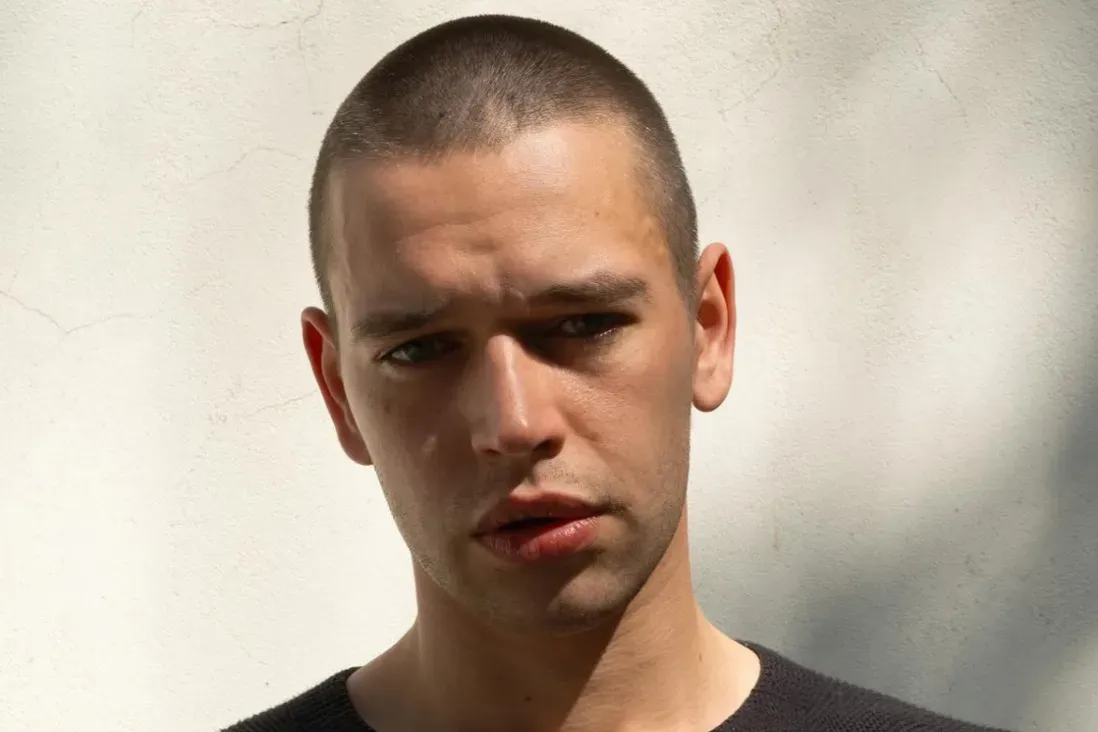
Starfleet Academy names newcomer Ruaridh Aldington a Season 2 series regular
At San Diego Comic-Con's Star Trek 60th anniversary panel, Aldington joins as Keats, a high-stakes mystery for the cadets.
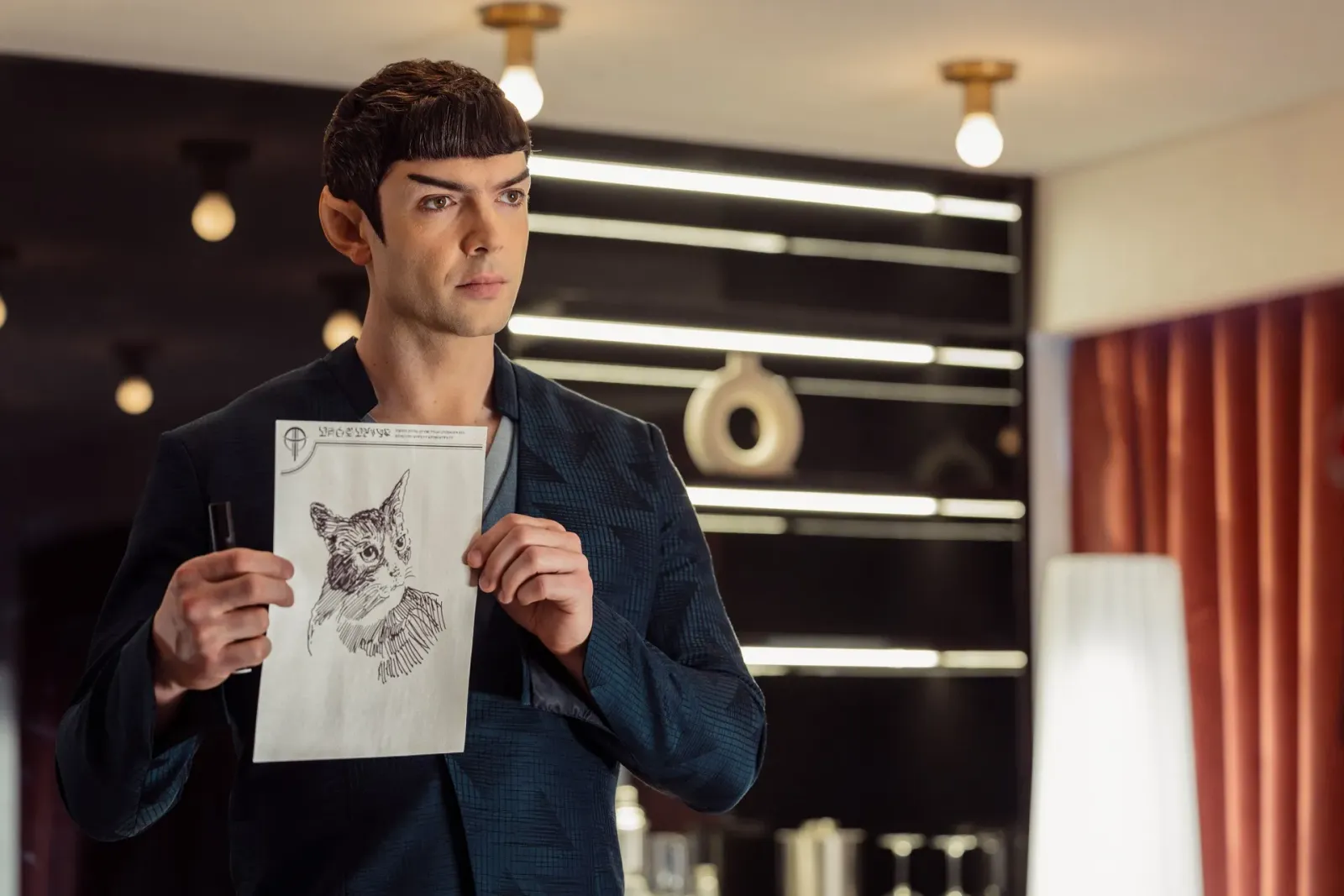
Akiva Goldsman drops Strange New Worlds Season 4 timing: weekly until Sept. 24
Star Trek’s co-showrunner uses Comic-Con to lock in the release calendar for Paramount+ Season 4.
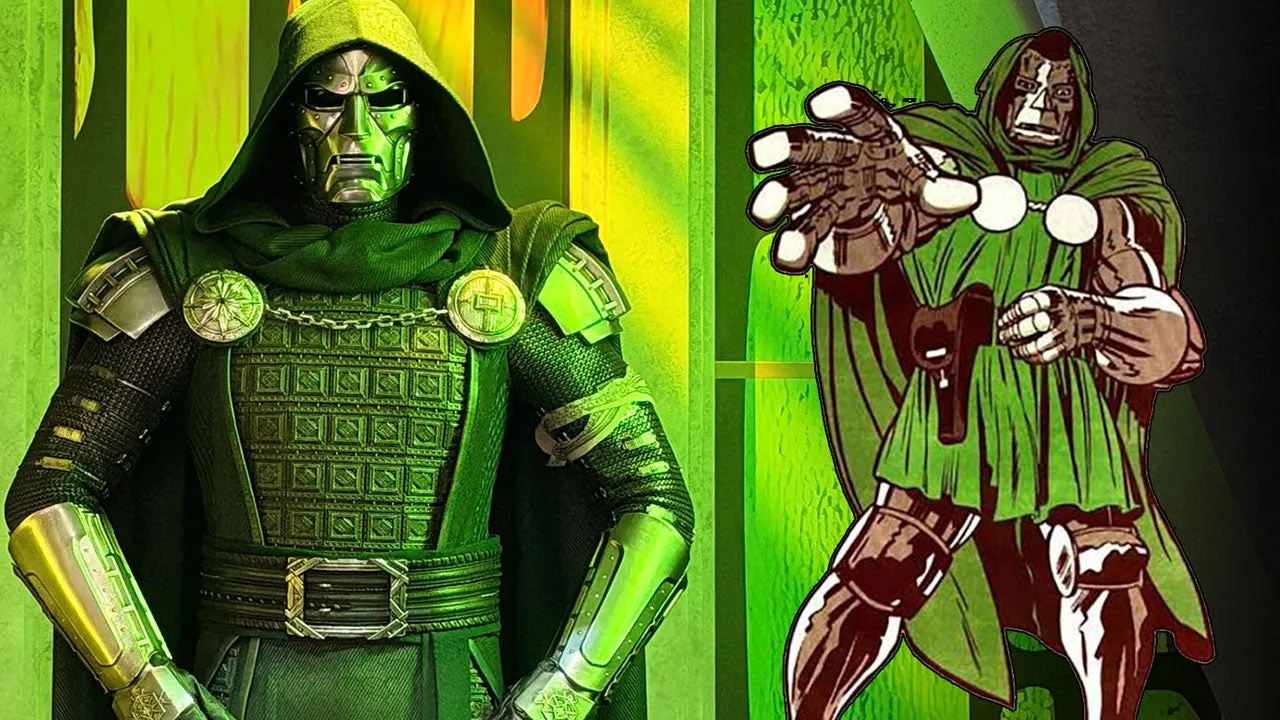
Marvel’s Avengers: Doomsday Doom armor stays faithful to comics, but adds samurai-style upgrades
A fresh look at Robert Downey Jr. as Victor von Doom at Comic-Con shows what Marvel kept, changed, and why it matters.