

Bonobo taps Arooj Aftab and Nilüfer Yanya for new album Distance in Static
Simon Green launches a North American tour and a star-studded lineup, signaling how cross-genre prestige gets marketed now.
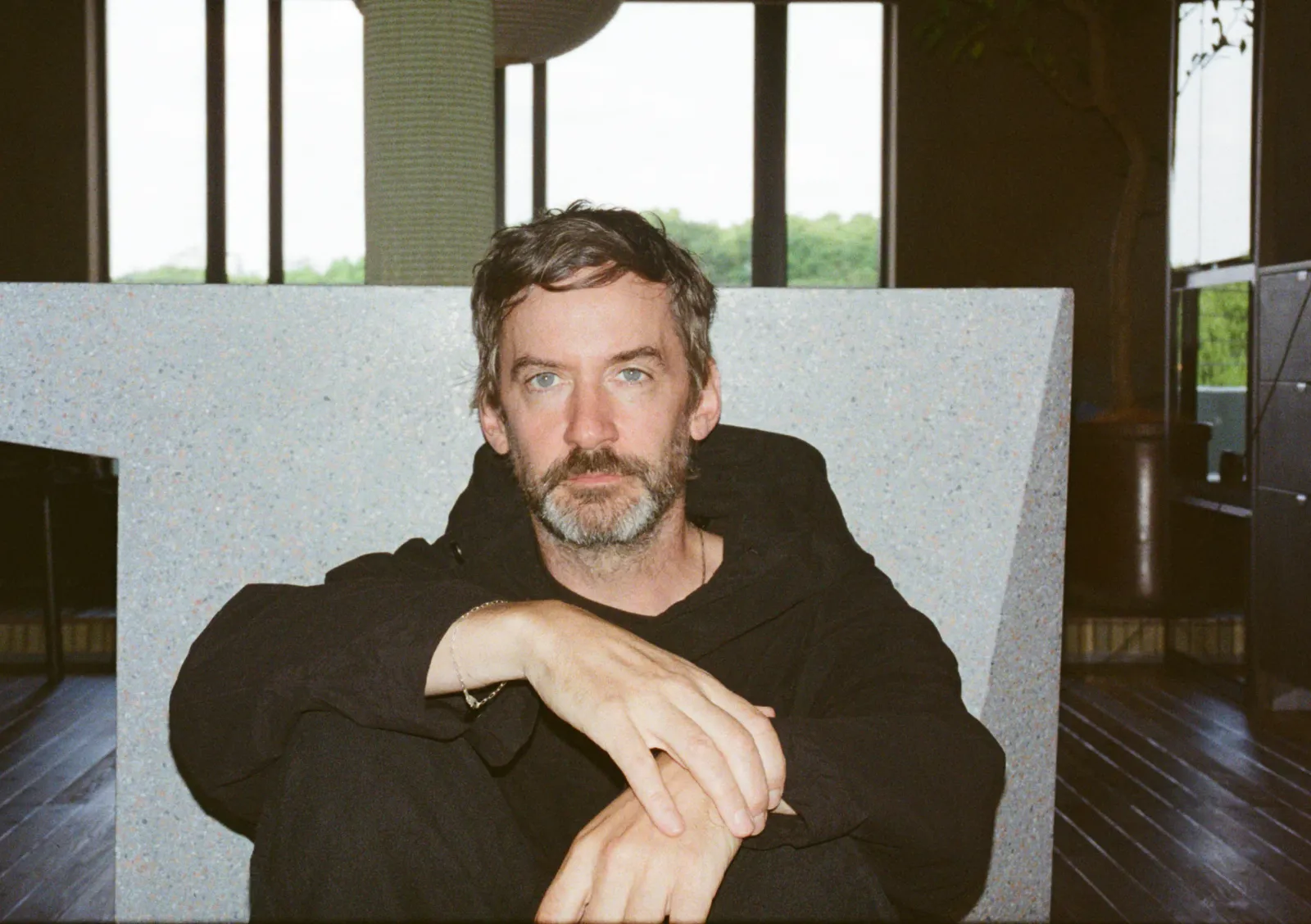
Simon Green, the artist behind Bonobo, enlisted Arooj Aftab and Nilüfer Yanya for his new album Distance in Static. He also announced a North American tour to support the LP, turning the release into a live-and-media moment for decision-makers to watch.
Simon Green has enlisted Arooj Aftab and Nilüfer Yanya for his new album Distance in Static. He is also using the release as the headline act for a North American tour, effectively pairing a prestige recording moment with a high-visibility live rollout.
That pairing matters because it is how modern music strategies reduce uncertainty. A new album is a bet on attention. A tour is the conversion engine. When an established electronic artist like Bonobo brings in two globally recognized vocal and songwriting voices, the upside is not just “more fans.” It is broader category reach: multiple audiences discover the album through the collaborators they already follow.
For executives, the move is a case study in what happens when cross-genre legitimacy becomes part of go-to-market. Arooj Aftab is known for a distinctive vocal and composition style that tends to travel well across music listeners, while Nilüfer Yanya has operated at the intersection of alt-pop sensibility and indie credibility. Put those names next to Bonobo, and you get an album narrative that can sit comfortably in more than one corner of the market, which is useful in an ecosystem where attention is segmented and algorithms reward clear signals.
There is also a practical reason collaborations like this can change outcomes: they multiply distribution pathways. Instead of relying only on the Bonobo brand to pull listeners, the campaign benefits from overlapping networks. Fans of Aftab and Yanya are more likely to take the first listen if the collaborators feel relevant, not random. That is how a release can avoid the classic problem of “great album, limited awareness.” The awareness comes first, then the replay value follows.
Now add the North American tour announcement. Tours are expensive, and they are also where music companies earn back credibility with promoters, venues, and partners who care about audience reliability. Even without specific dates in the source, the key point stands: Simon Green has announced a North American tour behind Distance in Static. That signals confidence that the new material has enough lift to justify touring logistics, marketing spend, and time. From an operator perspective, that is a major operational decision, because a tour forces a timeline, and timelines compress planning, staffing, and creative finalization.
There is a second-order effect too. When the album is positioned with named collaborators and a live run, it tends to raise the “asset quality” of the campaign for everyone downstream. Radio programmers, music editors, playlist curators, ticketing partners, and even merch teams get cleaner talking points: not only “Bonobo released a new LP,” but “Bonobo released a new LP with Arooj Aftab and Nilüfer Yanya, and he is going on tour in North America.” That kind of clarity helps partners justify attention and budgets.
It also changes how the industry frames the project internally. In music, release cycles often feel like storms of competing announcements. Collaborations and tour support give the album a sharper identity, which can improve how teams coordinate across marketing, PR, and bookings. For label executives and brand partners, it becomes easier to allocate resources because the story is already structured. The story is: cross-genre credentials plus a live expansion.
The strategic stake for peers is straightforward. If you lead an artist roster, a music platform, a venue group, or even an agency that manages launches, you have to decide how much to lean on “artist alone” versus “collaborator powered” marketing. Bonobo’s approach suggests that collaborators are not just creative accessories. They are distribution levers, turning the album into a broader cultural event. And by backing it with a North American tour, Simon Green is signaling that the project is built to travel from streaming to seats, not just to clicks.
This story's Key Insights and Take-aways are locked.
Create a free account to unlock Executive Actions for one credit.
Register to UnlockAlways free for Executives Club members. Join the Club
More in Entertainment

Christopher Nolan’s “The Odyssey” posts his biggest Tuesday haul, surpassing “The Dark Knight’s” record
The film’s Tuesday breakout reframes Nolan’s box-office ceiling and forces competitors to rethink timing, budgets, and release strategy.

Kacey Musgraves cancels Aug. 20, 29, Sept. 2 Middle of Nowhere shows
Ticketmaster emails are telling fans refunds are coming, while the tour still starts Aug. 21 in Chicago.

Billie Joe Armstrong launches Epiphone Les Paul Junior and Marshall 1959BJA signature gear
Two limited releases turn decades of Green Day’s tone into branded hardware, including Marshall’s first artist amp in 14 years.