

Bosch replacement rewrites history via Westies star Stanley Morgan’s gangster inspirations
Stanley Morgan explains how Jimmy Coonan and Mickey Featherstone shaped MGM+’s next crime-drama course-correction.
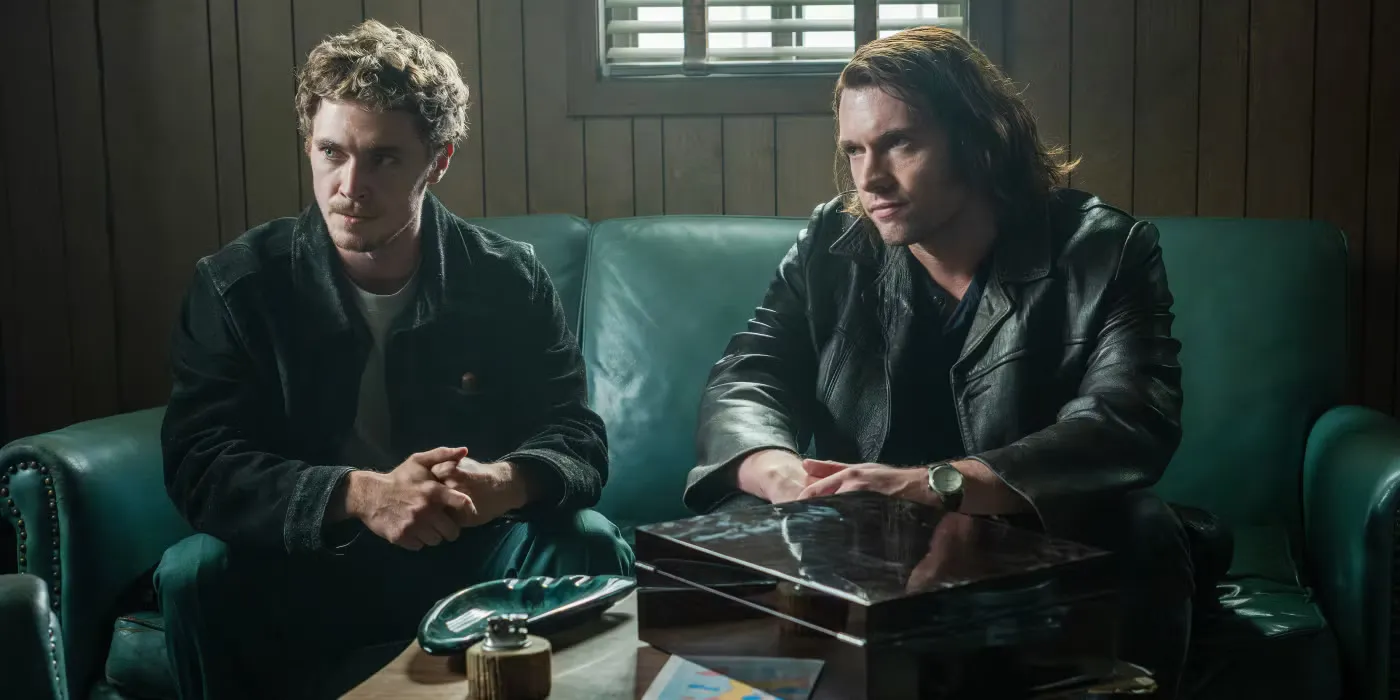
MGM+’s The Westies drew on real gangster inspiration, and Westies star Stanley Morgan says notorious figures Jimmy Coonan and Mickey Featherstone helped shape the MGM+ crime drama. The consequence for decision-makers is a clear lesson: when dramatizing real wrongdoing, the “thin line” between accuracy and invention directly affects how audiences judge credibility.
If you are building a fictional series around real people and real illegal acts, you do not get to be sloppy. MGM+’s The Westies is operating in that uncomfortable middle ground: too faithful to history, and characters feel boxed in. Too free, and it stops being a dramatization and starts being something else entirely.
That is the tightrope Westies star Stanley Morgan is talking about. In a Collider exclusive, Morgan lays out how the series found inspiration in notorious gangsters Jimmy Coonan and Mickey Featherstone. The point is not just trivia about who inspired whom. It is an explanation of how MGM+ tries to make viewers feel like the story belongs to the real world, even when it still has to be dramatically shaped.
Morgan’s framing matters because the success of crime storytelling is increasingly measured less by “who committed the crime” and more by whether the show earns your trust. With streaming, credibility becomes a competitive advantage. Audiences can pause, rewind, and cross-check details. They can also compare your version of events to what they already know. So the question becomes: how do you deliver momentum without turning your characters into statues?
This is where the “thin line” becomes a strategy problem, not just an artistic one. If writers lock everything to the historical record, the story can end up sounding like a timeline that someone stapled to a script. It may be accurate, but it can also feel predetermined, especially for characters who should be allowed to evolve. On the other hand, a show that wanders too far from the historical record risks looking like it does not respect the subject matter. The audience may still watch, but the show’s authority weakens. When authority weakens, every future episode has to “earn” attention from scratch.
Morgan’s answer is essentially: anchor the drama with recognizable inspiration, then build the narrative around what television can do. The series uses Jimmy Coonan and Mickey Featherstone as a foundation, with the story positioned as a crime drama that is grounded enough in real infamy to create resonance. That approach is especially relevant for a series like The Westies, because its premise is not happening in a vacuum. Viewers are coming in with cultural context, and some will have strong opinions about what “counts” as faithful.
There is also a broader industry point here. Streaming platforms are not just buying content. They are buying brand perception. MGM+ is taking a swing at a space where audiences have high expectations for realism, especially in crime dramas where real-world harm looms behind the entertainment. That creates a reputational incentive to get the balance right. Morgan’s comments underline why that balance exists at all: strict accuracy can trap storytelling, and excessive freedom can break the pact with viewers.
And that pact has second-order implications for executives and boards thinking about risk and returns. Even without discussing legal strategy in the source, the underlying business logic is familiar. Content that leans heavily on real people and events can trigger heightened scrutiny from audiences, press, and stakeholders who care about how wrongdoing is framed. The strategic move is to keep the drama compelling while preserving enough fidelity to the historical spine that the show does not feel like it is rewriting reality for convenience.
For peers planning similar projects, the takeaway is simple but not easy: inspiration is not just creative fuel, it is a governance tool. Morgan’s explanation shows how a show can reference notorious real-world figures like Jimmy Coonan and Mickey Featherstone as an anchor while still giving writers room to craft. If you are approving budgets, setting editorial priorities, or evaluating audience fit, the credibility question is not peripheral. It can determine whether viewers feel the series respects history or treats it as a costume.
This story's Key Insights and Take-aways are locked.
Create a free account to unlock Executive Actions for one credit.
Register to UnlockAlways free for Executives Club members. Join the Club
More in Entertainment

12TB Steam 'teraleak' goes beyond Valve: GTA 3, Mafia 2 prototypes exposed
A 12-terabyte dump of Steam data reveals prototypes and builds of third-party classics like GTA 3 and Mafia 2, plus unreleased Valve content, rewriting game history.

LinkedIn's romance problem: 1 in 4 workers say dating on it is fair game
A new survey shows a quarter of U.S. employees treat the professional network as fair game for romance, even as LinkedIn bans it and removes hundreds of thousands of offending posts.

Enhypen's first No. 1 album breaks K-pop's Billboard 200 streak
The K-pop group's 98,000-unit debut tops the chart while Dolly Parton's catalog reentry shows how death reshapes streaming.