

Bowen Yang’s delayed SNL exit shows the real engine behind cast turnover survival
Yang says he was ready to leave after Season 50, and SNL’s mentors plus reinvention kept the show standing.

Bowen Yang, a cast member on Saturday Night Live, recently revealed details about his delayed departure after seven seasons. For decision-makers watching long-running platforms, his timing underscores how SNL absorbs turnover without breaking the brand.
Bowen Yang’s delayed exit from Saturday Night Live could have looked like yet another routine cast shakeup. But the most interesting part is not that he left. It’s what his circumstances reveal about how SNL survives for more than five decades while swapping out major faces.
After seven seasons, Yang said he had been prepared to leave following Season 50, even though his departure came later. In his view, SNL was already “in a great place” without him. That detail matters because it reframes the usual story executives tell themselves about talent churn: it is rarely the single departure that determines longevity. It’s the system around the departure.
SNL is built like a high-output creative factory. In these environments, cast turnover is not a phase. It is a recurring input. Shows like this typically rely on two overlapping capabilities: internal development of new voices and an ongoing willingness to repackage the product so audiences do not feel the show is stuck in the past. Yang’s framing points to both. If he genuinely believed the show was “in a great place” without him, that implies SNL had already moved into a post-departure operating mode, rather than treating his presence as the main stabilizer.
And that’s the institutional survival playbook executives should notice. Mentorship inside the writing room and on-camera ensemble functions like continuity insurance. It helps a show protect its rhythm and standards when people rotate out. Even when the outgoing performer is important, the audience rarely tunes in solely for one personality. They tune in for a recognizable comedic ecosystem: the format, the cadence of characters, the ability to land timely material, and the momentum of a living ensemble.
Yang’s delayed exit also highlights the difference between “prepared to leave” and “actually gone.” In long-running production companies, timing decisions often reflect the realities of schedules, contract cycles, and what the show can safely transition during specific seasons. That makes cast changes less like a clean on and off switch and more like a rolling upgrade. The show keeps running while new performers and writing staff ramp up, and the outgoing cast member exits into the background of the production machine rather than pulling the emergency brake.
In other words, SNL’s survival is not magic. It is operational. It’s the ability to keep producing weekly while onboarding new talent, letting performers grow into responsibilities, and letting the show’s identity evolve without losing its core. When Yang says the institution was in a great place without him, it reads like the product had enough internal redundancy that his personal departure did not become a structural risk.
Now zoom out from comedy to the broader media and platform world, because this is where the second-order lessons get useful. Long-running brands in entertainment, media, and even consumer tech face the same fear: the talent that makes the product feel special might eventually leave. Boards and executives then have to decide what to optimize for. Do you build around individuals, or do you build around repeatable mechanisms?
Yang’s story suggests SNL optimized for mechanisms. Mentorship and constant reinvention work as a double firewall. Mentorship lowers the risk that new cast and writers cannot keep up with the show’s pace or standards. Reinvention lowers the risk that audiences feel like the show is repeating itself. Together, they help an institution outlive the exact lineup that originally made it famous. That is what “surviving cast turnover” really means in practice.
For peers managing similar platforms, the stakes are obvious: when key talent departs, you can end up with a gap between the show you promised and the show you can currently deliver. Yang’s timeline indicates SNL had already closed that gap before his exit fully played out. That is the kind of stability that lets a company protect its audience trust while continuing to take creative risks.
Finally, there is a subtle but important strategic implication for executives. The narrative around exits often focuses on the departing person. But SNL’s record suggests the more actionable question is what the institution did during the transition window. Yang’s comment that SNL was already in a great place after Season 50 hints that the show had already built confidence into its next phase, so the departure, when it came, was not an existential shock. It was just another chapter in a system that keeps working.
This story's Key Insights and Take-aways are locked.
Create a free account to unlock Executive Actions for one credit.
Register to UnlockAlways free for Executives Club members. Join the Club
More in Entertainment

Starfleet Academy names newcomer Ruaridh Aldington a Season 2 series regular
At San Diego Comic-Con's Star Trek 60th anniversary panel, Aldington joins as Keats, a high-stakes mystery for the cadets.
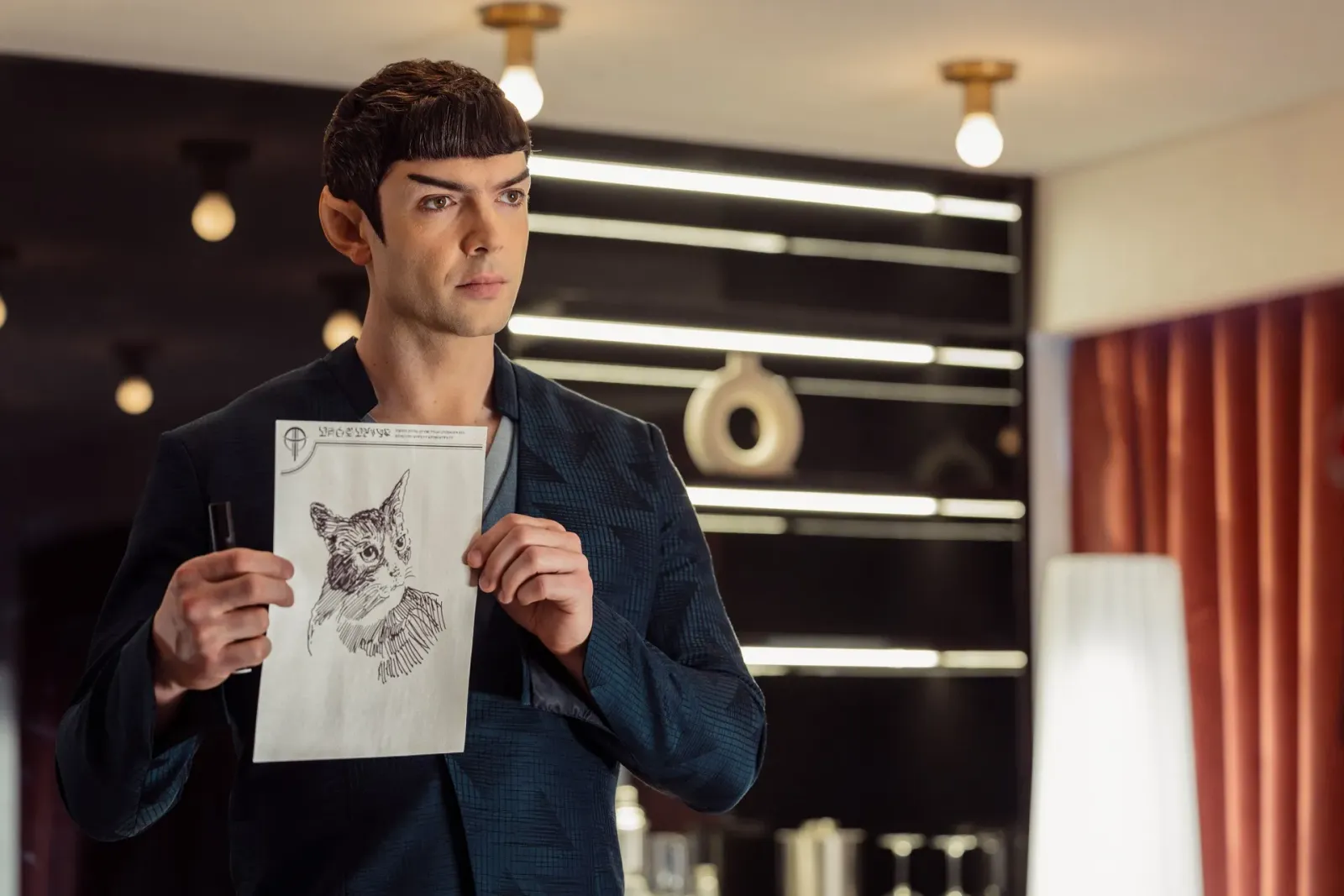
Akiva Goldsman drops Strange New Worlds Season 4 timing: weekly until Sept. 24
Star Trek’s co-showrunner uses Comic-Con to lock in the release calendar for Paramount+ Season 4.

Marvel’s Avengers: Doomsday Doom armor stays faithful to comics, but adds samurai-style upgrades
A fresh look at Robert Downey Jr. as Victor von Doom at Comic-Con shows what Marvel kept, changed, and why it matters.