
Brennan Wedl turns sobriety into Americana power, and it hurt
The 29-year-old singer-songwriter says self-analysis freed her on her new Waxahatchee-produced album, after it hurt.
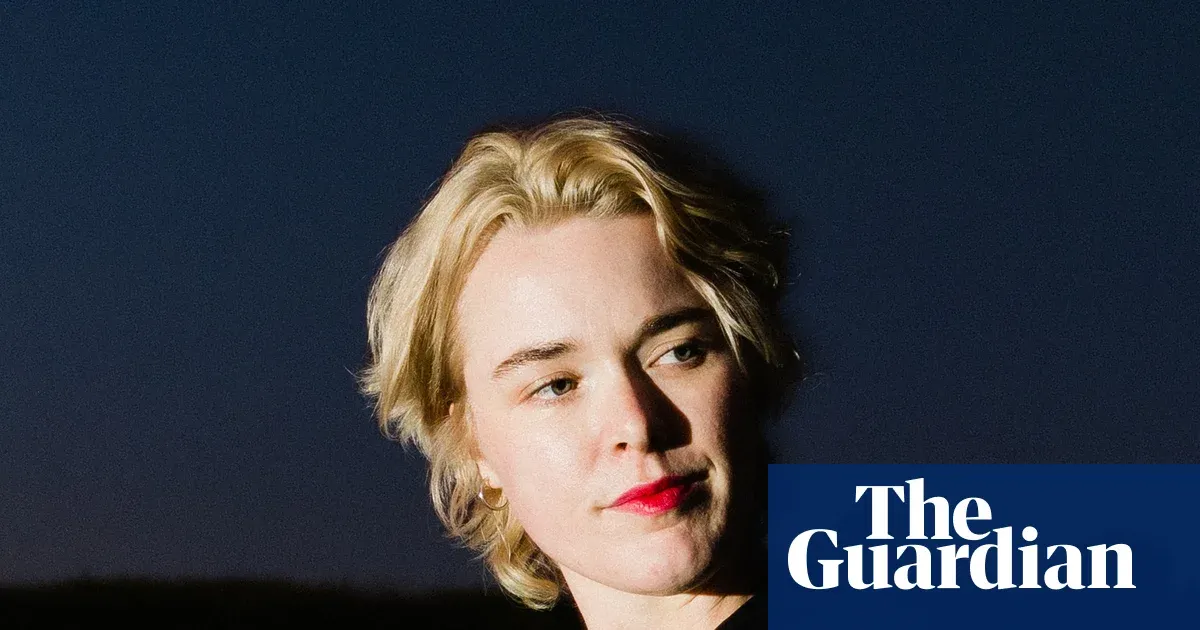
Brennan Wedl, a 29-year-old US singer-songwriter, describes how sobriety and self-analysis shaped her new, Waxahatchee-produced Americana record. For decision-makers watching culture and consumer attention, the story shows how personal transformation can translate into durable, credit-check-worthy songwriting.
“My life’s work was being delightful. That really hurt me.” Brennan Wedl says that with the calm confidence of someone who has survived the thing that most people just aestheticize. The quote is part of how the US singer-songwriter frames the engine behind her classic new album, produced by Waxahatchee. Wedl positions sobriety and self-analysis as the forces that made her songwriting more ironclad, more honest, and, yes, more painful. She’s not selling a vibe. She’s explaining a process.
If you’re wondering whether Wedl’s album might be stitched together from covers of famous, earwormy, Lucinda Williams-style classics, the answer from the source is a clear “No.” Wedl’s record is made of originals, written by a 29-year-old songwriter whose Americana feels radiant, hooky, and tough all at once. She compares her own ambition to Lucinda Williams’ “very earnest way of looking at daily life,” specifically citing that she hoped to achieve it on this record. She even describes the emotional portrait she aims for as a kind of “vision of Courtney Love in cowboy boots,” an image that captures the tension between glamour and grit that Americana thrives on.
Now here is why this matters beyond music-nerds comparing influences like they are doing brand due diligence. A lot of creative industries run on incentives that quietly punish truth. When artists are trained, rewarded, or even just expected to be “delightful,” they learn to smooth out the rough edges that make the work land. Wedl’s framing suggests sobriety and self-analysis didn’t just give her new lyrical themes. They changed her permission structure. Instead of projecting too much on reality, as she says she’s working on, she turns that impulse toward accuracy. That shift is what makes the songs feel “ironclad,” the kind of writing you want to audit by checking credits, because it doesn’t read like borrowing.
Wedl’s origin story also gives context for why her songwriting would land with that particular kind of force. She describes roots that stretch from the Catholic church to riot grrrl. Those are not identical ecosystems. One tends to emphasize ritual, guilt, and self-scrutiny; the other is often about rage, refusal, and loud honesty. Americana, famously, has always been the marketplace where contradictions can coexist without being resolved. It can hold tenderness and aggression in the same breath. Wedl’s blend is basically a business strategy for emotional trust: if you can credibly combine church-basement introspection and punk urgency, listeners stop asking whether you’re “real” and start listening for what’s next.
The album’s emotional stakes get particularly specific when she calls out what she says is her favorite new song: “Just Another Daddy Who Did Me Wrong.” Wedl describes it as “absurdly immediate” and “bittersweet,” and she uses it to articulate the mental mechanics behind her appeal and her recovery. She says the track is “a very harsh look at reality,” but also “about how our minds can create so much fantasy around reality.” That is a striking line for anyone who thinks branding is just aesthetics. It’s not that the fantasy is imaginary. It’s that the mind can overbuild the story until it stops matching the facts. Wedl’s comment about working on not projecting too much on reality is essentially a self-audit, applied both personally and artistically.
From a culture-and-attention perspective, this is where the second-order implications show up. In mainstream music, the risk for an artist can be twofold. First, “sobriety” as a public label can get treated like content, flattening the nuance into a headline. Second, self-analysis can be treated like a therapy metaphor, with audiences consuming it without being changed by it. Wedl’s approach tries to dodge both traps by anchoring the transformation in craft. She calls from her Nashville home, surrounded by vintage magazines and tchotchkes, and her tone is warm and “dudely,” answering almost every question with an exuberant “toootally!” That detail matters because it makes the self-examination feel integrated into her personality, not stapled on for credibility.
If you’re on the board of a media company, a label, or a creator platform, the takeaway is not that everyone should become an artist. It’s that durable audience trust often comes from specificity. Wedl’s album is defined by original songwriting that is so solid she had listeners and critics double-check that there weren’t covers. That is the kind of quality signal that drives repeat listening. It also suggests that sobriety and self-analysis, in her case, didn’t just change her life. They improved her ability to write in a way that resists easy imitation.
Strategically, peers who help shape artist ecosystems can interpret this as a reminder: the “delightful” default can be a cage. When the cage opens, work gets sharper. Wedl’s story shows what happens when an artist stops performing ease and starts practicing accuracy, with influences that range from Lucinda Williams to Sheryl Crow, and from riot grrrl to church basement punk shows. The risk is real because the process “really hurt” her. The gain is also real: songs that are immediately catchy but refuse to be shallow, built for people who listen closely enough to check the credits.
This story's Key Insights and Take-aways are locked.
Create a free account to unlock Executive Actions for one credit.
Register to UnlockAlways free for Executives Club members. Join the Club
More in Entertainment

Ali G's 'stooge' says he was in on joke, outplayed Sacha Baron Cohen
A 54-year-old aspiring actor says he recognized Sacha Baron Cohen mid-shoot, kept his MAGA act up, and let the film-makers think they had fooled him.

Entertainer Russell Brand denies 7 sex charges amid accuser's 'couldn't breathe' claim
The alleged victim's account sharpens the reputational and legal stakes for Brand, his platforms, and any business tied to a public figure under criminal scrutiny.

Russell Brand's accuser 'bewildered and confused' as he denies 7 sex charges
The criminal case against the comedian is a live test of how media companies manage talent risk when serious allegations go public.